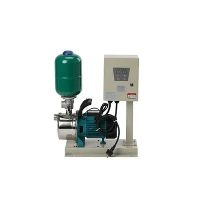
Hey there! I'm a supplier of Water Pump Inverters, and today I'm gonna chat about what types of water pumps can use an inverter. Inverters are super handy devices that can control the speed of a motor, which means they can adjust the flow and pressure of a water pump. This not only helps save energy but also extends the lifespan of the pump. So, let's dive in and explore the different types of water pumps that can benefit from an inverter.
Centrifugal Pumps
Centrifugal pumps are one of the most common types of water pumps out there. They work by using an impeller to spin and create a centrifugal force that moves water through the pump. These pumps are used in a wide range of applications, from residential water supply to industrial processes.
The great thing about centrifugal pumps is that they're a perfect match for inverters. With an inverter, you can easily adjust the speed of the impeller, which in turn controls the flow rate and pressure of the water. For example, if you're using a centrifugal pump in a home water supply system, you can use an inverter to reduce the pump's speed during periods of low water demand, like at night. This can save a significant amount of energy. Check out our 380V Three-Phase Pump Variable Frequency Drive for a high - performance solution for your centrifugal pumps.
Submersible Pumps
Submersible pumps are designed to be submerged in water. They're commonly used in wells, boreholes, and sewage systems. These pumps are very efficient and can handle high - pressure applications.
Inverters can be a game - changer for submersible pumps. By controlling the pump's speed, you can prevent over - pumping, which can lead to premature wear and tear on the pump. Also, in a well system, an inverter can adjust the pump's output based on the water level in the well. If the water level drops, the inverter can slow down the pump to avoid running it dry. Our 220V Water Pump Speed Drive Inverter is a great option for submersible pumps used in smaller residential or light - commercial applications.
Booster Pumps
Booster pumps are used to increase the pressure of water in a system. They're often installed in buildings where the water pressure from the main supply is too low. For example, in multi - story buildings, booster pumps can ensure that there's adequate water pressure on the upper floors.
When it comes to booster pumps, inverters offer precise control over the pressure. You can set the inverter to maintain a constant pressure, regardless of the flow rate. This is especially useful in commercial buildings where different parts of the building may have varying water demands at different times. The Variable Frequency Pump Converter for Home Use can also be used in some smaller booster pump applications in homes.
Diaphragm Pumps
Diaphragm pumps use a flexible diaphragm to move water. They're known for their ability to handle viscous fluids and can be used in applications like chemical dosing and food processing.
Inverters can be used with diaphragm pumps to control the pumping rate. By adjusting the speed of the diaphragm movement, you can accurately control the amount of fluid being pumped. This is crucial in applications where precise dosing is required. For example, in a chemical processing plant, an inverter - controlled diaphragm pump can ensure that the right amount of chemicals is added to a process at the right time.


Gear Pumps
Gear pumps work by using two gears that mesh together to move water. They're often used in applications where a constant flow rate is required, such as in lubrication systems and hydraulic systems.
An inverter can be used to control the speed of the gears in a gear pump. This allows for fine - tuning of the flow rate and can also help in reducing energy consumption. If the demand for fluid in a lubrication system decreases, the inverter can slow down the gear pump to save energy.
Choosing the Right Inverter for Your Water Pump
When choosing an inverter for your water pump, there are a few things to consider. First, you need to know the power rating of your pump. Make sure the inverter you choose can handle the power requirements of the pump. Also, consider the type of control you need. Some inverters offer simple on - off control, while others provide more advanced features like pressure control and speed adjustment.
Another important factor is the environment in which the pump operates. If the pump is in a harsh environment, like a sewage treatment plant, you'll need an inverter that's designed to withstand moisture, dust, and other contaminants.
Benefits of Using Inverters with Water Pumps
There are several benefits to using inverters with water pumps. Energy savings are one of the biggest advantages. By adjusting the pump's speed based on the actual demand, you can significantly reduce energy consumption. This not only saves you money on your electricity bills but also has a positive impact on the environment.
In addition to energy savings, inverters can also extend the lifespan of your water pump. By preventing over - pumping and reducing stress on the pump components, you can avoid costly repairs and replacements. Inverters also provide better control over the pump's performance, which means you can ensure a more consistent water supply and pressure.
Conclusion
So, there you have it! A wide variety of water pumps, including centrifugal pumps, submersible pumps, booster pumps, diaphragm pumps, and gear pumps, can use an inverter. Whether you're a homeowner looking to save on your water bills or an industrial operator aiming for more efficient water management, an inverter can be a great addition to your water pump system.
If you're interested in learning more about our Water Pump Inverters or have any questions about which inverter is right for your pump, don't hesitate to get in touch. We're here to help you find the perfect solution for your needs. Let's start a conversation about how we can make your water pumping system more efficient and cost - effective.
References
- "Pump Handbook" by Igor J. Karassik et al.
- "Centrifugal Pumps: Design and Application" by Heinz P. Bloch and Fred K. Geitner.
- Technical manuals from various water pump and inverter manufacturers.