Hey there! As a pump inverter supplier, I often get asked about the efficiency of pump inverters. So, I thought I'd take a moment to break it down for you.
First off, let's talk about what a pump inverter is. In simple terms, a pump inverter is a device that controls the speed of a pump motor. By adjusting the frequency of the electrical power supplied to the motor, the inverter can vary the motor's speed, which in turn controls the flow rate and pressure of the pump.
Now, when we talk about the efficiency of a pump inverter, we're essentially talking about how well it can convert electrical energy into mechanical energy to drive the pump. A more efficient inverter will use less electrical power to achieve the same pumping output, which means lower energy costs and reduced environmental impact.
One of the key factors that affects the efficiency of a pump inverter is its design and technology. Modern inverter designs use advanced power electronics and control algorithms to optimize the conversion of electrical energy. For example, some inverters feature pulse - width modulation (PWM) technology, which allows for more precise control of the motor's speed and torque. This results in smoother operation and reduced energy losses.
Another important aspect is the load profile of the pump. In many applications, pumps don't need to run at full speed all the time. For instance, in a water supply system, the demand for water may vary throughout the day. A pump inverter can adjust the pump speed according to the actual demand. When the demand is low, the inverter reduces the motor speed, which significantly reduces energy consumption. This is known as variable - speed operation, and it's one of the main reasons why pump inverters are so efficient.
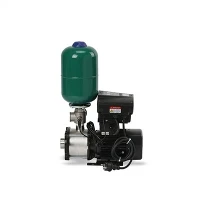
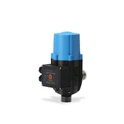
Let's take a closer look at some of the products we offer as a supplier. Our Wall-mounted Water Pump Inverter is designed with efficiency in mind. It's compact and can be easily installed on a wall, saving space in your setup. The advanced control algorithms in this inverter ensure that it operates at the optimal efficiency point for different load conditions. Whether you're using it for a small domestic water supply or a light - commercial application, this inverter can help you save on energy costs.
Our New LCD Three - phase Inverter is another great option. The LCD display makes it easy to monitor and adjust the inverter settings. It's suitable for three - phase pump motors, which are commonly used in larger industrial and commercial applications. The inverter's high - efficiency design means that it can handle heavy loads while minimizing energy waste.
If you're dealing with a 110V power supply, our 110V Water Pump Inverter Controller is the way to go. It provides precise control over the pump speed for 110V water pumps. This is especially useful in areas where the electrical supply is 110V, such as in some residential buildings in certain countries. The controller's efficiency helps to keep the running costs down for these types of pumps.
But how do you measure the efficiency of a pump inverter? Well, one common way is to look at the power factor. The power factor is a measure of how effectively the inverter uses the electrical power supplied to it. A higher power factor (closer to 1) indicates better efficiency. Inverters with a high power factor waste less energy in the form of heat and reactive power.
Another way to evaluate efficiency is to compare the actual energy consumption of a pump with and without an inverter. In many cases, the energy savings can be quite significant. For example, in a study of a water pumping system, it was found that using a pump inverter reduced the energy consumption by up to 30 - 50% compared to a fixed - speed pump.
There are also some factors that can affect the efficiency of a pump inverter in real - world applications. One such factor is the quality of the electrical supply. A stable and clean power supply is essential for the inverter to operate at its best. If the power supply has a lot of voltage fluctuations or harmonics, it can cause the inverter to work less efficiently and may even damage the inverter over time.
The installation and maintenance of the inverter also play a role. Proper installation ensures that the inverter is properly grounded and that the wiring is correct. Regular maintenance, such as cleaning the inverter and checking the components, can help to keep it running efficiently.
In addition to energy savings, using an efficient pump inverter can also extend the lifespan of the pump motor. By reducing the stress on the motor through variable - speed operation, the motor is less likely to experience wear and tear. This means fewer breakdowns and lower maintenance costs in the long run.
So, if you're in the market for a pump inverter, it's important to consider the efficiency of the product. Look for inverters with advanced technology, high power factors, and good reviews from other users. And remember, as a pump inverter supplier, we're here to help you choose the right product for your specific needs.


Whether you're a homeowner looking to upgrade your water pump system, a small business owner in need of a more efficient pumping solution, or an industrial operator managing large - scale pumping operations, we've got the products and expertise to assist you.
If you're interested in learning more about our pump inverters or have any questions about their efficiency and suitability for your application, don't hesitate to get in touch. We're more than happy to have a discussion with you and guide you through the purchasing process.
References:
- "Pump Handbook" by Igor J. Karassik et al.
- Industry reports on pump inverter technology and efficiency studies