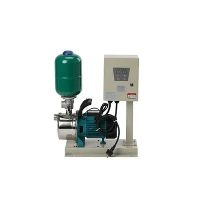
When it comes to ensuring a reliable water supply for various applications, choosing the right Variable Frequency Drive (VFD) water pump is crucial. As a VFD water pump supplier, I understand the importance of making an informed decision. In this blog post, I'll guide you through the key factors to consider when selecting a VFD water pump, helping you find the perfect fit for your needs.
Understanding VFD Water Pumps
Before delving into the selection process, it's essential to understand what a VFD water pump is and how it works. A VFD water pump is equipped with a variable frequency drive, which allows the pump to adjust its speed according to the demand for water. This technology offers several advantages, including energy efficiency, precise control, and reduced wear and tear on the pump.
Factors to Consider When Choosing a VFD Water Pump
Flow Rate and Pressure Requirements
The first step in choosing a VFD water pump is to determine your flow rate and pressure requirements. The flow rate is the volume of water that the pump needs to deliver per unit of time, typically measured in gallons per minute (GPM) or liters per second (L/s). The pressure requirement is the force needed to move the water through the system, measured in pounds per square inch (PSI) or bars.


To calculate your flow rate and pressure requirements, consider the following factors:
- The number of fixtures or appliances that will be using water simultaneously.
- The distance the water needs to travel from the pump to the point of use.
- The elevation difference between the pump and the point of use.
- Any additional pressure losses due to friction in the pipes or fittings.
Once you have determined your flow rate and pressure requirements, you can select a VFD water pump that can meet or exceed these specifications.
Pump Type
There are several types of VFD water pumps available, each designed for specific applications. The most common types of VFD water pumps include:
- Centrifugal Pumps: These pumps are the most widely used type of VFD water pumps. They work by using a rotating impeller to create centrifugal force, which moves the water through the pump. Centrifugal pumps are suitable for a wide range of applications, including domestic water supply, irrigation, and industrial processes.
- Submersible Pumps: These pumps are designed to be submerged in water and are commonly used for well water applications. Submersible pumps are efficient and reliable, but they require a proper installation to ensure optimal performance.
- Jet Pumps: These pumps are used to draw water from a well or other water source. Jet pumps work by using a jet of water to create a vacuum, which draws the water into the pump. Jet pumps are suitable for shallow wells and low-flow applications.
When choosing a pump type, consider the specific requirements of your application, such as the depth of the water source, the flow rate and pressure requirements, and the type of water being pumped.
Power and Energy Efficiency
Another important factor to consider when choosing a VFD water pump is its power and energy efficiency. The power of the pump is measured in horsepower (HP) or kilowatts (kW), and it determines the pump's ability to deliver water at the required flow rate and pressure.
A VFD water pump offers significant energy savings compared to a traditional fixed-speed pump. By adjusting the pump's speed according to the demand for water, a VFD water pump can reduce energy consumption and lower operating costs. When selecting a VFD water pump, look for models that are Energy Star certified or have a high energy efficiency rating.
Control and Monitoring Features
VFD water pumps offer advanced control and monitoring features that allow you to optimize the pump's performance and ensure reliable operation. Some of the key control and monitoring features to look for include:
- Variable Speed Control: This feature allows you to adjust the pump's speed according to the demand for water, reducing energy consumption and extending the pump's lifespan.
- Pressure Control: This feature maintains a constant pressure in the water system, ensuring a consistent flow of water to the point of use.
- Flow Control: This feature allows you to adjust the flow rate of the pump, ensuring that the water system is operating at the optimal level.
- Monitoring and Alarm Systems: These systems allow you to monitor the pump's performance and receive alerts if there are any issues or malfunctions.
When choosing a VFD water pump, look for models that offer the control and monitoring features that are most important for your application.
Durability and Reliability
A VFD water pump is a significant investment, so it's important to choose a model that is durable and reliable. Look for pumps that are made from high-quality materials and have a proven track record of performance. Consider the following factors when evaluating the durability and reliability of a VFD water pump:
- Pump Construction: Look for pumps that are made from corrosion-resistant materials, such as stainless steel or cast iron.
- Motor Quality: The motor is the heart of the pump, so it's important to choose a pump with a high-quality motor. Look for motors that are designed for continuous operation and have a long lifespan.
- Warranty: A good warranty is a sign of a reliable product. Look for pumps that come with a warranty of at least one year.
Cost
The cost of a VFD water pump is an important consideration, but it should not be the only factor. When comparing the cost of different pumps, consider the following factors:
- Initial Cost: The initial cost of the pump includes the purchase price, installation costs, and any additional equipment or accessories that are required.
- Operating Costs: The operating costs of the pump include energy consumption, maintenance costs, and replacement parts.
- Long-Term Value: A high-quality VFD water pump may have a higher initial cost, but it can save you money in the long run by reducing energy consumption and maintenance costs.
When choosing a VFD water pump, look for a model that offers the best combination of performance, features, and cost.
Recommended VFD Water Pumps
As a VFD water pump supplier, I recommend the following models for different applications:
- VFD Energy Saving Automatic Water Pump: This pump is designed for domestic water supply applications. It offers energy savings, precise control, and reliable operation.
- Domestic Automatic Clean Water Pump: This pump is suitable for domestic water supply applications where clean water is required. It features a self-priming design and a built-in pressure switch for automatic operation.
- Constant Pressure Energy Saving Water Pump: This pump is ideal for applications where a constant pressure is required, such as irrigation systems and industrial processes. It offers energy savings and precise pressure control.
Conclusion
Choosing the right VFD water pump is essential for ensuring a reliable water supply for your home or business. By considering the factors discussed in this blog post, you can select a pump that meets your specific requirements and offers the best combination of performance, features, and cost.
If you have any questions or need further assistance in choosing a VFD water pump, please don't hesitate to contact us. We are a leading VFD water pump supplier and can provide you with expert advice and support. Let's work together to find the perfect VFD water pump for your needs.
References
- ASHRAE Handbook - HVAC Systems and Equipment. American Society of Heating, Refrigerating and Air-Conditioning Engineers.
- Pump Handbook, 4th Edition. Karassik, I. J., Messina, J. P., Cooper, P. T., & Heald, C. C. (Eds.). McGraw-Hill Professional.