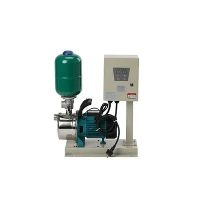
Hey there! I'm a supplier of water pump inverters, and today I wanna chat about how these nifty devices adjust to different water sources. It's a topic that's super important for anyone dealing with water pumping systems, whether it's for residential, commercial, or industrial use.
First off, let's understand what a water pump inverter is. In simple terms, it's a device that controls the speed of a water pump motor. By adjusting the frequency of the electrical power supplied to the motor, the inverter can change the pump's speed, which in turn affects the flow rate and pressure of the water. This ability to control the pump's operation is what makes inverters so versatile and useful when dealing with different water sources.
Different Types of Water Sources
There are various types of water sources out there, each with its own characteristics. We've got groundwater from wells, surface water from rivers, lakes, and reservoirs, and even recycled water. Each of these sources presents unique challenges and requirements for a water pump system.


Groundwater, for example, is often found at different depths underground. The pressure and flow rate of groundwater can vary depending on the well's depth, the aquifer's characteristics, and the water table level. In some cases, the water may contain sediment or other contaminants that can affect the pump's performance.
Surface water, on the other hand, is subject to seasonal variations in flow and quality. During the rainy season, rivers and lakes may have higher water levels and faster flow rates, while in the dry season, the water levels may drop, and the flow may slow down. Surface water can also contain a variety of pollutants, such as dirt, debris, and chemicals, which need to be filtered out before the water can be used.
Recycled water is another option that's becoming more popular, especially in areas where water is scarce. This type of water is treated wastewater that has been purified and reused for non-potable purposes, such as irrigation or industrial processes. Recycled water may have different chemical compositions and levels of contaminants compared to other water sources, which can impact the pump's operation.
How Water Pump Inverters Adjust
So, how do water pump inverters adjust to these different water sources? Well, it all comes down to the inverter's ability to sense and respond to changes in the system. Most modern water pump inverters are equipped with sensors that can measure various parameters, such as pressure, flow rate, and temperature. These sensors provide real-time data to the inverter, which then uses this information to adjust the pump's speed and operation.
Pressure Control
One of the most common ways that water pump inverters adjust to different water sources is through pressure control. When the water demand increases, the pressure in the system drops. The inverter senses this drop in pressure and automatically increases the pump's speed to maintain a constant pressure. Conversely, when the water demand decreases, the pressure in the system rises, and the inverter reduces the pump's speed to prevent over-pressurization.
For example, let's say you have a well that supplies water to a residential building. During the morning rush hour, when everyone is using water for showers, toilets, and sinks, the demand for water is high. The water pump inverter senses the drop in pressure and increases the pump's speed to ensure that there's enough water pressure for all the fixtures in the building. As the demand decreases later in the day, the inverter reduces the pump's speed to save energy and prevent unnecessary wear and tear on the pump.
Flow Rate Control
In addition to pressure control, water pump inverters can also adjust the pump's speed based on the flow rate. This is particularly useful when dealing with water sources that have variable flow rates, such as surface water or recycled water. By monitoring the flow rate, the inverter can ensure that the pump is operating at an optimal efficiency and that the water is being pumped at the right rate.
For instance, if you're using a pump to draw water from a river, the flow rate of the river may vary depending on the time of day, the season, and the weather conditions. The water pump inverter can sense these changes in the flow rate and adjust the pump's speed accordingly. If the flow rate is low, the inverter can reduce the pump's speed to prevent cavitation (a phenomenon where bubbles form in the water and cause damage to the pump). If the flow rate is high, the inverter can increase the pump's speed to handle the increased volume of water.
Temperature Control
Temperature is another important factor that can affect the performance of a water pump. In some cases, the water temperature may be too high or too low, which can cause the pump to overheat or freeze. Water pump inverters can be equipped with temperature sensors that monitor the water temperature and adjust the pump's operation to prevent damage.
For example, if the water temperature is too high, the inverter can reduce the pump's speed to prevent the motor from overheating. If the water temperature is too low, the inverter can increase the pump's speed to keep the water flowing and prevent it from freezing.
Our Water Pump Inverters
As a water pump inverter supplier, we offer a range of high-quality inverters that are designed to adjust to different water sources. Our New Three-phase Water Pump Inverter is a great option for larger applications, such as commercial and industrial water pumping systems. It features advanced control algorithms and sensors that can accurately monitor and adjust the pump's operation based on the water source's characteristics.
For smaller applications, like residential water pumping systems, our 220V Water Pump Speed Drive Inverter is a reliable and cost-effective choice. It's easy to install and operate, and it can provide precise control over the pump's speed and pressure.
If you're looking for a water pump inverter that can maintain a constant pressure in your system, our Pump Constant Pressure Variable Speed Drive Inverter is the perfect solution. It uses advanced pressure control technology to ensure that the water pressure remains stable, even when the water demand changes.
Contact Us for Procurement
If you're in the market for a water pump inverter that can adjust to different water sources, we'd love to hear from you. Our team of experts can help you choose the right inverter for your specific needs and provide you with all the support and guidance you need. Whether you're a homeowner, a business owner, or an industrial operator, we've got the solution for you. So, don't hesitate to reach out and start a conversation about your water pumping requirements.
References
- “Pump Handbook” by Igor J. Karassik, Joseph P. Messina, Paul Cooper, and Charles C. Heald.
- “Variable Frequency Drives for Pumps and Fans” by ABB.
- “Water Supply and Treatment” by American Water Works Association.