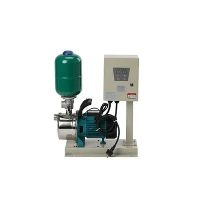
As a supplier of water pump inverters, I've witnessed firsthand the critical role these devices play in ensuring the efficient and safe operation of water pumping systems. Water pump inverters are designed to control the speed and torque of electric motors, providing variable frequency drive (VFD) functionality that can significantly improve energy efficiency, reduce wear and tear on equipment, and enhance overall system performance. However, to ensure the safety of both the equipment and the operators, it's essential that water pump inverters are equipped with a range of safety features. In this blog post, I'll discuss some of the key safety features that a water pump inverter should have.
Over - current Protection
One of the most fundamental safety features in a water pump inverter is over - current protection. An over - current situation can occur due to various reasons, such as a short circuit in the motor windings, a mechanical jam in the pump, or an excessive load on the motor. When an over - current condition is detected, the inverter should immediately reduce the output current to a safe level or shut down the motor to prevent damage to the inverter, the motor, and other connected components.
Advanced water pump inverters use sophisticated current sensors and control algorithms to monitor the current flow continuously. If the current exceeds a pre - set threshold, the inverter will take corrective action. For example, it may reduce the frequency and voltage supplied to the motor, gradually bringing the current back to a normal range. In more severe cases, it will initiate an emergency stop to avoid any potential fire hazards or equipment failures.
Over - voltage and Under - voltage Protection
Voltage fluctuations are common in electrical power systems, and they can have a significant impact on the performance and lifespan of water pump inverters. Over - voltage conditions can cause insulation breakdown in the inverter's power electronics, leading to short circuits and component failures. On the other hand, under - voltage situations can result in the motor stalling or running at an inefficient speed.
A reliable water pump inverter should be equipped with over - voltage and under - voltage protection mechanisms. These mechanisms monitor the input voltage and compare it to the acceptable operating range. If the voltage goes above or below the set limits, the inverter will either adjust its output to compensate for the voltage variation or shut down the system to prevent damage. For instance, in the case of over - voltage, the inverter may use voltage - clamping circuits to limit the voltage applied to its internal components. In the case of under - voltage, it may implement a soft - start or restart procedure once the voltage returns to a normal level.
Over - temperature Protection
Water pump inverters generate heat during normal operation, especially when they are driving high - power motors. Excessive heat can degrade the performance of electronic components, reduce their lifespan, and even cause permanent damage. Therefore, over - temperature protection is a crucial safety feature.
Most water pump inverters are equipped with temperature sensors that monitor the temperature of critical components such as power modules, heat sinks, and printed circuit boards. When the temperature exceeds a certain threshold, the inverter will take measures to cool down the system. This may involve reducing the output power of the inverter, increasing the fan speed for better ventilation, or shutting down the system if the temperature cannot be brought under control. For example, the New LCD Display Inverter is designed with efficient heat dissipation systems and advanced over - temperature protection algorithms to ensure reliable operation even in high - temperature environments.
Short - circuit Protection
Short - circuits can occur in the motor windings, cables, or other parts of the electrical system connected to the water pump inverter. A short - circuit can cause a sudden and significant increase in current, which can damage the inverter and other equipment. To prevent this, water pump inverters are equipped with short - circuit protection.
Short - circuit protection is typically achieved through fast - acting fuses, circuit breakers, or electronic protection circuits. When a short - circuit is detected, these protection devices will quickly interrupt the current flow, isolating the faulty part of the circuit. Modern inverters use advanced fault - detection algorithms to identify short - circuits within milliseconds and take immediate action to prevent any further damage.
Ground - fault Protection
Ground - faults occur when an electrical conductor comes into contact with the ground or a conductive surface. This can pose a serious safety risk to operators, as it can cause electric shocks. Water pump inverters should have ground - fault protection to detect and prevent such situations.
Ground - fault protection systems monitor the current flowing through the neutral conductor and compare it to the sum of the currents in the phase conductors. If there is an imbalance, it indicates a ground - fault, and the inverter will quickly shut down the system to protect the users and the equipment.
Motor Over - load Protection
Motors can become over - loaded due to various reasons, such as a blockage in the pump, a misaligned shaft, or an increase in the system's hydraulic resistance. Over - loading can cause the motor to draw more current than its rated capacity, leading to over - heating and premature failure.
Water pump inverters are equipped with motor over - load protection to prevent this. The inverter monitors the motor's current and power consumption and compares it to the motor's rated values. If the motor is over - loaded, the inverter will reduce the output power or shut down the motor to prevent damage. Some inverters also provide diagnostic information about the over - load condition, allowing maintenance personnel to identify and correct the problem.
Dry - running Protection
Dry - running occurs when a water pump operates without water in the pump chamber. This can cause severe damage to the pump, such as over - heating of the mechanical seals, bearing damage, and impeller wear. Water pump inverters should have dry - running protection to detect and prevent this situation.
Dry - running protection can be achieved through various methods, such as monitoring the motor's current, pressure, or flow rate. If the inverter detects that the pump is running dry, it will shut down the motor to prevent damage. For example, some inverters use pressure sensors to detect the absence of water pressure, indicating a dry - running condition.
Emergency Stop Function
In case of an emergency, such as a mechanical failure, a fire, or a safety hazard, it's essential to have an emergency stop function. This function allows operators to quickly and safely shut down the water pump inverter and the connected motor.


The emergency stop button should be easily accessible and clearly marked. When the emergency stop button is pressed, the inverter will immediately cut off the power supply to the motor, bringing the system to a halt.
Communication and Monitoring Features
Modern water pump inverters are often equipped with communication interfaces that allow them to be connected to a monitoring system or a control center. These communication features enable remote monitoring of the inverter's operating parameters, such as temperature, current, voltage, and speed.
Remote monitoring allows operators to detect potential problems early and take preventive measures. For example, if the temperature of the inverter is rising steadily, operators can investigate the cause before it leads to a failure. Some inverters also support diagnostic functions that can provide detailed information about faults and errors, making it easier for maintenance personnel to troubleshoot and repair the system.
In conclusion, a water pump inverter should have a comprehensive set of safety features to ensure the reliable and safe operation of water pumping systems. These safety features not only protect the equipment but also the operators and the environment. As a supplier of Water Pump Inverters and Constant Pressure Pump VSD Inverters, we are committed to providing high - quality inverters with advanced safety features. If you are interested in our products or have any questions about water pump inverter safety features, please feel free to contact us for procurement and further discussions.
References
- "Variable Frequency Drives Handbook" by Russel Cowart
- "Electric Motor Handbook" by Teruo Matsuo
- Technical documents from leading water pump inverter manufacturers