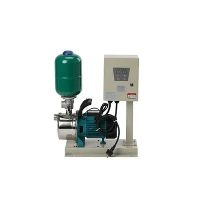
Hey there! As a supplier of pump inverters, I've had my fair share of experiences in understanding what makes these devices top - notch, especially when it comes to safety features. So, let's dive right in and talk about the essential safety features that a pump inverter should have.
Over - Current Protection
One of the most crucial safety features in a pump inverter is over - current protection. You see, pumps can sometimes draw more current than they're supposed to. This can happen due to various reasons like a mechanical jam in the pump, a short - circuit in the wiring, or a sudden increase in the load on the pump.
When a pump inverter has over - current protection, it can detect when the current exceeds a pre - set limit. Once this limit is crossed, the inverter will quickly shut off the power to the pump. This not only protects the pump from getting damaged due to excessive current but also reduces the risk of electrical fires. Imagine if a pump was running with a short - circuit and there was no over - current protection. The excessive current could heat up the wires, melt the insulation, and eventually start a fire. That's a nightmare scenario that over - current protection helps us avoid.
Over - Voltage Protection
Over - voltage is another issue that can cause serious damage to a pump inverter and the connected pump. Voltage fluctuations in the power supply are quite common, especially in areas with unstable electrical grids. If the voltage supplied to the pump inverter goes above the rated voltage, it can lead to component failure in the inverter and even damage the pump motor.
A good pump inverter comes with over - voltage protection. It continuously monitors the input voltage. When the voltage exceeds the safe limit, the inverter will either regulate the voltage to a safe level or shut down the pump operation. This way, you don't have to worry about your expensive pump and inverter getting fried because of a sudden spike in voltage.
Under - Voltage Protection
On the flip side, under - voltage can also be a problem. When the input voltage drops below a certain level, the pump may not operate efficiently. The motor might not be able to generate enough torque to turn the pump impeller properly, leading to reduced flow and pressure.
Under - voltage protection in a pump inverter senses when the voltage is too low. It can then either give a warning signal or shut down the pump to prevent any long - term damage. This is important because running a pump under low voltage conditions for an extended period can cause the motor to overheat and eventually fail.
Over - Temperature Protection
Pump inverters generate heat during operation, especially when they're working hard to control the speed and power of the pump. If the temperature inside the inverter rises too high, it can damage the electronic components.
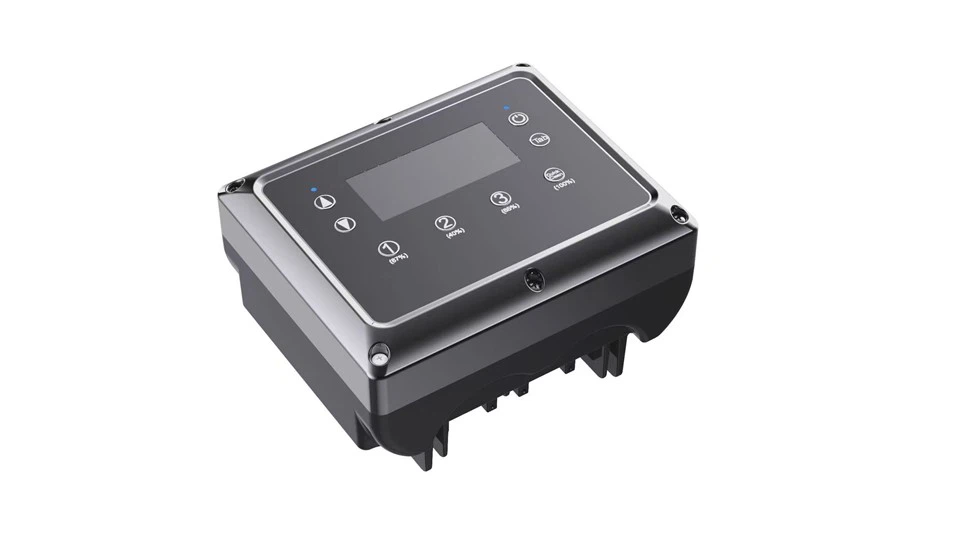
That's where over - temperature protection comes in. The inverter has sensors that monitor the temperature. When the temperature reaches a critical level, the inverter will reduce the power output or shut down completely. This gives the inverter time to cool down and prevents any permanent damage. For example, if you have a Timing And Speed Control Pump Inverters running continuously in a hot environment, over - temperature protection will keep it safe.

Short - Circuit Protection
Short - circuits can occur when there's a direct connection between the live and neutral wires in the electrical system. This can cause a huge surge of current, which can damage the pump inverter and pose a serious safety hazard.
A pump inverter with short - circuit protection can quickly detect the short - circuit and cut off the power. It acts like a safety net, preventing any damage to the equipment and protecting the people around it. This feature is especially important in industrial settings where pumps are used in complex electrical systems.
Ground Fault Protection
Ground faults happen when an electrical current finds an unintended path to the ground. This can be extremely dangerous as it can cause electric shocks to anyone who comes into contact with the faulty equipment.
Ground fault protection in a pump inverter detects the presence of a ground fault. Once detected, it immediately shuts off the power to the pump. This is a vital safety feature, especially in wet environments like swimming pools. If you have a Swimming Pool Pump Inverter, ground fault protection is a must - have to ensure the safety of swimmers.
Dry - Run Protection
Dry - running occurs when a pump is operating without any liquid in it. This can cause the pump to overheat and damage the impeller and other internal components.
A pump inverter with dry - run protection can sense when there's no liquid in the pump. It can then shut off the pump to prevent any damage. This is particularly important for pumps used in water supply systems or for pumps that are used to transfer liquids. For instance, a Pump Inverter With Float Switch can be very effective in preventing dry - run situations by using the float switch to detect the liquid level.
Phase Loss Protection
In three - phase power systems, phase loss can occur when one of the phases in the power supply is lost. This can cause the pump motor to operate inefficiently and can also lead to overheating and damage.
Phase loss protection in a pump inverter monitors the three phases of the power supply. If it detects a phase loss, it will shut down the pump to prevent any damage. This is an important feature for industrial pumps that rely on three - phase power.
Motor Overload Protection
Pumps can sometimes experience an overload, which means the motor has to work harder than normal. This can be due to factors like a blocked pipe or a sudden increase in the load on the pump.
Motor overload protection in a pump inverter senses when the motor is overloaded. It can then reduce the power output or shut down the pump to prevent the motor from burning out. This helps in extending the lifespan of the pump motor and reduces maintenance costs.
In conclusion, these safety features are not just nice - to - haves; they are essential for the proper functioning and safety of pump inverters. Whether you're using a pump in a residential, commercial, or industrial setting, having these safety features can save you a lot of trouble and money in the long run.
If you're in the market for a high - quality pump inverter with all these safety features, we've got you covered. We're a leading supplier of pump inverters, and we can provide you with the best products that meet your specific needs. Don't hesitate to get in touch with us for more information or to start a purchase negotiation. We're here to help you make the right choice for your pumping system.
References
- Electrical Safety Standards for Industrial Equipment
- Pump Inverter Manufacturer's Guides
- National Electrical Codes and Regulations