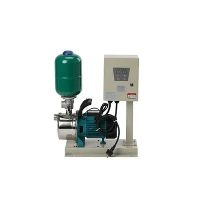
What is the power consumption of an electric water pump controller?
As a provider of Electric Water Pump Controllers, I often get asked about the power consumption of these essential devices. Understanding the power consumption of an electric water pump controller is crucial for both consumers and businesses. It not only affects the operational cost but also plays a significant role in energy - efficiency and environmental impact.
Factors Affecting Power Consumption
The power consumption of an electric water pump controller is influenced by several factors. First and foremost is the type of controller. There are different types of water pump controllers in the market, such as the Digital Display Water Pump Pressure Controller, Electric Water Pump Controller, and Automatic Pressure Control Switch for Water Pump. Each type has its own unique design and functionality, which directly impacts power usage.
Digital display water pump pressure controllers usually have a more complex electronic circuit to support the display function. This additional feature requires extra power to operate the display screen and the associated sensors. On the other hand, simple automatic pressure control switches for water pumps may consume less power as they have a more basic design with fewer electronic components.
The operating mode of the controller also affects power consumption. Some controllers are designed to operate continuously, while others are set to turn on and off based on certain conditions, such as water pressure or flow rate. Continuously - operating controllers will naturally consume more power over time compared to those that are only active when needed.
The power rating of the connected water pump is another important factor. A controller that is designed to manage a high - power water pump will generally consume more power itself. This is because it needs to handle larger electrical currents and provide more precise control to ensure the proper functioning of the pump.
Measuring Power Consumption
To accurately measure the power consumption of an electric water pump controller, you can use a power meter. A power meter is a device that can measure the electrical power (in watts) being consumed by an electrical appliance. By connecting the power meter between the controller and the power source, you can get real - time data on how much power the controller is using.
It's important to note that the power consumption of a controller may vary depending on its operating conditions. For example, if the controller is constantly adjusting the pump's speed to maintain a specific water pressure, it will consume more power than when it is in a standby mode. Therefore, it's advisable to measure the power consumption over a period of time to get an average value.
Typical Power Consumption Values
The power consumption of electric water pump controllers can vary widely. For basic automatic pressure control switches, the power consumption can be as low as 1 - 5 watts. These simple controllers are mainly used for on - off control of water pumps and have a relatively low power requirement.
Digital display water pump pressure controllers, due to their more advanced features, may consume between 5 - 15 watts. The power consumption can be higher if the display has a backlight or if it is constantly communicating with other devices.
Controllers for high - power industrial water pumps may consume even more power. In some cases, they can consume up to 20 - 30 watts or more, especially if they are equipped with advanced control algorithms and communication interfaces.


Energy - Saving Tips
As an Electric Water Pump Controller supplier, we are committed to providing energy - efficient products. Here are some tips to reduce the power consumption of your water pump controller:
- Choose the Right Controller: Select a controller that is appropriately sized for your water pump. Using an oversized controller can lead to unnecessary power consumption.
- Optimize Operating Settings: Set the controller to operate only when necessary. For example, adjust the pressure settings so that the pump only runs when the water pressure drops below a certain level.
- Regular Maintenance: Keep the controller clean and well - maintained. Dirty or malfunctioning components can increase power consumption.
Importance of Energy Efficiency
In today's world, energy efficiency is not just about saving money; it's also about reducing our environmental impact. By using energy - efficient electric water pump controllers, we can reduce the overall energy consumption of water pumping systems. This, in turn, helps to lower greenhouse gas emissions and conserve natural resources.
Conclusion
The power consumption of an electric water pump controller is influenced by various factors, including the type of controller, operating mode, and the power rating of the connected water pump. By understanding these factors and taking appropriate energy - saving measures, consumers and businesses can reduce their energy costs and contribute to a more sustainable future.
If you are interested in learning more about our Electric Water Pump Controllers or have any questions regarding power consumption, please feel free to contact us for a detailed discussion. We are here to help you find the most suitable and energy - efficient solution for your water pumping needs.
References
- Electrical Engineering Handbook: Covers general principles of electrical power consumption and control systems.
- Manufacturer's specifications of various electric water pump controllers.