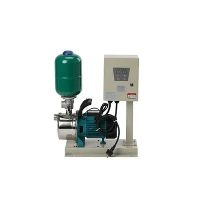
As a supplier of Automatic Pump Pressure Switches, I've been asked numerous times whether these devices can save energy. In this blog post, I'll explore this question in depth, drawing on scientific principles, real - world applications, and the features of our products such as the G1.25 Water Pump Controller, Automatic Pump Pressure Switch, and 24V DC Water Pump Switch.
Understanding the Basics of Automatic Pump Pressure Switches
Before delving into the energy - saving aspect, it's important to understand what an automatic pump pressure switch is. An automatic pump pressure switch is a device that monitors the pressure in a water system. When the pressure drops below a certain set point, the switch activates the pump to start pumping water. Once the pressure reaches the upper set point, the switch turns off the pump. This automated process ensures that the water system maintains a consistent pressure, which is crucial for various applications such as domestic water supply, irrigation, and industrial processes.
How Energy Savings Occur
Reduced Over - Pumping
One of the primary ways an automatic pump pressure switch saves energy is by preventing over - pumping. In a system without a pressure switch, a pump might run continuously, even when there is no demand for water. This not only wastes energy but also puts unnecessary wear and tear on the pump. With an automatic pump pressure switch, the pump only runs when needed. For example, in a household water supply system, when all the taps are turned off, the pressure in the pipes remains stable. The pressure switch senses this and keeps the pump off. Only when a tap is opened and the pressure drops does the pump start, saving a significant amount of energy over time.
Optimal Pump Operation
Automatic pump pressure switches are designed to operate the pump at its most efficient point. Each pump has a specific range of pressures and flow rates at which it operates most efficiently. The pressure switch ensures that the pump operates within this optimal range. By maintaining the correct pressure, the pump doesn't have to work harder than necessary, which reduces energy consumption. For instance, in an irrigation system, the pressure switch can be set to maintain the ideal pressure for the sprinklers, ensuring that the water is distributed evenly while using the least amount of energy.
Real - World Examples of Energy Savings
Domestic Water Supply
In a typical household, a well - installed automatic pump pressure switch can lead to substantial energy savings. Consider a family that uses water for various activities such as bathing, cooking, and washing. Without a pressure switch, the pump would run continuously, consuming a large amount of electricity. With an automatic pump pressure switch, the pump only operates when water is being used. Studies have shown that households can save up to 30% on their water pump energy costs by using an automatic pressure switch.
Industrial Applications
In industrial settings, the energy savings can be even more significant. For example, in a manufacturing plant that uses water for cooling processes, an automatic pump pressure switch can ensure that the cooling water is supplied at the right pressure. This not only saves energy but also improves the efficiency of the cooling system, reducing the overall energy consumption of the plant.


Features of Our Automatic Pump Pressure Switches That Contribute to Energy Savings
Precise Pressure Settings
Our Automatic Pump Pressure Switch allows for precise pressure settings. This means that the pump can be set to start and stop at exactly the right pressures for the specific application. Whether it's a low - pressure domestic water system or a high - pressure industrial process, the ability to set the pressure accurately ensures that the pump operates efficiently, saving energy.
Durable and Reliable Design
Our products are built to last. A reliable pressure switch means fewer malfunctions and interruptions in the pumping process. If a pressure switch fails, it can cause the pump to run continuously or not start when needed, both of which waste energy. Our switches are made from high - quality materials and undergo rigorous testing to ensure long - term reliability.
Compatibility with Different Pump Types
Our automatic pump pressure switches are compatible with a wide range of pump types, including centrifugal pumps, submersible pumps, and diaphragm pumps. This versatility allows customers to use our switches in various applications, and regardless of the pump type, the energy - saving benefits remain the same.
Comparing with Other Control Methods
Manual Control
Manual control of a pump is the least energy - efficient method. With manual control, the operator has to turn the pump on and off, which is prone to human error. For example, an operator might forget to turn off the pump when it's not needed, leading to continuous energy consumption. In contrast, an automatic pump pressure switch operates automatically, eliminating the risk of human error and ensuring energy savings.
Simple Timer - Based Control
Timer - based control is better than manual control, but it still has limitations. A timer can only turn the pump on and off at pre - set intervals, regardless of the actual water demand. This means that the pump might run when there is no need for water, or it might not run when water is required. An automatic pump pressure switch, on the other hand, responds to the actual pressure in the system, providing a more accurate and energy - efficient control method.
Conclusion
In conclusion, an automatic pump pressure switch can indeed save energy. Through reduced over - pumping, optimal pump operation, and the precise control it offers, it provides significant energy savings in both domestic and industrial applications. Our range of products, including the G1.25 Water Pump Controller, Automatic Pump Pressure Switch, and 24V DC Water Pump Switch, are designed to maximize these energy - saving benefits.
If you're interested in learning more about our Automatic Pump Pressure Switches or are considering a purchase for your water system, we encourage you to get in touch with us. Our team of experts is ready to assist you in finding the right product for your needs and helping you achieve significant energy savings.
References
- "Energy - Efficient Water Pumping Systems" by the Department of Energy.
- "Water Pumping Handbook" by John F. Carrand.
- Industry reports on water pump control technologies.