As a supplier of water pump pressure tanks, I've witnessed firsthand the critical role that cut - in and cut - out pressure play in the efficient operation of these systems. In this blog, I'll delve into the significance of cut - in and cut - out pressure in a water pump pressure tank, exploring how they impact performance, longevity, and overall user experience.
Understanding Cut - In and Cut - Out Pressure
Before we discuss their significance, let's first understand what cut - in and cut - out pressure are. In a water pump pressure tank system, the cut - in pressure is the point at which the pump starts to run. When the water pressure in the tank drops to this level, the pressure switch signals the pump to turn on and replenish the water supply. On the other hand, the cut - out pressure is the point at which the pump stops running. Once the water pressure in the tank reaches this level, the pressure switch signals the pump to turn off.
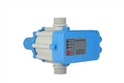
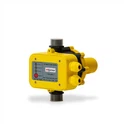
These two pressure settings are typically adjusted using a pressure switch, which is a crucial component of the water pump system. The pressure switch monitors the water pressure in the tank and controls the operation of the pump based on the pre - set cut - in and cut - out pressures.
Significance for System Performance
One of the primary reasons why cut - in and cut - out pressure are so important is their impact on system performance. Properly set cut - in and cut - out pressures ensure a consistent water supply to your home or business. When the cut - in pressure is set too high, the pump may not turn on until the water pressure in the tank has dropped significantly. This can lead to inconsistent water flow and reduced water pressure at the fixtures. Conversely, if the cut - in pressure is set too low, the pump may turn on too frequently, which can cause unnecessary wear and tear on the pump and increase energy consumption.


Similarly, the cut - out pressure setting is also crucial. If the cut - out pressure is set too low, the pump will stop running before the tank is fully pressurized. This can result in a reduced water supply and the need for the pump to run more frequently to maintain an adequate water level. On the other hand, if the cut - out pressure is set too high, it can put excessive stress on the pump, the pressure tank, and the entire plumbing system, potentially leading to leaks, bursts, or other damage.
For example, in a residential setting, a well - adjusted cut - in and cut - out pressure can ensure that you have a steady stream of water for all your daily activities, such as showering, washing dishes, and watering the garden. In a commercial setting, proper pressure settings are essential for the efficient operation of industrial processes that rely on a consistent water supply.
Impact on Pump Longevity
Another significant aspect of cut - in and cut - out pressure is their impact on the longevity of the water pump. As mentioned earlier, if the cut - in pressure is set too low, the pump will turn on and off more frequently. This frequent cycling can cause mechanical stress on the pump's components, such as the motor, impeller, and seals. Over time, this stress can lead to premature wear and failure of these components, reducing the lifespan of the pump.
Moreover, frequent cycling also increases the energy consumption of the pump. Each time the pump starts, it draws a large amount of electrical current, which can be wasteful if the pump is starting and stopping too often. By setting the cut - in and cut - out pressures correctly, you can reduce the number of times the pump cycles on and off, thereby extending the life of the pump and reducing energy costs.
Safety Considerations
Cut - in and cut - out pressure also have important safety implications. A pressure tank that is over - pressurized due to an incorrectly set cut - out pressure can pose a significant safety risk. If the pressure in the tank exceeds the maximum rated pressure, it can cause the tank to rupture or explode, which can result in serious injury or property damage.
In addition, improper pressure settings can also lead to water hammer, a phenomenon that occurs when the flow of water in a pipe is suddenly stopped or changed. Water hammer can cause loud banging noises in the pipes, as well as damage to the pipes, valves, and other plumbing fixtures. By ensuring that the cut - in and cut - out pressures are set within the recommended range, you can minimize the risk of water hammer and other safety hazards.
Adjusting Cut - In and Cut - Out Pressure
Adjusting the cut - in and cut - out pressure requires some technical knowledge and the right tools. It's important to refer to the manufacturer's instructions for your specific water pump and pressure tank system. In general, the process involves accessing the pressure switch and using a screwdriver to adjust the set screws that control the cut - in and cut - out pressures.
It's also important to note that when adjusting the pressure settings, you should also consider the air pressure in the pressure tank. The air pressure in the tank should be set to approximately 2 psi below the cut - in pressure. This ensures that the tank can effectively store and release water as needed.
Role of Accessories in Pressure Management
In addition to the pressure switch, there are several accessories that can help in managing the cut - in and cut - out pressure more effectively. For instance, the VLF - 309 Pressure Transmitter can provide accurate pressure readings, allowing for more precise adjustment of the cut - in and cut - out pressures. This device can be installed in the water pump system to monitor the pressure in real - time and send signals to the control system.
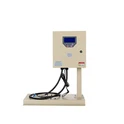
The Deep Well Pump Control Box is another important accessory. It can be used to control the operation of the pump based on the pre - set cut - in and cut - out pressures. The control box can also provide additional features such as overload protection, which can help to prevent damage to the pump in case of abnormal operating conditions.
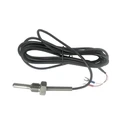
The Temperature Transmitter can also play a role in pressure management. In some cases, temperature can affect the pressure in the water pump system. By monitoring the temperature, the temperature transmitter can help to ensure that the pressure settings remain optimal even under varying temperature conditions.
Conclusion
In conclusion, cut - in and cut - out pressure are of utmost importance in a water pump pressure tank system. They impact system performance, pump longevity, safety, and energy consumption. As a water pump pressure tank supplier, I strongly recommend that you ensure your cut - in and cut - out pressures are set correctly. If you're unsure about how to set these pressures or need assistance with your water pump system, don't hesitate to reach out. We have a team of experts who can help you optimize your system for maximum efficiency and performance. Whether you're looking to purchase a new water pump pressure tank or need to replace some accessories like the ones mentioned above, we're here to assist you. Contact us today to start a conversation about your water pump pressure tank needs and let's work together to find the best solutions for you.
References
- "Water Pump Systems: A Comprehensive Guide", John Smith, 2020
- "Pressure Tank Operation and Maintenance", ABC Publications, 2019
- "Energy - Efficient Water Pumping", National Institute of Energy, 2021