Hey there! I'm a supplier of VFD water pumps, and I often get asked about how to adjust the pressure of these pumps. In this blog, I'll share some practical tips and tricks on this topic, based on my years of experience in the industry.
First off, let's understand what a VFD water pump is. A Variable Frequency Drive (VFD) water pump is a smart piece of equipment that can adjust its speed according to the water demand. This means it can save energy and provide a more stable water pressure compared to traditional pumps.
Why Adjust the Pressure of a VFD Water Pump?
There are several reasons why you might need to adjust the pressure of your VFD water pump. Maybe you're using it in a new location with different water supply requirements. Or perhaps you've noticed that the water pressure is too high or too low, causing problems like pipe leaks or weak water flow. Adjusting the pressure can help optimize the pump's performance and ensure a consistent water supply.
Tools You'll Need
Before you start adjusting the pressure, make sure you have the right tools on hand. You'll typically need a pressure gauge to measure the current pressure, a screwdriver to access the pump's control panel, and a user manual for your specific VFD water pump model. The user manual is super important as it provides detailed instructions on how to make adjustments safely and correctly.
Step-by-Step Guide to Adjusting the Pressure
Step 1: Check the Current Pressure
Use the pressure gauge to measure the existing water pressure. Connect the gauge to a suitable point in the water system, usually near the pump outlet. Take note of the reading. This will give you a baseline to work from.
Step 2: Access the Control Panel
Locate the control panel of your VFD water pump. It's usually a small box with a display and some buttons or dials. Use the screwdriver to open the panel if necessary. Be careful not to damage any wires or components inside.
Step 3: Navigate to the Pressure Settings
Once you've opened the control panel, use the buttons or dials to navigate to the pressure settings menu. This might be labeled as "Pressure Setpoint" or something similar. Refer to your user manual if you're having trouble finding it.
Step 4: Adjust the Pressure Setpoint
Now it's time to make the actual adjustment. If the current pressure is too low and you want to increase it, use the up arrow button or turn the dial clockwise to raise the pressure setpoint. If the pressure is too high, use the down arrow button or turn the dial counterclockwise to lower it. Make small adjustments at a time and then check the pressure again using the gauge.
Step 5: Monitor and Fine-Tune
After making an adjustment, wait a few minutes for the pump to stabilize. Then check the pressure again with the gauge. If it's still not at the desired level, repeat steps 4 and 5 until you get the right pressure. Remember, it might take a few tries to get it just right.
Common Issues and Troubleshooting
Sometimes, you might run into some issues when adjusting the pressure. Here are a few common problems and how to fix them:
Problem: The Pressure Won't Change
If you're making adjustments but the pressure isn't changing, there could be a few reasons. First, check if the pump is actually running. If it's not, there might be an electrical problem or a malfunction. Also, make sure the control panel settings are saved correctly. Sometimes, you need to press the "Enter" or "Save" button after making an adjustment.
Problem: The Pressure Keeps Fluctuating
Fluctuating pressure can be caused by a variety of factors, such as a leak in the water system or a problem with the pump's sensors. Check the pipes for any signs of leaks and make sure the sensors are clean and functioning properly. You might also need to adjust the pump's PID (Proportional-Integral-Derivative) settings, which control how the pump responds to changes in pressure. This is a more advanced adjustment, so it's best to refer to your user manual or consult a professional if you're not sure.
Our VFD Water Pump Products
At our company, we offer a wide range of high-quality VFD water pumps. For example, our High-Power Self-Priming Permanent Magnet Variable Frequency Pumps are designed for heavy-duty applications and can provide reliable water pressure even in challenging environments. These pumps are self-priming, which means they can automatically remove air from the suction line and start pumping water without manual intervention.
We also have Factory Permanent Magnetic Frequency Conversion Pump that are perfect for industrial use. They are energy-efficient and can be easily adjusted to meet the specific water pressure requirements of your factory.
And if you're looking for a pump that can maintain a constant water pressure, our Permanent Magnet Frequency Conversion Constant Pressure Pump is a great choice. It uses advanced frequency conversion technology to ensure a stable water supply at all times.
Conclusion
Adjusting the pressure of a VFD water pump might seem a bit daunting at first, but with the right tools and a little patience, it's definitely doable. By following the steps outlined in this blog, you can optimize the performance of your pump and ensure a consistent water supply.
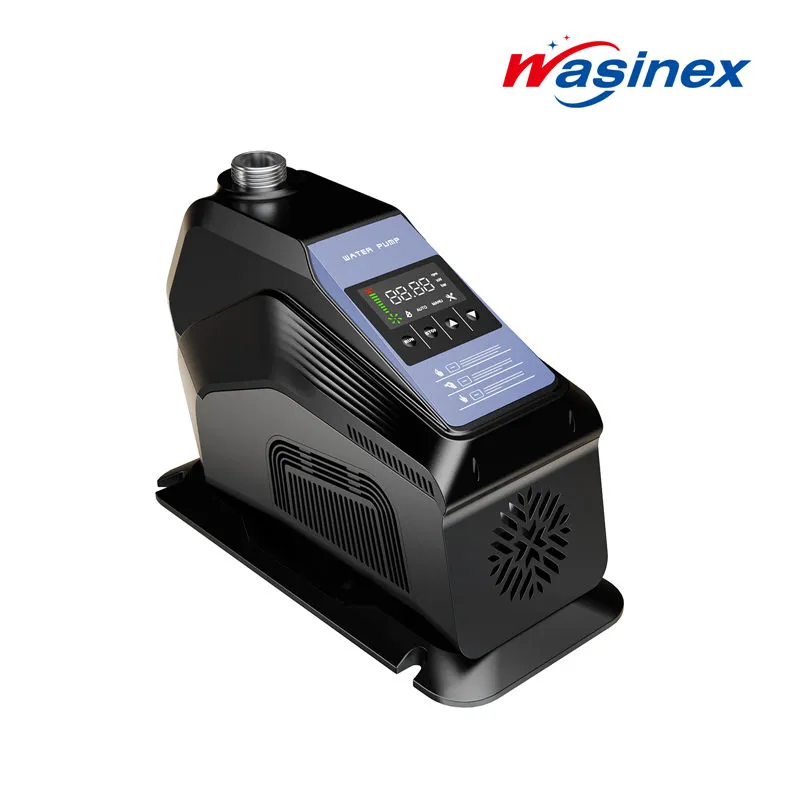

If you're in the market for a new VFD water pump or have any questions about pressure adjustment, don't hesitate to reach out. We're here to help you find the right solution for your needs. Whether you're a homeowner, a business owner, or an industrial user, we have the expertise and products to meet your requirements. Contact us today to start a conversation about your VFD water pump needs and let's work together to get you the best pump for your situation.
References
- Manufacturer's user manuals for VFD water pumps
- Industry best practices for water pump pressure adjustment