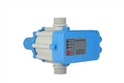
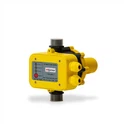
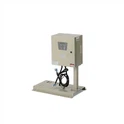
As a supplier of Electric Water Pump Controllers, I often receive inquiries about the power requirements for these essential devices. Understanding the power needs of an electric water pump controller is crucial for ensuring optimal performance, efficiency, and safety in various water pumping applications. In this blog post, I will delve into the key factors that determine the power requirements of an electric water pump controller and provide valuable insights to help you make informed decisions.
Understanding the Basics of Electric Water Pump Controllers
Before we discuss the power requirements, let's briefly understand what an electric water pump controller is and how it functions. An electric water pump controller is a device that manages the operation of a water pump, controlling its start, stop, and speed based on various parameters such as water pressure, flow rate, and level. These controllers play a vital role in maintaining a consistent water supply, preventing over-pumping, and protecting the pump from damage.
Factors Affecting Power Requirements
Several factors influence the power requirements of an electric water pump controller. Here are the key considerations:
1. Pump Power Rating
The power rating of the water pump is one of the primary factors determining the power requirements of the controller. The controller must be able to handle the electrical load of the pump without overheating or malfunctioning. Generally, the controller's power rating should be slightly higher than the pump's power rating to ensure safe and reliable operation. For example, if you have a 1.1KW Water Pump Control Switch, you should choose a controller with a power rating of at least 1.2KW to accommodate any potential power surges.
2. Control Functionality
The control functionality of the water pump controller also affects its power requirements. Some controllers offer basic on/off control, while others provide more advanced features such as variable speed control, pressure regulation, and remote monitoring. Advanced controllers typically require more power to operate due to the additional electronic components and processing capabilities. For instance, a 2.2KW Electric Water Pump Pressure Switch with variable speed control will consume more power than a simple on/off switch.
3. Operating Conditions
The operating conditions of the water pump system can impact the power requirements of the controller. Factors such as ambient temperature, humidity, and altitude can affect the efficiency of the controller and increase its power consumption. In high-temperature environments, for example, the controller may need to dissipate more heat, which requires additional power. Similarly, in areas with high humidity or altitude, the controller may need to compensate for the reduced air density, leading to increased power consumption.
4. Safety Features
Many electric water pump controllers are equipped with safety features such as overload protection, short-circuit protection, and overvoltage protection. These features add an extra layer of protection to the pump and the controller but also consume additional power. While the power consumption of these safety features is relatively small, it should be considered when calculating the overall power requirements of the controller.
Calculating Power Requirements
To calculate the power requirements of an electric water pump controller, you need to consider the factors mentioned above and use the following formula:
Power (W) = Pump Power Rating (W) + Additional Power for Control Functionality (W) + Power for Operating Conditions (W) + Power for Safety Features (W)
Let's take an example to illustrate this calculation. Suppose you have a 1.5KW water pump and a controller with advanced control functionality, operating in a high-temperature environment. The additional power for control functionality is estimated to be 200W, the power for operating conditions is 100W, and the power for safety features is 50W. Using the formula, the total power requirements of the controller would be:
Power (W) = 1500W + 200W + 100W + 50W = 1850W
Based on this calculation, you should choose a controller with a power rating of at least 2KW to ensure safe and reliable operation.
Choosing the Right Electric Water Pump Controller
When selecting an electric water pump controller, it is essential to choose a product that meets your specific power requirements and application needs. Here are some tips to help you make the right choice:
1. Consider the Pump Power Rating
As mentioned earlier, the controller's power rating should be slightly higher than the pump's power rating to ensure safe and reliable operation. Make sure to check the pump's power rating and choose a controller accordingly.
2. Evaluate the Control Functionality
Determine the control functionality you need for your water pump system. If you require basic on/off control, a simple controller may suffice. However, if you need advanced features such as variable speed control or remote monitoring, choose a controller with the appropriate functionality.


3. Check the Operating Conditions
Consider the operating conditions of your water pump system, such as ambient temperature, humidity, and altitude. Choose a controller that is designed to operate in these conditions and can withstand any potential challenges.
4. Look for Safety Features
Ensure that the controller is equipped with essential safety features such as overload protection, short-circuit protection, and overvoltage protection. These features will help protect the pump and the controller from damage and ensure safe operation.
5. Choose a Reliable Supplier
Select a reputable supplier that offers high-quality electric water pump controllers. Look for suppliers with a proven track record of providing reliable products and excellent customer service. At our company, we are committed to providing top-notch Electric Water Pump Controllers that meet the highest standards of quality and performance.
Conclusion
Understanding the power requirements of an electric water pump controller is essential for ensuring optimal performance, efficiency, and safety in your water pumping system. By considering factors such as pump power rating, control functionality, operating conditions, and safety features, you can calculate the total power requirements of the controller and choose the right product for your needs. At our company, we offer a wide range of high-quality electric water pump controllers that are designed to meet the diverse needs of our customers. If you have any questions or need assistance in selecting the right controller for your application, please feel free to contact us. We are here to help you make the best decision and ensure the success of your water pumping project.
References
- Electrical Engineering Handbook, Third Edition, edited by Richard C. Dorf
- Pump Handbook, Fourth Edition, edited by Igor J. Karassik