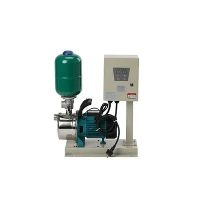
A water pump pressure gauge is a crucial component in any water pumping system, providing real - time information about the pressure within the system. However, it can sometimes get stuck, which can lead to inaccurate readings and potential problems with the water pump's operation. As a water pump pressure gauge supplier, I've encountered this issue numerous times and have developed a comprehensive troubleshooting guide.
Initial Checks
The first step in troubleshooting a stuck water pump pressure gauge is to perform some basic checks. Start by visually inspecting the gauge. Look for any obvious signs of damage, such as cracks in the glass or a bent needle. A damaged gauge may need to be replaced immediately.
Next, check the connections. Ensure that the gauge is properly connected to the water pump system. Loose connections can cause the gauge to malfunction or get stuck. Tighten any loose fittings, but be careful not to overtighten as this can damage the threads.
Isolate the Problem
If the initial checks don't reveal any obvious issues, the next step is to isolate the problem. One way to do this is by using a secondary pressure - measuring device. You can borrow a reliable pressure gauge from another similar system or use a handheld pressure tester if you have one.


Connect the secondary pressure - measuring device to the water pump system at the same point where the stuck gauge is connected. Compare the readings. If the secondary device shows a normal pressure reading while the original gauge is stuck, then the problem lies with the gauge itself. On the other hand, if both devices show abnormal readings, the issue may be with the water pump system rather than the gauge.
Check for Blockages
Blockages in the pressure - sensing line can cause the gauge to get stuck. The pressure - sensing line is the tube that connects the gauge to the water pump system. Over time, debris, sediment, or scale can accumulate in this line, preventing the proper flow of pressure.
To check for blockages, first, turn off the water pump and relieve the pressure in the system. Then, disconnect the pressure - sensing line from the gauge. Use a small wire or a pipe cleaner to gently probe the line. If you encounter resistance, there is likely a blockage. You can try flushing the line with clean water to remove the debris. For stubborn blockages, you may need to use a descaling solution, but make sure it is compatible with the materials of the pressure - sensing line.
Examine the Bourdon Tube
Most water pump pressure gauges use a Bourdon tube as the pressure - sensing element. The Bourdon tube is a curved, hollow tube that straightens when pressure is applied. If the Bourdon tube is damaged or deformed, it can cause the gauge to get stuck.
To examine the Bourdon tube, you may need to open the gauge. However, this should be done with caution as it may void the warranty. Carefully remove the gauge cover and inspect the Bourdon tube for any signs of damage, such as kinks, dents, or corrosion. If you find any damage, the gauge will likely need to be replaced. You can refer to the manufacturer's instructions or consult a professional if you are unsure about how to proceed.
Lubrication and Movement
Sometimes, the needle of the pressure gauge can get stuck due to lack of lubrication or friction within the gauge mechanism. You can try gently tapping the gauge with a soft object, such as the eraser end of a pencil. This may help to free up the needle if it is simply stuck due to minor friction.
If tapping doesn't work, you can try applying a small amount of lubricant to the moving parts of the gauge. However, use a lubricant that is suitable for the gauge's internal components. Avoid using too much lubricant as it can attract more dust and debris, which may cause further problems.
Consider Environmental Factors
Environmental factors can also affect the performance of the water pump pressure gauge. Extreme temperatures, humidity, and vibration can all cause the gauge to malfunction or get stuck.
If the gauge is exposed to high temperatures, it can cause the internal components to expand, leading to binding and a stuck needle. Similarly, high humidity can cause corrosion, especially in gauges that are not properly sealed. Vibration can loosen internal parts or cause misalignment.
To mitigate the effects of environmental factors, you can install the gauge in a more protected location. For example, you can use a gauge with a Protection Class IP68 Pressure Sensors, which are designed to be highly resistant to dust and water ingress. Additionally, you can use vibration - damping mounts to reduce the impact of vibration on the gauge.
Upgrade or Replace the Gauge
If all the troubleshooting steps above fail to resolve the issue, it may be time to consider upgrading or replacing the gauge. As a water pump pressure gauge supplier, I offer a wide range of high - quality gauges to suit different needs.
For example, the VLF - 516 Pressure Transmitter is a reliable option. It offers accurate pressure measurement and is built to withstand harsh environments. Another great product is the Stainless Steel Five - Way, which provides multiple connection options and is made of durable stainless steel.
When choosing a new gauge, consider factors such as the pressure range, accuracy, and compatibility with your water pump system. Make sure to follow the manufacturer's installation instructions carefully to ensure proper operation.
Conclusion
Troubleshooting a stuck water pump pressure gauge requires a systematic approach. By performing initial checks, isolating the problem, checking for blockages, examining the Bourdon tube, considering lubrication and environmental factors, and finally, upgrading or replacing the gauge if necessary, you can resolve the issue and ensure the proper functioning of your water pump system.
If you are facing difficulties with your water pump pressure gauge or are looking for a reliable replacement, don't hesitate to reach out. As a professional water pump pressure gauge supplier, I am committed to providing high - quality products and excellent customer service. Contact me for more information and to discuss your specific requirements. We can work together to find the best solution for your water pumping needs.
References
- "Handbook of Pressure Gauge Technology" - A comprehensive guide on pressure gauge design, operation, and troubleshooting.
- Manufacturer's manuals for various water pump pressure gauges, which provide detailed information on installation, maintenance, and troubleshooting.
- Industry standards and guidelines related to water pump systems and pressure measurement.