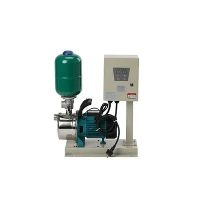
As a supplier of pump inverters, I've witnessed firsthand the transformative impact these devices have on pump systems. One of the most critical aspects that customers often inquire about is the relationship between a pump inverter and pump flow rate. Understanding this relationship is essential for optimizing pump performance, reducing energy consumption, and ensuring the efficient operation of various applications.
How Pump Inverters Work
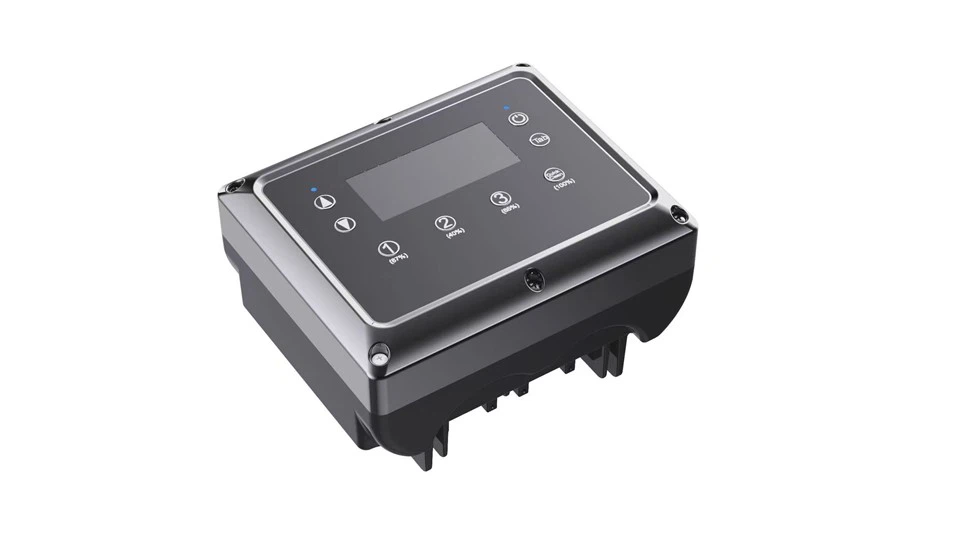
Before delving into the relationship between pump inverters and flow rate, it's important to understand how pump inverters function. A pump inverter, also known as a variable frequency drive (VFD), is an electronic device that controls the speed of an electric motor driving a pump. By adjusting the frequency and voltage supplied to the motor, the inverter can vary the motor's speed, which in turn affects the pump's performance.
The basic principle behind a pump inverter is to convert the incoming AC power into DC power and then back into AC power at a variable frequency and voltage. This allows the inverter to precisely control the motor's speed, enabling it to operate at different rates depending on the system's requirements.
The Relationship Between Pump Inverter and Flow Rate
The flow rate of a pump refers to the volume of fluid that the pump can deliver per unit of time. It is typically measured in gallons per minute (GPM) or liters per minute (LPM). The relationship between a pump inverter and flow rate is directly proportional to the speed of the pump motor. As the speed of the motor increases, the flow rate of the pump also increases, and vice versa.
This relationship can be explained by the affinity laws, which describe the relationship between the speed, flow rate, head, and power consumption of a centrifugal pump. According to the affinity laws, the flow rate of a pump is directly proportional to the speed of the pump motor. Mathematically, this relationship can be expressed as:
Q1/Q2 = N1/N2

Where:
- Q1 and Q2 are the flow rates at speeds N1 and N2, respectively.
- N1 and N2 are the speeds of the pump motor.
This equation shows that if the speed of the pump motor is doubled, the flow rate of the pump will also double. Conversely, if the speed of the motor is halved, the flow rate will be halved as well.
Benefits of Controlling Flow Rate with a Pump Inverter
Controlling the flow rate of a pump using a pump inverter offers several benefits, including:
Energy Savings
One of the primary advantages of using a pump inverter to control flow rate is energy savings. By adjusting the speed of the pump motor to match the system's requirements, the inverter can reduce the energy consumption of the pump. This is because the power consumption of a centrifugal pump is proportional to the cube of the speed. Therefore, even a small reduction in speed can result in significant energy savings.
For example, if the speed of a pump is reduced by 20%, the power consumption will be reduced by approximately 50%. This can lead to substantial cost savings over time, especially for large-scale pumping applications.
Improved System Efficiency
In addition to energy savings, controlling the flow rate with a pump inverter can also improve the overall efficiency of the pumping system. By operating the pump at the optimal speed, the inverter can ensure that the pump is delivering the required flow rate with minimal energy consumption. This can help to reduce wear and tear on the pump components, extend the lifespan of the pump, and improve the reliability of the system.
Precise Flow Control
Another benefit of using a pump inverter is the ability to achieve precise flow control. Unlike traditional fixed-speed pumps, which operate at a constant speed, a pump inverter can adjust the speed of the pump motor in real-time to maintain a constant flow rate. This is particularly useful in applications where a precise flow rate is required, such as in water treatment plants, industrial processes, and HVAC systems.
Reduced Maintenance Requirements
By operating the pump at a lower speed, a pump inverter can also reduce the maintenance requirements of the pump. This is because the lower speed reduces the stress on the pump components, such as the bearings, seals, and impellers. As a result, the pump is less likely to experience mechanical failures, which can lead to costly downtime and repairs.
Applications of Pump Inverters for Flow Rate Control
Pump inverters are used in a wide range of applications where precise flow control and energy savings are required. Some common applications include:
Water Supply and Distribution
In water supply and distribution systems, pump inverters are used to control the flow rate of water pumps to ensure a constant supply of water at the desired pressure. By adjusting the speed of the pumps based on the demand, the inverters can reduce energy consumption and improve the efficiency of the system.
Industrial Processes
In industrial processes, pump inverters are used to control the flow rate of various fluids, such as chemicals, solvents, and slurries. By maintaining a precise flow rate, the inverters can ensure the quality and consistency of the products being produced.
HVAC Systems
In HVAC systems, pump inverters are used to control the flow rate of chilled water and hot water pumps. By adjusting the speed of the pumps based on the cooling or heating demand, the inverters can reduce energy consumption and improve the comfort of the occupants.
Swimming Pools
In swimming pool applications, Swimming Pool Pump Inverter are used to control the flow rate of pool pumps. By adjusting the speed of the pumps based on the size of the pool and the desired filtration rate, the inverters can reduce energy consumption and extend the lifespan of the pool equipment.
Conclusion
In conclusion, the relationship between a pump inverter and pump flow rate is a crucial aspect of pump system design and operation. By understanding this relationship and using a pump inverter to control flow rate, you can achieve significant energy savings, improve system efficiency, and ensure precise flow control.
If you're interested in learning more about our Inverter With Float Switch or Pump Inverter With Float Switch products, or if you have any questions about how pump inverters can benefit your application, please don't hesitate to contact us. Our team of experts is available to provide you with personalized advice and support to help you find the right solution for your needs.
References
- Hydraulic Institute. (2012). Pump Application Guidelines: Variable Speed Pumping.
- ANSI/HI 9.6.7-2013, Rotodynamic Pumps – Guideline for Determining Energy Efficiency.
- IEEE Standard 112-2004, Standard Test Procedure for Polyphase Induction Motors and Generators.