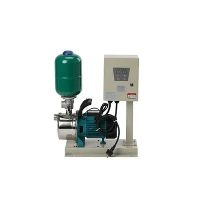
Selecting the appropriate paint for a water pump pressure tank is a crucial decision that can significantly impact the tank's longevity, performance, and appearance. As a supplier of Water Pump Pressure Tanks, I understand the importance of making the right choice, as it directly affects our customers' satisfaction and the overall quality of the products we provide. In this blog, I'll delve into the different types of paints available and provide insights to help you decide which one is best suited for your water pump pressure tank.
Factors to Consider When Choosing Paint
Before diving into the types of paint, it's essential to understand the factors that influence the paint selection process. These factors include:
- Corrosion Resistance: Water pump pressure tanks are often exposed to moisture, which can lead to corrosion over time. The paint you choose should provide a high level of corrosion resistance to protect the tank from rust and other forms of damage.
- Durability: The paint should be able to withstand the rigors of daily use, including exposure to temperature changes, pressure fluctuations, and physical abrasion.
- Compatibility: The paint must be compatible with the material of the water pump pressure tank, whether it's steel, stainless steel, or another metal.
- Regulatory Compliance: If the tank is used for potable water, the paint must comply with relevant health and safety regulations to ensure the water remains safe for consumption.
Types of Paint for Water Pump Pressure Tanks
Epoxy Paint
Epoxy paint is a popular choice for water pump pressure tanks due to its excellent corrosion resistance and durability. It forms a hard, protective coating that adheres well to metal surfaces, providing long-lasting protection against rust and other forms of damage. Epoxy paint is also resistant to chemicals, making it suitable for use in environments where the tank may come into contact with harsh substances.
One of the key advantages of epoxy paint is its ability to create a seamless, waterproof barrier. This helps prevent moisture from reaching the metal surface of the tank, reducing the risk of corrosion. Epoxy paint is available in both solvent-based and water-based formulations. Solvent-based epoxy paints typically offer better durability and chemical resistance, but they also emit more volatile organic compounds (VOCs) during application. Water-based epoxy paints are more environmentally friendly and easier to clean up, but they may not be as durable as their solvent-based counterparts.


Polyurethane Paint
Polyurethane paint is another excellent option for water pump pressure tanks. It offers high levels of abrasion resistance, making it suitable for tanks that are likely to experience physical wear and tear. Polyurethane paint also provides good UV resistance, which helps prevent the paint from fading or deteriorating when exposed to sunlight.
One of the benefits of polyurethane paint is its flexibility. It can expand and contract with the tank as it is subjected to temperature changes and pressure fluctuations, reducing the risk of cracking or peeling. Polyurethane paint is available in a variety of finishes, including glossy, semi-glossy, and matte, allowing you to choose the appearance that best suits your needs.
Ceramic Paint
Ceramic paint is a relatively new option for water pump pressure tanks, but it has gained popularity due to its exceptional durability and heat resistance. Ceramic paint forms a hard, ceramic-like coating on the surface of the tank, providing excellent protection against corrosion, abrasion, and high temperatures.
One of the key advantages of ceramic paint is its low coefficient of friction. This means that water can flow more easily through the tank, reducing the risk of blockages and improving the efficiency of the water pump. Ceramic paint is also resistant to chemicals and UV radiation, making it suitable for use in a wide range of environments.
Application Considerations
Once you've chosen the right type of paint for your water pump pressure tank, it's important to follow the correct application procedures to ensure the best results. Here are some tips to keep in mind:
- Surface Preparation: Before applying the paint, the surface of the tank must be thoroughly cleaned and prepared. This may involve sanding, degreasing, and priming the surface to ensure good adhesion.
- Application Method: The paint can be applied using a brush, roller, or spray gun. The method you choose will depend on the size and shape of the tank, as well as your personal preference.
- Number of Coats: Most paints require at least two coats to provide adequate protection. Make sure to allow each coat to dry completely before applying the next one.
- Curing Time: After applying the paint, it's important to allow it to cure properly. This may take several days or even weeks, depending on the type of paint and the environmental conditions.
Additional Considerations for Tank Accessories
In addition to choosing the right paint for the water pump pressure tank itself, it's also important to consider the accessories that are used in conjunction with the tank. For example, temperature sensors, pressure transmitters, and five-way valves are all important components of a water pump system. These accessories should also be protected from corrosion and other forms of damage.
For temperature sensors, you can find a reliable option at Temperature Sensor. These sensors are designed to accurately measure the temperature of the water in the tank, ensuring optimal performance and safety.
The VLF-516 Pressure Transmitter is a high-quality pressure measurement device that can be used to monitor the pressure inside the water pump pressure tank. It provides accurate and reliable pressure readings, helping to ensure the proper functioning of the water pump system.
If you need a reliable five-way valve for your water pump system, consider the Stainless Steel Five-Way. This valve is made from high-quality stainless steel, providing excellent corrosion resistance and durability.
Conclusion
Choosing the right type of paint for your water pump pressure tank is a critical decision that can have a significant impact on the tank's performance and longevity. By considering factors such as corrosion resistance, durability, compatibility, and regulatory compliance, you can select the paint that best meets your needs. Whether you choose epoxy paint, polyurethane paint, or ceramic paint, following the correct application procedures is essential to ensure the best results.
If you're in the market for a water pump pressure tank or need advice on paint selection, I encourage you to reach out to us. We're a leading supplier of water pump pressure tanks and can provide you with the products and expertise you need to make the right choice. Contact us today to start a discussion about your specific requirements and let's work together to find the best solution for your water pump system.
References
- "Corrosion Protection for Metal Surfaces." ASTM International.
- "Paint Selection and Application Guidelines for Industrial Equipment." NACE International.
- "Water Quality and Safety Regulations for Potable Water Tanks." Environmental Protection Agency.