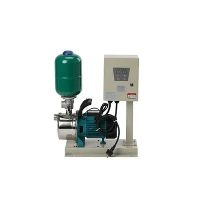
When it comes to using a water pump VFD inverter in a high - altitude area, there are several special considerations that must be taken into account. As a supplier of water pump VFD inverters, I've encountered numerous situations where customers in high - altitude regions faced unique challenges. In this blog, I'll delve into these considerations to help you make informed decisions when using our products in such areas.
1. Altitude and Air Density
One of the most significant factors affected by high altitude is air density. As altitude increases, air density decreases. This has a direct impact on the cooling efficiency of the VFD inverter. Most VFD inverters rely on air cooling to dissipate the heat generated during operation. With lower air density, the ability of the air to carry away heat is reduced.
For instance, at sea - level, the air is denser, and it can effectively absorb and transfer heat from the inverter's components. However, in high - altitude areas, say above 1000 meters, the reduced air density means that the same volume of air can carry less heat. This can lead to overheating of the inverter, which may cause malfunctions or even permanent damage to the electronic components.
To address this issue, we recommend derating the inverter. Derating involves reducing the rated power of the inverter to ensure that it operates within a safe temperature range. For every 1000 meters above sea - level, a derating factor of about 5 - 10% is typically applied. This adjustment helps to limit the heat generation and compensates for the reduced cooling capacity due to lower air density.
2. Insulation and Dielectric Strength
High - altitude environments also pose challenges to the insulation and dielectric strength of the VFD inverter. The lower air pressure at high altitudes can cause partial discharges to occur more easily. Partial discharges are small electrical discharges that can gradually erode the insulation materials of the inverter.
The dielectric strength of air, which is the maximum electric field that air can withstand without breaking down, decreases with increasing altitude. This means that the insulation materials in the inverter need to be more robust to prevent electrical breakdown. Our Variable Frequency Pump Constant Voltage Controller is designed with enhanced insulation materials to withstand the reduced dielectric strength at high altitudes. These materials are carefully selected to have a higher resistance to partial discharges, ensuring the long - term reliability of the inverter in high - altitude areas.
3. Humidity and Temperature Variations
High - altitude areas often experience significant humidity and temperature variations. During the day, the temperature can be relatively high, especially in sunny regions, while at night, it can drop drastically. These temperature fluctuations can cause condensation inside the inverter enclosure.
Condensation can lead to corrosion of the electronic components and short - circuits. To prevent this, our VFD inverters are equipped with moisture - resistant coatings on the circuit boards. Additionally, proper ventilation design is crucial to allow any accumulated moisture to escape. The New LCD Display Inverter has a sealed enclosure design that helps to protect the internal components from humidity and dust, which are common issues in high - altitude environments.
4. Voltage Fluctuations
Power supply in high - altitude areas may be more prone to voltage fluctuations. The long - distance power transmission lines in these regions, combined with the variable load demand, can result in unstable voltage levels. VFD inverters are sensitive to voltage variations, and excessive voltage fluctuations can damage the inverter's power modules.
Our water pump VFD inverters are designed with advanced voltage regulation capabilities. They can automatically adjust to a certain range of voltage fluctuations, ensuring stable operation of the water pump. For example, the 220V Water Pump Speed Drive Inverter has a wide input voltage range, which allows it to tolerate small to moderate voltage variations without compromising performance.
5. Environmental Conditions
High - altitude areas are often exposed to harsh environmental conditions such as strong winds, sandstorms, and extreme cold. These conditions can physically damage the inverter if it is not properly protected.
Our inverters are built with rugged enclosures that can withstand these environmental challenges. The enclosures are designed to be dust - proof and water - resistant, protecting the internal components from the ingress of sand and water. They also have shock - absorbing features to withstand the vibrations caused by strong winds or seismic activity, which are more common in high - altitude mountainous regions.
6. Communication and Monitoring
In high - altitude areas, communication and monitoring of the water pump VFD inverter can be more challenging. The remote location and difficult terrain may make it difficult to establish a reliable communication link.
We offer inverters with multiple communication options, including wireless communication technologies. These options allow for remote monitoring and control of the inverter, even in areas with limited infrastructure. With our monitoring systems, you can easily check the operating status of the inverter, adjust the parameters, and receive real - time alerts in case of any malfunctions.
Conclusion
Using a water pump VFD inverter in a high - altitude area requires careful consideration of several factors. From air density and insulation to humidity, voltage fluctuations, and environmental conditions, each aspect can significantly impact the performance and reliability of the inverter.
As a leading supplier of water pump VFD inverters, we have designed our products to address these challenges. Our Variable Frequency Pump Constant Voltage Controller, New LCD Display Inverter, and 220V Water Pump Speed Drive Inverter are engineered to provide reliable and efficient operation in high - altitude environments.
If you are planning to use a water pump VFD inverter in a high - altitude area, we encourage you to contact us for a detailed consultation. Our team of experts can help you select the right product and provide you with all the necessary support for installation and maintenance. We are committed to providing you with the best solutions for your water pumping needs in high - altitude regions.


References
- "Electrical Equipment in High - Altitude Environments" - IEEE Standards Association
- "Thermal Management of Electronic Devices in Low - Air - Density Conditions" - Journal of Thermal Engineering
- "Insulation Design for High - Altitude Electrical Applications" - International Journal of Electrical Insulation