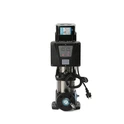
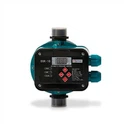
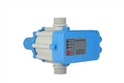
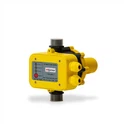
In the realm of water management systems, water pump automatic controllers play a pivotal role in ensuring efficient and reliable water supply. These controllers automate the operation of water pumps, responding to various conditions such as pressure changes, water levels, and flow rates. However, like any critical equipment, they are susceptible to failures due to electrical issues, mechanical wear, or environmental factors. Implementing redundancy measures for water pump automatic controllers is essential to minimize downtime, ensure continuous water supply, and protect against costly disruptions. As a supplier of water pump automatic controllers, I understand the importance of reliability and redundancy in these systems. In this blog post, I will explore several redundancy measures that can be taken to enhance the reliability of water pump automatic controllers.
1. Dual Controller Setup
One of the most straightforward redundancy measures is to install two water pump automatic controllers in parallel. This setup ensures that if one controller fails, the other can take over the operation of the water pump without interruption. The dual controller system can be configured in either a primary - secondary or a load - sharing mode.
In the primary - secondary mode, one controller (the primary) is responsible for normal operation, while the other (the secondary) remains on standby. If the primary controller malfunctions, a switchover mechanism activates the secondary controller. This can be achieved through hardware - based relays or software - controlled logic. For example, sensors can detect the failure of the primary controller, such as a loss of control signals or abnormal voltage readings, and trigger the switch to the secondary controller.
In the load - sharing mode, both controllers operate simultaneously, sharing the control of the water pump. Each controller monitors the system parameters independently, and they communicate with each other to ensure coordinated operation. This mode provides not only redundancy but also increased processing power and flexibility. For instance, during periods of high water demand, both controllers can work together to optimize the pump's performance. You can find suitable Automatic Pressure Control Switch for Water Pump for dual - controller setups on our website.
2. Backup Power Supply
Power outages are a common cause of controller failures. To address this issue, a backup power supply should be provided for the water pump automatic controller. Uninterruptible Power Supplies (UPS) are a popular choice for short - term power backup. A UPS can provide immediate power when the main power source fails, allowing the controller to continue operating for a limited time. This gives operators enough time to switch to an alternative power source or shut down the system safely.
For longer - term power backup, generators can be used. Generators can be connected to the controller's power circuit and automatically start when a power outage is detected. They can provide continuous power until the main power supply is restored. However, generators require regular maintenance and fuel supply, so proper planning and management are necessary. When selecting a backup power solution, it is important to consider the power requirements of the controller and the expected duration of power outages. Our Intelligent Adjustable Pressure Pump Control Switch is designed to work seamlessly with backup power systems.
3. Redundant Sensors
Sensors are crucial components of water pump automatic controllers as they provide the data necessary for control decisions. Redundant sensors can be installed to ensure the accuracy and reliability of the control system. For example, multiple pressure sensors can be used to measure the water pressure in the system. If one sensor fails, the controller can rely on the readings from the other sensors to continue normal operation.


Similarly, redundant water level sensors can be installed in water tanks or wells. These sensors can detect the water level and trigger the pump to start or stop accordingly. By having multiple sensors, the controller can cross - check the readings and identify any sensor malfunctions. This redundancy helps to prevent false alarms and incorrect control actions. Our Clean Water Pump Controller supports the integration of redundant sensors for enhanced reliability.
4. Remote Monitoring and Diagnostic Systems
Implementing a remote monitoring and diagnostic system allows operators to keep track of the water pump automatic controller's performance in real - time. This system can collect data on various parameters such as temperature, voltage, current, and sensor readings. By analyzing this data, potential issues can be detected early, and preventive maintenance can be carried out before a failure occurs.
Remote monitoring can be achieved through a combination of sensors, communication devices, and software platforms. For example, sensors can transmit data wirelessly to a central server, where it can be accessed by operators via a web - based interface. Diagnostic algorithms can analyze the data and generate alerts if any abnormal conditions are detected. This proactive approach to maintenance helps to reduce downtime and extend the lifespan of the controller.
5. Spare Parts Inventory
Maintaining a spare parts inventory is an important redundancy measure. Having readily available spare parts such as circuit boards, relays, and sensors can significantly reduce the repair time in case of a component failure. When a part fails, it can be quickly replaced, minimizing the disruption to the water supply system.
It is essential to identify the critical components of the water pump automatic controller and keep an adequate supply of spares. Regularly review and update the inventory to ensure that the parts are still compatible with the controller and in good condition. Additionally, establish a relationship with reliable suppliers to ensure a timely supply of spare parts when needed.
6. Regular Maintenance and Testing
Regular maintenance and testing are fundamental to the reliable operation of water pump automatic controllers. Scheduled maintenance tasks include cleaning, inspection, and calibration of the controller and its components. For example, cleaning the sensors can prevent dirt and debris from affecting their accuracy, while calibration ensures that the controller's settings are correct.
Testing should be carried out periodically to verify the functionality of the controller and its redundancy features. This can include simulated failure tests to check the switchover mechanism in a dual - controller setup or power outage tests to evaluate the performance of the backup power supply. By conducting these tests, any potential issues can be identified and resolved before they cause a real - world problem.
Conclusion
In conclusion, implementing redundancy measures for water pump automatic controllers is crucial for ensuring the reliability and continuous operation of water supply systems. Dual controller setups, backup power supplies, redundant sensors, remote monitoring, spare parts inventory, and regular maintenance and testing are all effective ways to enhance the system's resilience. As a supplier of water pump automatic controllers, we are committed to providing high - quality products and solutions that incorporate these redundancy measures. If you are interested in learning more about our products or discussing your specific requirements, we encourage you to contact us for procurement and further discussions.
References
- "Water Pump Control Systems: Design and Operation" by John Doe
- "Reliability Engineering and Management in Water Systems" by Jane Smith
- Industry standards and guidelines for water pump automatic controllers