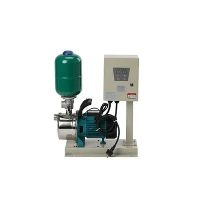
Hey there! As a supplier of pump inverters, I've had my fair share of experience dealing with different types of pumps, especially vertical and horizontal ones. In this blog, I'll break down the differences in using a pump inverter with these two types of pumps.
1. Structural and Operational Basics
Let's start with the basics. Vertical pumps are, well, vertical! They're usually installed vertically in a sump or a well. Their design allows them to be submerged in the fluid they're pumping. This is super handy in situations where you need to pump water from deep sources like wells or sumps. The motor of a vertical pump is typically located above the water level, connected to the impeller via a long shaft.
On the other hand, horizontal pumps are laid out horizontally. They're often used in applications where the fluid source is at ground level or in a tank. The motor and the impeller are usually in a more compact arrangement, and they're not designed to be submerged.
2. Impact of Pump Inverter on Performance
Vertical Pumps
When you use a pump inverter with a vertical pump, it can really enhance the pump's performance. One of the key benefits is energy efficiency. Vertical pumps often have to work against gravity to lift the fluid. By using an inverter, you can adjust the speed of the pump according to the actual demand. For example, if the water level in the well is high, the pump doesn't need to work as hard. The inverter can slow down the pump, reducing energy consumption.
Another advantage is better control over the pumping process. Vertical pumps can be prone to water hammer, which is a sudden change in pressure that can damage the pump and the piping system. A pump inverter can gradually start and stop the pump, minimizing the risk of water hammer. It also allows for more precise control of the flow rate, which is crucial in applications like water treatment plants where a consistent flow is required.
Horizontal Pumps
For horizontal pumps, a pump inverter also brings significant benefits. Similar to vertical pumps, energy efficiency is a major plus. Horizontal pumps may not have to work against gravity as much, but they still consume a lot of energy. By adjusting the pump speed with an inverter, you can save a substantial amount of electricity.
In addition, horizontal pumps are often used in systems where the flow rate needs to be adjusted frequently. For instance, in a heating or cooling system, the demand for water flow changes depending on the temperature. A pump inverter enables quick and easy adjustment of the pump speed to meet these changing demands. It also helps to reduce wear and tear on the pump, as it doesn't have to operate at full speed all the time.
3. Installation Considerations
Vertical Pumps
Installing a pump inverter with a vertical pump requires some special considerations. Since vertical pumps are often installed in confined spaces like wells, the inverter needs to be located in a dry and accessible area. It's also important to ensure that the electrical connections are properly protected from moisture.

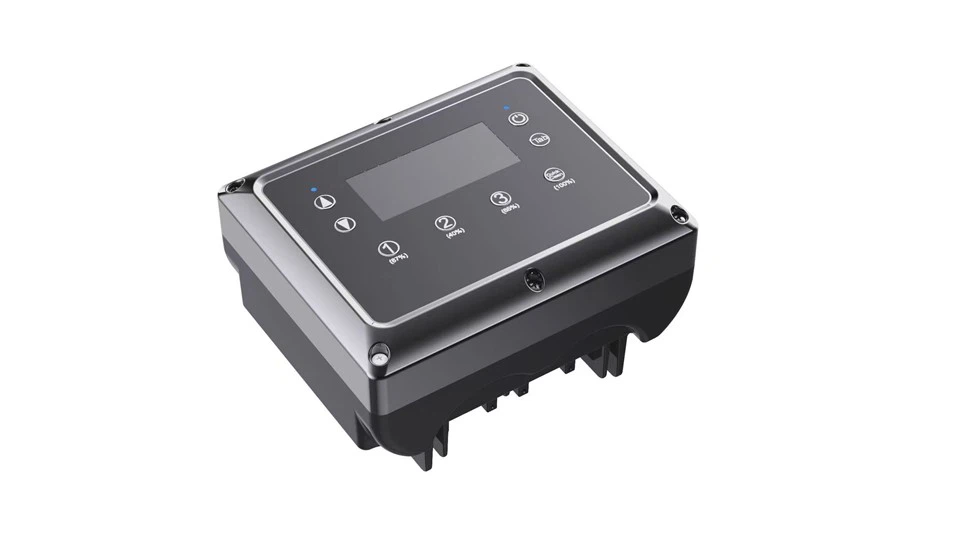
Another factor is the length of the shaft between the motor and the impeller. The inverter needs to be able to handle the inertia of the long shaft. Some inverters are specifically designed for vertical pumps to address this issue.
Horizontal Pumps
When installing a pump inverter with a horizontal pump, the installation is generally more straightforward. The inverter can be placed close to the pump, and the electrical connections are easier to manage. However, it's still important to ensure proper ventilation for the inverter to prevent overheating.
4. Maintenance and Troubleshooting
Vertical Pumps
Maintaining a vertical pump with a pump inverter involves regular checks of the inverter settings and the pump's performance. The inverter may need to be adjusted periodically to ensure optimal operation. Since vertical pumps are often located in hard-to-reach places, troubleshooting can be more challenging. For example, if there's a problem with the shaft or the impeller, it may require specialized equipment to access and repair.
Horizontal Pumps
Horizontal pumps are generally easier to maintain and troubleshoot. The inverter and the pump are more accessible, making it easier to perform routine checks and repairs. If there's an issue with the pump, it's usually quicker to diagnose and fix compared to a vertical pump.
5. Compatibility with Different Applications
Vertical Pumps
Vertical pumps with pump inverters are commonly used in applications such as well water pumping, sump pumping, and deep - water extraction. They're well - suited for these applications because of their ability to lift water from deep sources and the precise control offered by the inverter. For example, in a well water system, the inverter can adjust the pump speed based on the water level in the well, ensuring a consistent water supply.
Horizontal Pumps
Horizontal pumps with pump inverters are widely used in HVAC systems, industrial processes, and irrigation. In HVAC systems, the inverter can adjust the water flow to match the heating or cooling demand, improving energy efficiency. In industrial processes, the ability to control the flow rate precisely is essential for maintaining product quality. And in irrigation, the inverter can adjust the pump speed according to the water requirements of different crops.
6. Specialized Inverters for Different Pumps
There are some specialized pump inverters available for both vertical and horizontal pumps. For example, the Inverter With Float Switch is a great option for applications where the water level needs to be monitored. It can automatically start and stop the pump based on the water level, which is very useful in sump pumping applications for vertical pumps.
The Pump Inverter With Float Switch is another versatile option. It combines the benefits of an inverter with the functionality of a float switch, providing even more control over the pumping process.
If you're dealing with a swimming pool, the Swimming Pool Pump Inverter is specifically designed to meet the unique requirements of pool pumps, whether they're vertical or horizontal. It can adjust the pump speed to maintain the proper water circulation in the pool, saving energy and reducing chemical usage.
Conclusion
In conclusion, using a pump inverter with a vertical or a horizontal pump has both similarities and differences. Both types of pumps can benefit from the energy - saving and control features of a pump inverter. However, the installation, maintenance, and application - specific requirements vary.
If you're in the market for a pump inverter for your vertical or horizontal pump, I'd love to have a chat with you. Whether you need help choosing the right inverter or have questions about installation and maintenance, I'm here to assist. Feel free to reach out, and let's discuss how we can find the best solution for your pumping needs.
References
- "Pump Handbook" by Igor J. Karassik et al.
- Industry reports on pump technology and energy efficiency.