A Variable Frequency Drive (VFD) water pump is a sophisticated piece of equipment that combines the principles of fluid dynamics and electrical engineering to efficiently move water. As a leading VFD water pump supplier, I am often asked about the components that make up these remarkable devices. In this blog post, I will delve into the key components of a VFD water pump, explaining their functions and how they work together to ensure optimal performance.
1. Pump Body
The pump body is the outer casing of the VFD water pump, which houses all the internal components. It is typically made of durable materials such as cast iron, stainless steel, or plastic, depending on the application and the environment in which the pump will be used. The pump body is designed to withstand the pressure and forces generated by the pumping process, as well as to protect the internal components from damage.
The shape and design of the pump body can vary depending on the type of pump. For example, centrifugal pumps, which are the most common type of VFD water pumps, have a volute-shaped pump body that helps to increase the pressure of the water as it is pumped. Positive displacement pumps, on the other hand, have a more complex pump body design that is tailored to the specific type of positive displacement mechanism used, such as a piston, diaphragm, or gear.
2. Impeller
The impeller is one of the most critical components of a VFD water pump. It is a rotating device that is responsible for imparting kinetic energy to the water, causing it to move through the pump. The impeller consists of a series of curved blades that are attached to a central hub. As the impeller rotates, the blades push the water radially outward, increasing its velocity and pressure.
The design of the impeller can have a significant impact on the performance of the pump. Factors such as the number of blades, the shape of the blades, and the diameter of the impeller all affect the flow rate, head, and efficiency of the pump. For example, an impeller with more blades will generally provide a higher head but a lower flow rate, while an impeller with fewer blades will provide a higher flow rate but a lower head.
3. Motor
The motor is the power source of the VFD water pump. It converts electrical energy into mechanical energy, which is used to drive the impeller. Most VFD water pumps use electric motors, which can be either single-phase or three-phase, depending on the power requirements of the pump.
The motor is connected to the impeller through a shaft, which transfers the rotational motion from the motor to the impeller. The motor is also equipped with a bearing system that supports the shaft and reduces friction, ensuring smooth and efficient operation.
One of the key advantages of using a VFD water pump is that the motor can be controlled by a variable frequency drive. The VFD allows the speed of the motor to be adjusted, which in turn allows the flow rate and pressure of the pump to be controlled. This provides significant energy savings, as the pump can be operated at the optimal speed for the specific application, rather than running at a fixed speed all the time.
4. Variable Frequency Drive (VFD)
The variable frequency drive is a sophisticated electronic device that controls the speed of the motor by varying the frequency and voltage of the electrical power supplied to the motor. The VFD consists of three main components: a rectifier, an inverter, and a control circuit.
The rectifier converts the incoming AC power into DC power. The inverter then converts the DC power back into AC power, but at a variable frequency and voltage. The control circuit monitors the speed and load of the motor and adjusts the frequency and voltage of the AC power accordingly, ensuring that the motor operates at the desired speed.
The VFD provides several benefits for VFD water pumps. It allows for precise control of the pump's flow rate and pressure, which can improve the efficiency of the pumping system and reduce energy consumption. It also provides soft-start and soft-stop capabilities, which can reduce the mechanical stress on the pump and motor, extending their lifespan. Additionally, the VFD can protect the motor from overcurrent, overvoltage, and other electrical faults, ensuring reliable operation.
5. Controller
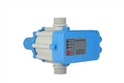
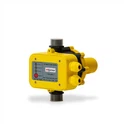
The controller is an optional component that can be used to further enhance the functionality of the VFD water pump. It provides a user interface that allows the operator to monitor and control the pump's operation. The controller can display information such as the flow rate, pressure, temperature, and motor speed, as well as allow the operator to set the desired operating parameters.
Some controllers also have advanced features such as remote monitoring and control, which allow the pump to be monitored and controlled from a remote location using a computer or mobile device. This can be particularly useful for large-scale pumping systems or for applications where the pump is located in a remote or inaccessible area.
6. Sensors
Sensors are used to monitor various parameters of the VFD water pump and the pumping system. They provide feedback to the controller and the VFD, allowing them to adjust the pump's operation accordingly. Common sensors used in VFD water pumps include pressure sensors, flow sensors, temperature sensors, and level sensors.
Pressure sensors measure the pressure of the water at various points in the pumping system. They can be used to ensure that the pump is operating within the desired pressure range and to detect any blockages or leaks in the system. Flow sensors measure the flow rate of the water through the pump. They can be used to control the pump's speed and to ensure that the required flow rate is maintained.
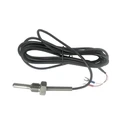
Temperature sensors monitor the temperature of the motor and other components of the pump. They can be used to detect overheating and to prevent damage to the pump. Level sensors are used to monitor the water level in a tank or reservoir. They can be used to control the pump's operation based on the water level, ensuring that the tank does not overflow or run dry.
7. Seals and Gaskets
Seals and gaskets are used to prevent the leakage of water from the pump. They are typically made of rubber or other flexible materials and are installed at various joints and connections in the pump. The seals and gaskets must be able to withstand the pressure and temperature of the water, as well as the chemical properties of the water if it contains any contaminants.
Proper maintenance of the seals and gaskets is essential to ensure the reliable operation of the pump. Over time, the seals and gaskets can wear out or become damaged, leading to leakage. Regular inspection and replacement of the seals and gaskets can help to prevent this problem.
Types of VFD Water Pumps
As a VFD water pump supplier, we offer a wide range of VFD water pumps to meet the diverse needs of our customers. Some of our popular products include:
- Self-priming Permanent Magnetic Frequency Conversion Pump: This type of pump is designed to be self-priming, which means it can automatically remove air from the suction line and start pumping water without the need for external priming. The permanent magnetic motor provides high efficiency and reliable operation.
- High-Power Self-Priming Permanent Magnet Variable Frequency Pumps: These pumps are suitable for applications that require high flow rates and high pressures. The high-power permanent magnet motor and the self-priming design make them ideal for large-scale pumping systems.
- Lightweight Self-Priming Permanent Magnet Variable Frequency Pumps: These pumps are designed for applications where portability and ease of use are important. The lightweight design and the self-priming feature make them suitable for small-scale pumping tasks.
Conclusion
In conclusion, a VFD water pump is a complex device that consists of several key components, each of which plays a crucial role in its operation. The pump body, impeller, motor, variable frequency drive, controller, sensors, and seals and gaskets all work together to ensure efficient and reliable water pumping.


As a VFD water pump supplier, we are committed to providing high-quality products and excellent customer service. Our VFD water pumps are designed to meet the highest standards of performance, efficiency, and reliability. Whether you need a small-scale pump for a residential application or a large-scale pump for an industrial application, we have the right solution for you.
If you are interested in learning more about our VFD water pumps or would like to discuss your specific pumping requirements, please feel free to contact us. We look forward to working with you to find the best pumping solution for your needs.
References
- Pump Handbook, 4th Edition, by Igor Karassik, Joseph P. Messina, Paul Cooper, and Charles C. Heald.
- Variable Frequency Drives: Application, Maintenance, and Troubleshooting, by Dan M. Ionel and Ion Boldea.
- Electrical Machines and Drives: A First Course, by J. R. Hendershot Jr. and T. Miller.