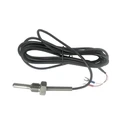
When it comes to managing water levels in various applications, a water pump float switch is an indispensable component. As a supplier of water pump float switches, I understand the importance of choosing the right one for your specific needs. In this blog post, I'll share some key factors to consider when making this crucial decision.
Understanding the Basics of Water Pump Float Switches
Before delving into the selection process, it's essential to have a clear understanding of what a water pump float switch is and how it works. A water pump float switch is a device that controls the operation of a water pump based on the water level in a tank, sump, or other water-containing vessel. It consists of a float that rises and falls with the water level, activating or deactivating the pump as needed.
There are two main types of water pump float switches: vertical and horizontal. Vertical float switches are typically used in deep tanks or sumps, where the float moves up and down along a vertical rod. Horizontal float switches, on the other hand, are designed for use in shallow tanks or applications where the water level changes horizontally.
Factors to Consider When Choosing a Water Pump Float Switch
1. Application Requirements
The first step in choosing the right water pump float switch is to determine the specific application requirements. Consider the following factors:


- Type of liquid: Different liquids have different properties, such as viscosity, corrosiveness, and temperature. Make sure the float switch you choose is compatible with the liquid you'll be using it with.
- Water level range: Determine the minimum and maximum water levels that the float switch needs to control. This will help you choose a switch with the appropriate operating range.
- Pump capacity: Consider the capacity of the water pump that the float switch will be controlling. The switch should be able to handle the electrical load of the pump without overheating or malfunctioning.
2. Switch Type
As mentioned earlier, there are two main types of water pump float switches: vertical and horizontal. Choose the type that best suits your application:
- Vertical float switches: These switches are ideal for deep tanks or sumps where the water level changes vertically. They are typically more accurate and reliable than horizontal float switches in these applications.
- Horizontal float switches: These switches are designed for use in shallow tanks or applications where the water level changes horizontally. They are often more compact and easier to install than vertical float switches.
3. Material and Construction
The material and construction of the float switch are important factors to consider, especially if it will be exposed to harsh environments or corrosive liquids. Look for a switch that is made from high-quality materials, such as stainless steel or plastic, and has a durable construction.
4. Electrical Rating
The electrical rating of the float switch is another important factor to consider. Make sure the switch is rated for the voltage and current of the water pump that it will be controlling. Using a switch with an inappropriate electrical rating can lead to overheating, malfunction, or even electrical shock.
5. Additional Features
Some water pump float switches come with additional features that can enhance their performance and functionality. Consider the following features:
- Adjustable setpoints: Some float switches allow you to adjust the water level setpoints, giving you more control over the operation of the pump.
- Alarm function: Some switches come with an alarm function that can alert you when the water level reaches a certain point. This can be useful in applications where you need to monitor the water level closely.
- Multiple floats: Some float switches come with multiple floats, allowing you to control the water level at different points in the tank or sump.
Related Products
In addition to water pump float switches, we also offer a range of related products that can enhance the performance and functionality of your water pump system. Check out the following products:
- Temperature Transmitter: A temperature transmitter can be used to monitor the temperature of the water in your tank or sump. This can be useful in applications where the temperature of the water needs to be controlled.
- Industrial Plastic Expansion Tank: An industrial plastic expansion tank can be used to absorb the pressure fluctuations in your water pump system. This can help to extend the life of your pump and prevent damage to your pipes and fittings.
- Protection Class IP68 Pressure Sensors: A protection class IP68 pressure sensor can be used to monitor the pressure of the water in your tank or sump. This can be useful in applications where the pressure of the water needs to be controlled.
Conclusion
Choosing the right water pump float switch is essential for ensuring the efficient and reliable operation of your water pump system. By considering the factors outlined in this blog post, you can make an informed decision and choose a switch that meets your specific needs.
If you have any questions or need further assistance in choosing the right water pump float switch or related products, please don't hesitate to contact us. We're here to help you find the best solution for your water pump system.