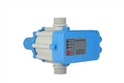
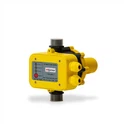
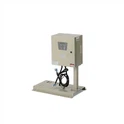
Hey there! As a supplier of pump inverters, I've seen firsthand how important it is to keep these devices in tip - top shape. A pump inverter is a crucial component in many systems, from swimming pools to industrial setups. In this blog, I'll share some common maintenance tasks for a pump inverter that you should know about.
Regular Visual Inspections
One of the simplest yet most effective maintenance tasks is regular visual inspections. You should check your pump inverter at least once a month. Look for any signs of physical damage, such as cracks in the casing, loose wires, or burnt components. If you spot any issues, it's important to address them right away.


For instance, a cracked casing can allow dust and moisture to enter the inverter, which can cause short - circuits and other problems. Loose wires can lead to poor electrical connections, resulting in reduced performance or even system failure. A burnt component is a clear sign that something has gone wrong, and you may need to replace it.
Cleaning the Inverter
Dust and dirt can accumulate on the pump inverter over time, which can affect its performance. To prevent this, you should clean the inverter regularly. Use a soft, dry cloth to wipe the exterior of the inverter. For the internal components, you can use compressed air to blow away any dust.
However, be careful when using compressed air. Make sure the inverter is turned off and unplugged before you start cleaning. Also, don't blow the air too hard, as this can damage the delicate components inside.
Checking the Cooling System
Most pump inverters have a cooling system to prevent overheating. This can be in the form of a fan or a heat sink. You need to check the cooling system regularly to make sure it's working properly.
If you have a fan - cooled inverter, listen for any unusual noises coming from the fan. A noisy fan could indicate that it's about to fail. Also, check the fan blades for any dirt or debris that could be blocking the airflow.
For heat - sink - cooled inverters, check the heat sink for any signs of corrosion or damage. A damaged heat sink won't be able to dissipate heat effectively, which can cause the inverter to overheat.
Monitoring the Input and Output Parameters
It's important to monitor the input and output parameters of the pump inverter. This includes the voltage, current, and frequency. You can use a multimeter or a power analyzer to measure these parameters.
If the input voltage is too high or too low, it can damage the inverter. Similarly, if the output current is too high, it can cause the inverter to overheat. By monitoring these parameters regularly, you can detect any problems early and take corrective action.
Software Updates
Many modern pump inverters have software that can be updated. These updates can improve the performance of the inverter, add new features, or fix bugs. You should check the manufacturer's website regularly for any available software updates.
However, be careful when updating the software. Make sure you follow the manufacturer's instructions carefully. A wrong software update can cause the inverter to malfunction.
Testing the Protection Functions
Pump inverters are equipped with various protection functions, such as over - voltage protection, under - voltage protection, over - current protection, and over - temperature protection. You should test these protection functions regularly to make sure they're working properly.
To test the protection functions, you can simulate abnormal conditions. For example, you can increase the input voltage slightly to test the over - voltage protection. If the protection function works correctly, the inverter should shut down or take other appropriate action.
Inspecting the Float Switch (if applicable)
If you're using an Inverter With Float Switch, you need to inspect the float switch regularly. The float switch is used to control the operation of the pump based on the water level.
Check the float switch for any signs of damage or wear. Make sure it moves freely and that the contacts are clean. A faulty float switch can cause the pump to run continuously or not run at all.
Maintaining the LCD Display (if applicable)
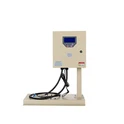
For New LCD Three - phase Inverters, the LCD display is an important part. You should keep the display clean and check for any signs of damage, such as dead pixels or a cracked screen.
If the display is hard to read, you may need to adjust the brightness or contrast settings. Also, make sure the display is properly connected to the inverter.
Calibration
Periodic calibration of the pump inverter is also necessary. Calibration ensures that the inverter is providing accurate output. You can use a calibrated test equipment to perform the calibration.
However, calibration can be a complex process, and it's often best to have it done by a professional. If you're not experienced in calibration, you could end up making the inverter's performance worse.
Lubrication (if applicable)
Some pump inverters may have moving parts that require lubrication. Check the manufacturer's manual to see if your inverter needs lubrication and what type of lubricant to use.
If lubrication is required, make sure you apply the lubricant correctly. Too much or too little lubricant can cause problems.
Storage Considerations
If you need to store the pump inverter for an extended period, there are some things you need to keep in mind. First, make sure the inverter is clean and dry before storing it. You can use a moisture - absorbing packet to prevent moisture from building up inside the inverter.
Store the inverter in a cool, dry place. Avoid storing it in an area with high humidity or extreme temperatures. Also, make sure the inverter is protected from dust and dirt.
When to Call a Professional
Sometimes, you may encounter problems with the pump inverter that you can't fix on your own. In these cases, it's best to call a professional. A professional technician has the knowledge and tools to diagnose and repair complex problems.
If you notice any of the following signs, it's time to call a professional:
- The inverter keeps tripping the circuit breaker.
- There are strange noises or smells coming from the inverter.
- The output parameters are way off from the normal values.
Conclusion
Maintaining a pump inverter is essential to ensure its long - term performance and reliability. By following these common maintenance tasks, you can keep your inverter in good condition and avoid costly repairs.
If you're in the market for a high - quality pump inverter, we've got you covered. We offer a wide range of pump inverters, including Swimming Pool Pump Inverters, Inverter With Float Switch, and New LCD Three - phase Inverters.
If you're interested in learning more about our products or have any questions about pump inverter maintenance, feel free to reach out to us. We're always happy to help you with your pump inverter needs. Let's start a conversation and see how we can meet your requirements.
References
- Pump Inverter Manufacturer's Manuals
- Electrical Engineering Textbooks on Power Electronics
- Industry Standards for Pump Inverter Maintenance