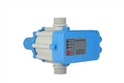
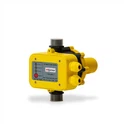
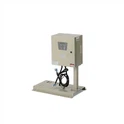
Hey there! As a supplier of Water Pump Pressure Controllers, I've seen a lot of folks scratching their heads when it comes to choosing the right one. It's not as simple as just picking any old controller off the shelf. There are a bunch of factors you need to consider to make sure you're getting the perfect fit for your needs. So, let's dive right in and break down how you can choose the right water pump pressure controller.
Understanding Your Water System
First things first, you gotta understand your water system. Is it for your home or a factory? Different settings have different requirements.
If it's for your home, you're probably looking for a Household Water Pump Controller. These are designed to handle the typical water demands of a household, like running the dishwasher, taking a shower, or watering the garden. They're usually more compact and less powerful than industrial controllers but are perfect for keeping your home's water pressure stable.
On the other hand, if you're dealing with a factory or a large commercial space, you'll need a Factory Water Pump Switch. These controllers are built to handle high volumes of water and can withstand the rigors of continuous operation. They're often more robust and have advanced features to ensure efficient water management in a large-scale environment.
Flow Rate and Pressure Requirements
Another crucial factor is the flow rate and pressure requirements of your water system. The flow rate is basically how much water your system needs to move per unit of time, usually measured in gallons per minute (GPM). The pressure, on the other hand, is the force that pushes the water through the pipes, measured in pounds per square inch (PSI).
To figure out your flow rate and pressure needs, you can look at the specifications of your water pump. Most pumps will have a rated flow rate and pressure that they can handle. You'll want to choose a pressure controller that can work within these limits. For example, if your pump has a maximum flow rate of 20 GPM and a pressure rating of 60 PSI, you'll need a controller that can regulate the pressure and flow within these parameters.
Type of Water Pump
The type of water pump you have also plays a big role in choosing the right pressure controller. There are different types of pumps, such as centrifugal pumps, submersible pumps, and jet pumps, each with its own characteristics and requirements.
Centrifugal pumps are the most common type and are often used in residential and commercial applications. They work by using a rotating impeller to create centrifugal force, which pushes the water out of the pump. For centrifugal pumps, you'll need a pressure controller that can handle the fluctuating flow and pressure that these pumps typically produce.
Submersible pumps are designed to be submerged in water and are commonly used in wells and boreholes. They require a pressure controller that can operate in a wet environment and can handle the specific pressure and flow requirements of submersible pumps.
Jet pumps, on the other hand, are used to draw water from a well or a low-lying source. They work by using a jet of water to create suction and draw the water into the pump. Jet pumps have different pressure and flow characteristics compared to other types of pumps, so you'll need a controller that's specifically designed for jet pumps.
Controller Features
When choosing a pressure controller, you'll also want to consider the features it offers. Some controllers come with basic features, such as pressure adjustment and on/off control, while others have more advanced features, such as automatic shut-off, pressure sensing, and variable speed control.
Automatic shut-off is a great feature to have, especially if you're worried about over-pressurizing your water system. It allows the controller to automatically turn off the pump when the pressure reaches a certain level, preventing damage to the pump and the pipes.


Pressure sensing is another important feature. It allows the controller to monitor the water pressure in real-time and adjust the pump's operation accordingly. This ensures that the water pressure remains stable and consistent, even when the demand for water changes.
Variable speed control is a more advanced feature that allows the controller to adjust the speed of the pump based on the water demand. This can help save energy and reduce wear and tear on the pump, as the pump only runs at the speed that's needed to meet the demand.
Compatibility
Finally, you'll want to make sure that the pressure controller you choose is compatible with your existing water system. This includes checking the electrical requirements, the size of the connections, and the type of pump you have.
Most pressure controllers are designed to work with standard electrical systems, but you'll still want to double-check the voltage and amperage requirements to make sure they match your system. You'll also need to make sure that the connections on the controller are the right size and type to fit your pump and pipes.
Making the Right Choice
Choosing the right water pump pressure controller can seem like a daunting task, but by considering these factors, you can make an informed decision. Remember to understand your water system, determine your flow rate and pressure requirements, consider the type of water pump you have, look at the controller features, and ensure compatibility with your existing system.
If you're still not sure which pressure controller is right for you, don't hesitate to reach out to us. As a supplier of Water Pump Pressure Controllers, we have the expertise and experience to help you find the perfect controller for your needs. Whether you're looking for a Household Water Pump Controller, a Factory Water Pump Switch, or a G1.25 Water Pump Controller, we can provide you with the information and support you need to make the right choice.
So, if you're ready to take the next step and find the perfect water pump pressure controller for your system, get in touch with us today. We're here to help you keep your water flowing smoothly and efficiently.
References
- Water Pump Handbook, Various Authors
- Pump Systems Matter, Energy.gov
- Plumbing Engineering Design Handbook, Various Authors