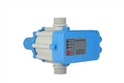
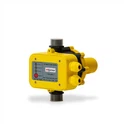
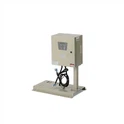
Achieving constant-pressure water supply is a crucial aspect in many applications, from residential buildings to large industrial complexes. And guess what? A water pump frequency inverter is the game-changer here. As a water pump frequency inverter supplier, I've seen firsthand how these devices can revolutionize water supply systems. In this blog, I'll walk you through how to achieve constant-pressure water supply using a water pump frequency inverter.
Understanding the Basics
Let's start with the fundamentals. A water pump frequency inverter is a device that controls the speed of an electric motor driving a water pump. By adjusting the frequency and voltage supplied to the motor, it can regulate the pump's flow rate and pressure. This ability to vary the pump's speed is what makes it possible to maintain a constant pressure in the water supply system.
In a traditional water supply system without a frequency inverter, the pump runs at a fixed speed. When the demand for water is low, the excess pressure can cause issues like pipe damage and water hammer. On the other hand, when the demand is high, the pressure may drop, leading to inadequate water supply. A frequency inverter solves these problems by adjusting the pump speed according to the actual water demand.
How Does It Work?
The key to achieving constant-pressure water supply with a water pump frequency inverter lies in its control strategy. Most frequency inverters use a closed-loop control system, which means they continuously monitor the pressure in the water supply system and adjust the pump speed accordingly.
Here's a step-by-step breakdown of how it works:
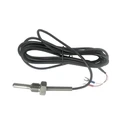
- Pressure Sensing: A pressure sensor is installed in the water supply pipeline. This sensor measures the actual pressure in the system and sends a signal to the frequency inverter.
- Setpoint Comparison: The frequency inverter compares the measured pressure with a pre-set pressure value (the setpoint). If the measured pressure is lower than the setpoint, it means the water demand is high, and the pump needs to run faster. If the measured pressure is higher than the setpoint, the pump speed needs to be reduced.
- Speed Adjustment: Based on the comparison result, the frequency inverter adjusts the frequency and voltage supplied to the pump motor. This changes the motor's speed, which in turn affects the pump's flow rate and pressure. The process is repeated continuously to maintain a constant pressure in the system.
Benefits of Using a Water Pump Frequency Inverter
There are several benefits to using a water pump frequency inverter for constant-pressure water supply:
- Energy Savings: By adjusting the pump speed according to the water demand, a frequency inverter can significantly reduce energy consumption. In fact, studies have shown that energy savings of up to 30 - 50% can be achieved compared to traditional fixed-speed pumps.
- Extended Pump Life: Running the pump at a lower speed when the demand is low reduces wear and tear on the pump components, extending its lifespan.
- Improved Water Quality: A constant-pressure water supply system ensures a more stable flow of water, which can help prevent the growth of bacteria and other contaminants in the pipes.
- Reduced Maintenance Costs: With less stress on the pump and pipes, the need for maintenance and repairs is also reduced.
Choosing the Right Water Pump Frequency Inverter
When it comes to choosing a water pump frequency inverter, there are several factors to consider:
- Power Rating: Make sure the inverter has a power rating that matches the pump motor's power requirements. Using an inverter with a lower power rating can cause overheating and damage to the inverter, while an inverter with a higher power rating may be more expensive than necessary.
- Control Features: Look for an inverter with advanced control features, such as PID control, which can provide more precise pressure regulation.
- Compatibility: Ensure that the inverter is compatible with the pump motor and the water supply system. Some inverters may require additional sensors or controllers to work properly.
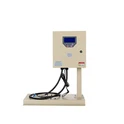
As a supplier, I offer a range of water pump frequency inverters to meet different needs. For example, our Pump LCD Display Variable Speed Drive features a user-friendly LCD display that allows for easy operation and monitoring. Our High-Power Water Pump Inverter is suitable for large-scale water supply systems, while the 110V Water Pump Inverter Controller is ideal for small residential applications.


Installation and Commissioning
Proper installation and commissioning are essential for the optimal performance of a water pump frequency inverter. Here are some tips:
- Follow the Manufacturer's Instructions: Make sure to read and follow the installation and commissioning instructions provided by the inverter manufacturer. This will ensure that the inverter is installed correctly and operates safely.
- Check the Electrical Connections: Before powering on the inverter, double-check all the electrical connections to ensure they are secure and free of damage.
- Calibrate the Pressure Sensor: The pressure sensor needs to be calibrated correctly to ensure accurate pressure measurement. Follow the calibration procedure in the inverter manual.
- Test the System: After installation, test the water supply system to make sure the inverter is working properly and maintaining a constant pressure.
Troubleshooting
Even with proper installation and commissioning, issues may still arise. Here are some common problems and their solutions:
- Low Pressure: If the water pressure is lower than the setpoint, check the pump motor for any issues, such as a faulty motor or a clogged impeller. Also, make sure the pressure sensor is working correctly.
- High Pressure: High pressure can be caused by a malfunctioning pressure sensor or an incorrect setpoint. Check the sensor and adjust the setpoint if necessary.
- Inverter Faults: If the inverter displays a fault code, refer to the inverter manual for troubleshooting instructions. In some cases, you may need to contact the manufacturer or a qualified technician for assistance.
Conclusion
Achieving constant-pressure water supply with a water pump frequency inverter is not only possible but also highly beneficial. By understanding how these devices work, choosing the right one for your needs, and ensuring proper installation and maintenance, you can enjoy a reliable and efficient water supply system.
If you're interested in learning more about our water pump frequency inverters or have any questions about achieving constant-pressure water supply, feel free to reach out. We're here to help you find the best solution for your water supply needs and can discuss your specific requirements in detail. Let's work together to optimize your water supply system!
References
- “Variable Frequency Drives for Pump Applications,” Pump Handbook, McGraw-Hill.
- “Energy-Efficient Pumping Systems,” Hydraulic Institute.