Hey there! As a supplier of Water Pump Pressure Controllers, I've seen firsthand how different environmental factors can impact the performance of these nifty devices. One factor that often gets overlooked but can have a significant effect is high temperature. In this blog, I'll break down exactly how high temperatures can mess with the performance of a water pump pressure controller and what you can do about it.
First off, let's understand what a water pump pressure controller does. Simply put, it's a device that regulates the pressure in a water pump system. It ensures that the pump turns on when the pressure drops below a certain level and turns off when it reaches a preset maximum. This helps in maintaining a consistent water pressure in your home, office, or industrial setting. Now, let's dive into how high temperatures come into play.
Electrical Components and High Temperatures
One of the main ways high temperatures affect a water pump pressure controller is by impacting its electrical components. Most controllers are made up of various electronic parts like sensors, relays, and circuit boards. These components are designed to operate within a specific temperature range. When the temperature rises above this range, things can start to go haywire.
For example, the resistance of electrical conductors increases with temperature. This means that the wires and traces on the circuit board can heat up even more, leading to power losses and reduced efficiency. In extreme cases, the increased resistance can cause the components to overheat and fail. The sensors, which are crucial for measuring the pressure accurately, can also be affected. High temperatures can cause the sensor readings to become inaccurate, leading to improper control of the pump.
Another issue is with the relays. Relays are used to switch the pump on and off based on the pressure readings. High temperatures can cause the relay contacts to wear out faster. The heat can make the metal contacts expand and contract, leading to pitting and arcing. This not only reduces the lifespan of the relay but can also cause intermittent operation of the pump.


Thermal Expansion and Mechanical Parts
Apart from the electrical components, high temperatures can also affect the mechanical parts of the water pump pressure controller. Many controllers have diaphragms or pistons that respond to changes in pressure. These parts are usually made of rubber or plastic materials. When exposed to high temperatures, these materials can expand and lose their elasticity.
A diaphragm that has lost its elasticity may not be able to respond accurately to pressure changes. This can result in the controller not turning the pump on or off at the right time. The seals and gaskets in the controller can also be affected. High temperatures can cause the seals to dry out and crack, leading to leaks. This not only reduces the efficiency of the controller but can also cause damage to other parts of the water pump system.
Impact on the Pump Itself
The performance of the water pump pressure controller is closely linked to the pump itself. High temperatures can indirectly affect the pump through the controller. If the controller is not functioning properly due to high temperatures, the pump may run for longer periods than necessary or not start at all. This can lead to increased wear and tear on the pump motor.
Running the pump for extended periods can cause it to overheat, which can damage the motor windings and bearings. On the other hand, if the pump fails to start when needed, it can lead to a lack of water pressure in the system. This can be a major inconvenience, especially in applications where a consistent water supply is crucial.
How to Mitigate the Effects of High Temperatures
So, what can you do to protect your water pump pressure controller from high temperatures? One option is to ensure proper ventilation. Make sure that the controller is installed in a well-ventilated area. Avoid placing it in direct sunlight or near sources of heat like boilers or furnaces. You can also use heat sinks or fans to dissipate the heat.
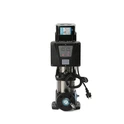
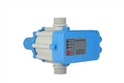
Another important step is to choose a controller that is designed to withstand high temperatures. At our company, we offer a range of controllers that are built to operate in harsh environments. For example, our 110V Water Pump Electronic Pressure Switch is designed with high-quality components that can handle elevated temperatures. It has been tested to ensure reliable performance even in hot conditions.
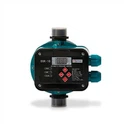
If you're in an area with extremely high temperatures, you may also want to consider using a controller with a temperature compensation feature. This feature adjusts the pressure settings based on the temperature, ensuring accurate control of the pump. Our Clean Pump Controller with European Plug is one such product that offers temperature compensation.
Regular maintenance is also crucial. Check the controller periodically for signs of overheating or damage. Clean the ventilation ports and make sure that the electrical connections are tight. If you notice any issues, replace the faulty components as soon as possible.
The Importance of Quality Certifications
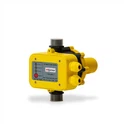
When choosing a water pump pressure controller, it's important to look for products that have quality certifications. Certifications like CE and TUV indicate that the product has been tested and meets certain safety and performance standards. Our Water Pump Pressure Controller with CE TUV Certificate is a reliable option that has undergone rigorous testing to ensure its quality and performance.
Conclusion
High temperatures can have a significant impact on the performance of a water pump pressure controller. From affecting the electrical components to causing mechanical problems, the heat can lead to reduced efficiency, inaccurate pressure control, and even premature failure of the controller. However, by taking the right precautions and choosing a high-quality controller, you can mitigate these effects and ensure a reliable water supply.
If you're in the market for a water pump pressure controller or have any questions about how to protect your existing controller from high temperatures, don't hesitate to reach out. We're here to help you find the right solution for your needs. Whether you're a homeowner, a business owner, or an industrial user, we have the expertise and products to meet your requirements. Let's work together to keep your water pump system running smoothly, even in the hottest conditions.
References
- Engineering textbooks on electrical and mechanical engineering principles.
- Manufacturer's manuals for water pump pressure controllers.
- Industry research on the effects of temperature on electronic and mechanical components.