Hey there! If you're in the market for a Variable Frequency Drive (VFD) Pump, you're probably wondering, "How much does it cost?" Well, you've come to the right place. I'm a supplier of VFD pumps, and I'm here to break down the costs and give you a better understanding of what goes into pricing these nifty devices.
First off, let's talk about what a VFD pump is. In simple terms, a VFD pump is a pump that can adjust its speed according to the demand. This means it can save energy and reduce wear and tear compared to traditional pumps that run at a constant speed. They're used in a wide range of applications, from industrial settings to household water systems.
So, what affects the cost of a VFD pump? There are several factors to consider:


1. Pump Size and Capacity
Just like with most things, the bigger the pump, the more it's going to cost. A small, low - capacity VFD pump might be suitable for a household water supply or a small - scale irrigation system. On the other hand, large - capacity pumps used in industrial processes like water treatment plants or large - scale manufacturing can be significantly more expensive.
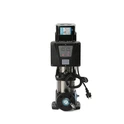
For example, a basic Household Variable Frequency Water Pump might cost anywhere from a few hundred dollars. These pumps are designed to provide a consistent water supply for your home, and they're relatively easy to install.
In contrast, an industrial - grade VFD pump with a high flow rate and pressure capabilities can cost thousands or even tens of thousands of dollars. The larger the pump's horsepower and the higher its flow rate, the more complex the engineering and the more expensive the materials used, which all contribute to the overall cost.
2. Brand and Quality
You know the saying, "You get what you pay for." Well, it definitely applies to VFD pumps. Established brands with a reputation for quality and reliability often charge more for their products. These brands have invested in research and development, and they use high - quality components in their pumps.
A well - known brand might offer better after - sales support, longer warranties, and more advanced features. For instance, some high - end brands offer Intelligent Variable Frequency Water Pump models that can be controlled remotely via a smartphone app. These smart features come at a premium, but they can offer greater convenience and energy savings in the long run.
Cheaper, no - name brands might seem like a good deal at first, but they may not last as long or perform as well. They could also have a higher risk of breakdowns, which could end up costing you more in the long term due to repair and replacement costs.
3. Frequency and Voltage Requirements
The frequency and voltage requirements of the pump can also impact the price. In most countries, the standard electrical frequency is either 50Hz or 60Hz. If you need a pump that operates at a specific frequency, like a 60HZ Frequency Conversion Water Pump, it might be more expensive.
Pumps that need to operate at higher voltages or have special electrical requirements also tend to cost more. This is because the electrical components need to be designed and built to handle the specific power conditions, which adds to the manufacturing complexity and cost.
4. Additional Features
VFD pumps can come with a variety of additional features that can affect the price. Some pumps have built - in sensors that can detect changes in pressure, flow rate, or temperature. These sensors allow the pump to adjust its speed automatically, providing more precise control and energy savings.
Other features might include soft - start capabilities, which reduce the stress on the pump and the electrical system when it starts up. Pumps with advanced motor protection features, such as over - current and over - temperature protection, are also likely to be more expensive.
Pricing Ranges
As I mentioned earlier, the cost of a VFD pump can vary widely. Here's a rough breakdown of the pricing ranges you can expect:
- Low - end, Small - Capacity Pumps: These are typically household or small - scale commercial pumps. They can cost anywhere from $200 to $1000. These pumps are usually suitable for applications like supplying water to a single - family home or a small greenhouse.
- Mid - range Pumps: These pumps are often used in small to medium - sized industrial applications or larger residential complexes. They can range from $1000 to $5000. Mid - range pumps usually have better performance, more features, and higher reliability compared to low - end models.
- High - end, Industrial - Grade Pumps: These are the big boys. They're used in large - scale industrial processes, such as water treatment, mining, and manufacturing. The cost of these pumps can start at $5000 and go up to tens of thousands of dollars, depending on the size, capacity, and features.
Cost - Benefit Analysis
When considering the cost of a VFD pump, it's important to look beyond the initial purchase price. VFD pumps can offer significant energy savings over time. By adjusting the pump's speed to match the demand, they use less electricity compared to traditional pumps that run at a constant speed.
In addition, VFD pumps can reduce wear and tear on the pump and the associated plumbing system. This means fewer breakdowns and lower maintenance costs in the long run. So, even though a VFD pump might cost more upfront, it can end up saving you money over its lifespan.
Conclusion
So, there you have it. The cost of a Variable Frequency Drive Pump depends on a variety of factors, including size, brand, frequency requirements, and additional features. Whether you're looking for a small household pump or a large industrial - grade pump, there's a VFD pump out there to suit your needs and budget.
If you're interested in purchasing a VFD pump, I'd be more than happy to help you find the right one for your application. We have a wide range of pumps in different sizes, capacities, and price ranges. Just reach out, and we can start a conversation about your specific requirements and get you the best deal possible.
References
- Industry reports on pump manufacturing and pricing
- Manufacturer's specifications and product brochures