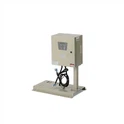
Hey there! As a supplier of water pump inverters, I've been getting a lot of questions lately about how these nifty devices adjust a pump's flow rate. So, I thought I'd take a few minutes to break it down for you in plain English.
First off, let's talk about what a water pump inverter is. In simple terms, it's a device that controls the speed of an electric motor that powers a water pump. By adjusting the motor's speed, the inverter can regulate the flow rate of the water being pumped. This is super useful in a variety of applications, from residential water supply systems to large-scale industrial processes.
So, how does it actually work? Well, it all comes down to the principles of electrical engineering. Most water pumps are powered by three-phase AC motors. These motors work by using a rotating magnetic field to turn the motor shaft. The speed of the motor is determined by the frequency of the AC power supply. In a standard power grid, the frequency is usually fixed at 50 or 60 Hz, depending on your location.
A water pump inverter, on the other hand, can vary the frequency of the power supplied to the motor. By increasing or decreasing the frequency, the inverter can make the motor run faster or slower. And since the flow rate of a pump is directly related to the speed of the motor, this means that the inverter can adjust the flow rate of the pump accordingly.
Let's say you have a water pump that's designed to supply water to a building. During the day, when there's a high demand for water, you might want the pump to run at full speed to ensure that there's enough water pressure. But at night, when the demand is lower, you can reduce the speed of the pump to save energy. This is where a water pump inverter comes in handy. You can program the inverter to adjust the pump's speed based on the time of day, the water pressure, or other factors.
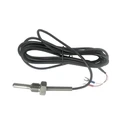
There are a few different ways that a water pump inverter can adjust the pump's flow rate. One common method is to use a pressure sensor. The sensor measures the water pressure in the system and sends a signal to the inverter. If the pressure is too low, the inverter will increase the speed of the motor to boost the flow rate. If the pressure is too high, the inverter will decrease the speed of the motor to reduce the flow rate.
Another method is to use a flow sensor. This sensor measures the actual flow rate of the water and sends a signal to the inverter. The inverter can then adjust the motor speed to maintain a constant flow rate, regardless of changes in the system's pressure or other factors.
Some water pump inverters also have built-in algorithms that can optimize the pump's performance based on the specific requirements of the application. For example, they might be able to automatically adjust the pump's speed to compensate for changes in the water level in a tank or to minimize energy consumption.
Now, let's talk about some of the benefits of using a water pump inverter to adjust the pump's flow rate. One of the biggest advantages is energy savings. By running the pump at the optimal speed, you can reduce the amount of electricity it consumes. This not only saves you money on your energy bills but also helps to reduce your carbon footprint.
Another benefit is improved system performance. By maintaining a constant flow rate and pressure, a water pump inverter can ensure that your water supply system operates more efficiently. This can help to prevent issues such as water hammer, which can damage pipes and other components in the system.
In addition, a water pump inverter can provide better control and flexibility. You can easily adjust the pump's flow rate and pressure to meet the changing needs of your application. This can be especially useful in applications where the demand for water varies throughout the day or week.


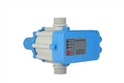
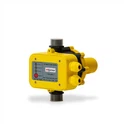
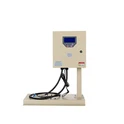
If you're in the market for a water pump inverter, we've got some great options for you. Check out our New Three-phase Water Pump Inverter. It's a high-quality inverter that's designed to provide reliable and efficient operation. We also have the Pump Constant Pressure Variable Speed Drive Inverter, which is perfect for applications where you need to maintain a constant water pressure. And if you're looking for a more user-friendly option, take a look at our Wall-mounted LCD Screen Inverter. It features a convenient LCD screen that makes it easy to program and monitor the inverter.
If you're interested in learning more about our water pump inverters or have any questions about how they work, don't hesitate to get in touch. We'd be happy to help you find the right solution for your needs. Whether you're a homeowner, a business owner, or an industrial operator, we've got the expertise and the products to meet your requirements.
In conclusion, a water pump inverter is a powerful tool that can help you adjust the flow rate of your water pump and improve the efficiency of your water supply system. By understanding how it works and the benefits it offers, you can make an informed decision about whether it's the right choice for you. So, if you're looking to save energy, improve performance, and gain more control over your water pump, consider investing in a water pump inverter today.
References:
- Principles of Electric Machines and Power Electronics by P. C. Sen
- Pump Handbook by Igor J. Karassik et al.