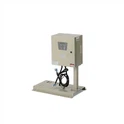
Hey there! I'm a supplier of water pump pressure tanks, and I'm super excited to share with you how these nifty devices can save you a ton of energy. Let's dive right in!
How Water Pump Pressure Tanks Work
First off, let's understand what a water pump pressure tank is and how it functions. A water pump pressure tank is like a buffer between your water pump and the plumbing system in your home or business. It stores water under pressure, so when you turn on a faucet or a shower, you don't have to wait for the pump to kick in every single time.
Here's the basic process. When the water pressure in the tank drops below a certain level (usually set by a pressure switch), the pump turns on and fills the tank with water. As the water level rises, the pressure in the tank also increases. Once the pressure reaches a pre - set upper limit, the pump shuts off. This cycle repeats as you use water.
Energy Savings Through Reduced Pump Cycling
One of the main ways a water pump pressure tank saves energy is by reducing the number of times the pump has to turn on and off, also known as pump cycling. Every time a pump starts, it draws a large amount of electrical current. This is called the inrush current, and it's much higher than the current needed to keep the pump running once it's already started.
Think about it like a car. It takes more gas to start a car from a stop than it does to keep it moving at a steady speed. The same principle applies to water pumps. When you have a pressure tank, the pump can run for longer periods when it's on, and then stay off for longer periods when it's not needed. This reduces the overall energy consumption because you're minimizing those high - energy start - up phases.
For example, without a pressure tank, a small leak in your plumbing might cause the pump to turn on and off every few minutes. Each time it starts, it's using a lot of extra energy. But with a pressure tank, the tank can supply water to make up for the small leak without the pump having to start up. The pump only kicks in when the pressure in the tank drops significantly, which happens less frequently.
Maintaining Consistent Water Pressure
Another energy - saving benefit of a water pump pressure tank is that it helps maintain a consistent water pressure throughout your plumbing system. When the water pressure is consistent, your appliances and fixtures that use water operate more efficiently.
Take a dishwasher or a washing machine as an example. These appliances are designed to work at a specific water pressure. If the water pressure is too low, they might not clean your dishes or clothes as effectively, and they might have to run for longer periods to get the job done. This means they're using more energy.
On the other hand, if the water pressure is too high, it can cause damage to your plumbing fixtures and appliances over time. A water pump pressure tank helps keep the water pressure within the optimal range, so your appliances can work at their best and use less energy in the process.
Compatibility with Other Water Pump Accessories
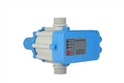
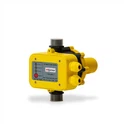
Water pump pressure tanks work great in conjunction with other water pump accessories, which can further enhance energy savings. For instance, a Deep Well Pump Control Box can help regulate the operation of your pump more precisely. It can ensure that the pump starts and stops at the right times based on the pressure in the tank.
The VLF - 516 Pressure Transmitter is another useful accessory. It can accurately measure the pressure in the tank and send signals to the pump control system. This allows for more accurate control of the pump, which can lead to better energy management.
And let's not forget about the Water Pump Pressure Gauge. It gives you a visual indication of the pressure in the tank. By monitoring the pressure gauge, you can make sure that the tank is operating within the correct pressure range. If the pressure is too high or too low, you can adjust the settings of your pump or the tank accordingly to optimize energy usage.
Real - World Energy Savings Examples
Let's look at some real - world scenarios to see just how much energy a water pump pressure tank can save. Suppose you have a well - water system in a small home. Without a pressure tank, the pump might run for a few seconds every time you turn on a faucet. Over the course of a day, this could add up to several hours of pump operation.


But with a properly sized pressure tank, the pump might only run for a few minutes at a time, and then stay off for long periods. This could reduce the pump's daily operating time from several hours to just an hour or less. Depending on the size and power of the pump, this could result in significant energy savings over the course of a month or a year.
In a commercial setting, the savings can be even more substantial. A large building with multiple plumbing fixtures and high water demand can benefit greatly from a water pump pressure tank. By reducing pump cycling and maintaining consistent water pressure, the building can save a significant amount of money on its energy bills.
Conclusion
So, there you have it! A water pump pressure tank is a simple yet effective way to save energy in your water system. By reducing pump cycling, maintaining consistent water pressure, and working well with other water pump accessories, it can make your water pump more efficient and help you save money on your energy bills.
If you're interested in learning more about water pump pressure tanks or are thinking about purchasing one for your home or business, I'd love to have a chat with you. Just reach out, and we can discuss your specific needs and how a water pump pressure tank can work for you. Let's start saving energy together!
References
- ASHRAE Handbook of Fundamentals
- Pump Systems Matter: Best Practices for Pumping System Energy Savings