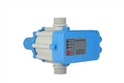
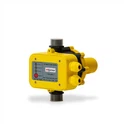
Hey there! As a supplier of Water Pump Pressure Sensors, I often get asked about how to install these nifty devices in a water tank. It might seem like a daunting task at first, but with the right guidance, you'll have it up and running in no time. So, let's dive right in!
What You'll Need
Before you start the installation process, it's important to gather all the necessary tools and materials. Here's a quick list:
- Water Pump Pressure Sensor: Obviously, you'll need the sensor itself. We offer a wide range of high-quality sensors that are suitable for different types of water tanks and pumping systems.
- Wrenches: You'll need a set of wrenches to loosen and tighten the nuts and bolts during the installation.
- Teflon Tape: This tape helps to create a watertight seal between the sensor and the water tank or piping.
- Electrical Wires and Connectors: To connect the sensor to the control system or pump, you'll need some electrical wires and appropriate connectors.
- Multimeter: A multimeter is useful for testing the electrical connections and ensuring that the sensor is working properly.
Step 1: Turn Off the Power
Safety first! Before you start working on the water tank or the pump, make sure to turn off the power supply. This will prevent any electrical shocks or accidents during the installation process. Locate the circuit breaker or switch that controls the pump and switch it off.
Step 2: Locate the Installation Point
The next step is to find the right location to install the water pump pressure sensor. Ideally, the sensor should be installed close to the pump or on the main water line leading to the tank. This will ensure that it can accurately measure the pressure in the system.
Make sure the installation point is easily accessible and free from any obstructions. Avoid installing the sensor in areas where it might be exposed to excessive heat, vibration, or moisture.
Step 3: Prepare the Installation Site
Once you've located the installation point, you'll need to prepare the site for the sensor. If there's an existing pressure gauge or switch at the location, use a wrench to remove it. Clean the threads of the fitting to ensure a proper seal.
Wrap some Teflon tape around the threads of the sensor in a clockwise direction. This will help to prevent any leaks when the sensor is installed.
Step 4: Install the Pressure Sensor
Now it's time to install the water pump pressure sensor. Carefully thread the sensor into the fitting on the water tank or piping. Use a wrench to tighten the sensor, but be careful not to overtighten it as this could damage the sensor or the fitting.
Once the sensor is securely installed, check for any leaks around the fitting. If you notice any leaks, use a little more Teflon tape and tighten the sensor a bit more.
Step 5: Connect the Electrical Wires
After the sensor is installed, you'll need to connect the electrical wires. Refer to the sensor's installation manual for the correct wiring diagram. In most cases, the sensor will have two or three wires: a power wire, a ground wire, and a signal wire.
Strip the ends of the wires and connect them to the appropriate terminals on the sensor. Use electrical connectors or solder the connections to ensure a secure and reliable connection.
Step 6: Connect to the Control System
Once the electrical wires are connected to the sensor, you'll need to connect the sensor to the control system or pump. This will allow the sensor to send signals to the pump and control the water pressure in the tank.
Depending on your system, you might need to use a relay, a controller, or a programmable logic controller (PLC) to interface with the sensor. Follow the manufacturer's instructions for connecting the sensor to the control system.
Step 7: Test the Sensor
After the installation is complete, it's time to test the water pump pressure sensor. Turn on the power supply to the pump and let the system run for a few minutes. Use a multimeter to check the voltage and resistance of the sensor to ensure that it's working properly.
Monitor the pressure readings on the sensor and compare them to the specifications of your system. If the readings are within the acceptable range, then the sensor is working correctly. If not, you might need to adjust the settings or troubleshoot the installation.
Step 8: Calibrate the Sensor (if necessary)
In some cases, you might need to calibrate the water pump pressure sensor to ensure accurate readings. Calibration involves adjusting the sensor's output to match the actual pressure in the system.
Refer to the sensor's installation manual for the calibration procedure. In most cases, you'll need to use a pressure gauge or a calibration device to calibrate the sensor. Follow the instructions carefully and make the necessary adjustments until the sensor's readings match the actual pressure.
Choosing the Right Pressure Sensor
When it comes to choosing a water pump pressure sensor, there are several factors to consider. Here are some tips to help you make the right choice:


- Pressure Range: Make sure to choose a sensor with a pressure range that is suitable for your system. If the pressure range is too low, the sensor might not be able to measure the pressure accurately. If the pressure range is too high, the sensor might be damaged by the high pressure.
- Accuracy: Look for a sensor with high accuracy to ensure reliable and precise pressure measurements. The accuracy of a sensor is usually expressed as a percentage of the full-scale range.
- Output Signal: Consider the type of output signal that the sensor provides. Common output signals include analog signals (such as 4-20 mA or 0-10 V) and digital signals (such as RS-485 or Modbus). Choose a sensor with an output signal that is compatible with your control system.
- Environmental Conditions: If the sensor will be installed in a harsh environment, such as outdoors or in a wet area, make sure to choose a sensor that is designed to withstand these conditions. Look for sensors with a high IP rating (Ingress Protection rating) to ensure protection against dust and water.
We offer a variety of water pump pressure sensors, including the Water Pump Pressure Gauge, VLF-516 Pressure Transmitter, and Adjustable Pump Mechanical Switch. These sensors are designed to provide accurate and reliable pressure measurements in a wide range of applications.
Conclusion
Installing a water pump pressure sensor in a water tank is a relatively straightforward process, but it's important to follow the steps carefully to ensure a successful installation. By choosing the right sensor, preparing the installation site properly, and following the wiring and calibration instructions, you can ensure that your water pump system operates efficiently and reliably.
If you have any questions or need further assistance with the installation or selection of a water pump pressure sensor, don't hesitate to contact us. We're here to help you find the right solution for your needs and ensure that your water pump system runs smoothly. Whether you're a homeowner, a contractor, or a business owner, we can provide you with the high-quality products and expert advice you need. Reach out to us today to start the procurement discussion and get the best water pump pressure sensors for your project.
References
- Manufacturer's installation manuals for water pump pressure sensors
- Electrical wiring and safety standards
- Industry best practices for water pump system installation and maintenance