Hey there! As a supplier of 380V water pump inverters, I often get asked if these inverters can be used in cold - climate environments. Well, let's dive right into it.


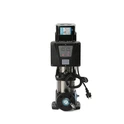
First off, what's a 380V water pump inverter? It's a device that controls the speed of a water pump motor by adjusting the frequency of the electrical power supplied to it. This helps in saving energy, reducing wear and tear on the pump, and providing a more stable water pressure. You can check out more about Water Pump Inverter on our website.
Now, let's talk about cold - climate environments. Cold weather can bring a whole bunch of challenges for electrical equipment. The most obvious one is the low temperature itself. When it gets really cold, the performance of electronic components can be affected. For example, the electrolytic capacitors in the inverter may have a reduced capacitance at low temperatures. This can lead to a decrease in the inverter's efficiency and may even cause it to malfunction.
Another issue is moisture. In cold climates, there's often a lot of moisture in the air, especially during winter. This moisture can condense on the inverter's circuit boards, which can cause short - circuits and corrosion. Corrosion can damage the electrical connections and components over time, reducing the lifespan of the inverter.
But don't worry! Our 380V water pump inverters are designed to handle these challenges. We've taken several measures to ensure their reliability in cold - climate environments.
Temperature Resistance
We use high - quality electronic components that are rated for low - temperature operation. These components are carefully selected to maintain their performance even in freezing temperatures. For instance, the capacitors we use have a wide operating temperature range, so they can function properly even when it's really cold outside.
Moisture Protection
To protect against moisture, our inverters are equipped with a sealed enclosure. This enclosure prevents moisture from getting inside the inverter and damaging the circuit boards. Additionally, we use special coatings on the circuit boards to provide an extra layer of protection against corrosion.
Insulation
Good insulation is crucial in cold - climate environments. Our inverters have excellent insulation properties to prevent heat loss and to protect the internal components from the cold. This helps in maintaining a stable operating temperature inside the inverter, even when the outside temperature drops significantly.
Let's also talk about some of the benefits of using a 380V water pump inverter in a cold - climate environment.
Energy Savings
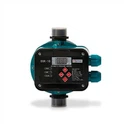
In cold weather, water demand may be lower. A water pump inverter allows you to adjust the pump's speed according to the actual water demand. This means that the pump doesn't have to run at full speed all the time, which can result in significant energy savings. You can learn more about energy - saving inverters like our Variable Frequency Pump Constant Voltage Controller.
Stable Water Pressure
Even in cold climates, you need a stable water supply. A water pump inverter can maintain a constant water pressure, regardless of the water demand. This is especially important in cold weather when you may need hot water for heating or other purposes.
Reduced Wear and Tear
By adjusting the pump's speed, the inverter reduces the stress on the pump motor. This means less wear and tear on the pump, which can extend its lifespan. In a cold - climate environment, where the pump may have to work harder due to the cold water and other factors, this is a huge advantage.
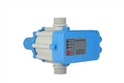
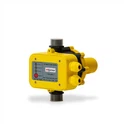
If you're using a water pump in your home in a cold - climate area, our Variable Frequency Pump Converter for Home Use is a great option. It's easy to install and can provide all the benefits we've talked about.
However, there are still some things you need to keep in mind when using a 380V water pump inverter in a cold - climate environment.
Installation Location
It's important to install the inverter in a dry and sheltered location. Avoid installing it in areas where it may be exposed to direct moisture, such as near a leaky roof or in a damp basement.
Regular Maintenance
Regular maintenance is essential to ensure the long - term performance of the inverter. You should check the inverter regularly for any signs of damage or corrosion. If you notice any issues, it's best to contact a professional for repairs.
Pre - heating
In extremely cold temperatures, it may be a good idea to pre - heat the inverter before starting it. This can help the internal components reach their optimal operating temperature more quickly.
In conclusion, a 380V water pump inverter can definitely be used in a cold - climate environment. Our inverters are designed to handle the challenges of cold weather, and they offer many benefits such as energy savings, stable water pressure, and reduced wear and tear.
If you're interested in purchasing a 380V water pump inverter for your cold - climate application, we'd love to have a chat with you. Contact us to start a discussion about your specific needs and how our products can meet them. We're here to help you find the best solution for your water pumping requirements.
References
- Electrical Engineering Handbook for Cold - Climate Applications
- Manufacturer's Guides on Water Pump Inverters