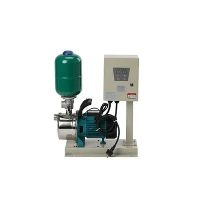
As a supplier of water pump pressure controllers, I often get asked if these controllers can be used in a multi - pump system. Well, the short answer is yes, but there's a lot more to it than that. Let's dive into the details.
Understanding Water Pump Pressure Controllers
First off, for those who might not be too familiar, a water pump pressure controller is a device that helps regulate the pressure of water in a pumping system. It keeps an eye on the water pressure and decides when the pump should turn on and off. This is super important because it ensures that the water pressure in your system stays at a consistent and safe level.
We offer a range of water pump pressure controllers, like the Household Water Pump Controller. It's perfect for small - scale applications, like in a home. Then there's the Clean Pump Controller with European Plug, which is great for areas that use European - style plugs and need a reliable controller for clean water pumping. And the Automatic Pump Pressure Switch is a classic choice that automatically adjusts the pump based on the water pressure.
How a Multi - Pump System Works
A multi - pump system consists of more than one pump working together. These systems are usually used in large - scale applications, such as industrial sites, big commercial buildings, or even large residential complexes. The idea behind a multi - pump system is to increase the overall capacity of the water supply. When one pump isn't enough to meet the demand, additional pumps can be brought into action.
Using a Pressure Controller in a Multi - Pump System
So, can a water pump pressure controller be used in a multi - pump system? Absolutely! In fact, it's quite beneficial.
1. Pressure Regulation
The main job of a pressure controller in a multi - pump system is to regulate the pressure. Just like in a single - pump system, it monitors the water pressure. When the pressure drops below a certain level, it can signal one or more pumps to turn on. And when the pressure reaches the set maximum, it shuts off the pumps. This ensures that the water pressure in the entire system remains stable, no matter how many pumps are in operation.
2. Energy Efficiency
Using a pressure controller in a multi - pump system can also lead to significant energy savings. Instead of running all the pumps all the time, the controller can start and stop pumps as needed. For example, during low - demand periods, only one or two pumps might be running. As the demand increases, the controller can bring in more pumps. This way, you're not wasting energy by running unnecessary pumps.
3. Pump Protection
Another advantage is pump protection. The pressure controller can prevent pumps from running dry or under extreme pressure conditions. If the water pressure gets too high, it can shut off the pumps to avoid damage. Similarly, if there's a risk of a pump running dry (which can be very harmful to the pump), the controller can take appropriate action.
Challenges and Considerations
Of course, using a pressure controller in a multi - pump system isn't without its challenges.
1. Compatibility
Not all pressure controllers are suitable for multi - pump systems. You need to make sure that the controller you choose is designed to handle multiple pumps. It should be able to communicate effectively with all the pumps and control them accurately.
2. System Design
The design of the multi - pump system also matters. The layout of the pipes, the location of the pumps, and the overall plumbing configuration can affect how the pressure controller works. You might need to work with a professional to ensure that the system is set up correctly.
3. Maintenance
Just like any other equipment, the pressure controller and the pumps in a multi - pump system need regular maintenance. This includes checking the controller settings, inspecting the pumps for wear and tear, and ensuring that all the connections are secure.
Case Studies
Let's look at a couple of real - world examples to see how using a pressure controller in a multi - pump system can work.


Industrial Plant
An industrial plant had a multi - pump system to supply water for its manufacturing processes. They were facing issues with inconsistent water pressure, which was affecting the quality of their products. After installing a pressure controller, the water pressure became much more stable. The controller was able to start and stop the pumps based on the demand, leading to better product quality and energy savings.
Large Residential Complex
A large residential complex had a multi - pump system to supply water to all the apartments. Before using a pressure controller, residents were complaining about low water pressure at certain times of the day. Once the pressure controller was installed, the pumps were managed more efficiently. The controller could bring in additional pumps during peak - demand hours, ensuring that all the residents had a consistent supply of water.
Conclusion
In conclusion, a water pump pressure controller can definitely be used in a multi - pump system, and it offers many benefits. It helps regulate pressure, saves energy, and protects the pumps. However, you need to be aware of the challenges and considerations, such as compatibility, system design, and maintenance.
If you're considering using a water pump pressure controller in your multi - pump system, or if you have any questions about our products, don't hesitate to get in touch. We're here to help you find the right solution for your needs. Whether it's a small - scale project or a large - scale industrial application, we have the expertise and the products to make your water pumping system work efficiently.
References
- Smith, J. (2020). "Water Pump Systems: Principles and Applications". Publisher: XYZ Publishing.
- Johnson, A. (2019). "Energy - Efficient Pumping Solutions". Journal of Pumping Technology, Vol. 15, Issue 2.