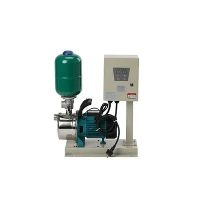
As a VFD water pump supplier, I understand that arranging the installation space for a VFD water pump is a crucial step that can significantly impact the pump's performance, efficiency, and lifespan. In this blog post, I will share some professional insights and practical tips on how to arrange the installation space for a VFD water pump effectively.
1. Understand the Pump's Requirements
Before you start planning the installation space, it's essential to have a clear understanding of the specific requirements of your VFD water pump. Different types of pumps, such as the Lightweight Self-Priming Permanent Magnet Variable Frequency Pumps, Self-priming Permanent Magnetic Frequency Conversion Pump, and Stainless Steel Permanent Magnetic Frequency Conversion Pump, may have different dimensions, weight, and operating conditions.
- Dimensions and Weight: Check the manufacturer's specifications for the exact dimensions and weight of the pump. This information will help you determine the amount of space needed for installation and ensure that the floor or platform can support the pump's weight.
- Operating Conditions: Consider the pump's operating temperature, humidity, and ventilation requirements. Some pumps may need to be installed in a well-ventilated area to prevent overheating, while others may require protection from moisture and dust.
2. Select the Right Location
The location of the pump installation is critical for its proper functioning and maintenance. Here are some factors to consider when choosing a location:
- Accessibility: The pump should be easily accessible for inspection, maintenance, and repair. Ensure that there is enough space around the pump for technicians to move freely and perform necessary tasks.
- Proximity to the Water Source: The pump should be located as close as possible to the water source to minimize the length of the suction pipe. This can reduce the risk of cavitation and improve the pump's efficiency.
- Avoidance of Vibration and Noise: Install the pump on a stable and vibration-free surface to reduce noise and prevent damage to the pump and surrounding equipment. If necessary, use vibration isolators or mounts to absorb vibrations.
- Protection from Environmental Factors: Protect the pump from extreme weather conditions, such as rain, snow, and direct sunlight. Consider installing the pump in an enclosed area or using a weatherproof cover.
3. Plan the Pipework
Proper pipework design is essential for the efficient operation of the VFD water pump. Here are some guidelines to follow when planning the pipework:


- Pipe Size: Select the appropriate pipe size based on the pump's flow rate and pressure requirements. Using pipes that are too small can increase the resistance and reduce the pump's efficiency, while pipes that are too large can be wasteful and costly.
- Pipe Material: Choose a pipe material that is compatible with the water being pumped and the operating conditions. Common pipe materials include PVC, stainless steel, and galvanized steel.
- Pipe Layout: Design the pipe layout to minimize bends, elbows, and valves, as these can increase the resistance and reduce the flow rate. Use straight pipes whenever possible and ensure that the pipes are properly supported to prevent sagging or vibration.
- Installation of Valves and Fittings: Install valves and fittings at appropriate locations to control the flow of water, isolate the pump for maintenance, and prevent backflow. Make sure that the valves and fittings are the correct size and type for the pump and pipework.
4. Provide Adequate Ventilation and Cooling
VFD water pumps generate heat during operation, and proper ventilation and cooling are essential to prevent overheating and damage to the pump and its components. Here are some ways to provide adequate ventilation and cooling:
- Natural Ventilation: If possible, install the pump in a well-ventilated area with natural airflow. This can help dissipate heat and maintain a comfortable operating temperature.
- Forced Ventilation: In some cases, natural ventilation may not be sufficient, and forced ventilation may be required. Use fans or blowers to circulate air around the pump and remove heat.
- Cooling Systems: Some VFD water pumps may require a cooling system, such as a water-cooled or air-cooled heat exchanger, to maintain a stable operating temperature. Follow the manufacturer's recommendations for the installation and operation of the cooling system.
5. Ensure Electrical Safety
Electrical safety is of utmost importance when installing a VFD water pump. Here are some safety measures to take:
- Proper Grounding: Ensure that the pump is properly grounded to prevent electrical shock and protect against electrical faults. Follow the electrical codes and regulations in your area for grounding requirements.
- Electrical Connections: Make sure that all electrical connections are tight and secure. Use appropriate wire sizes and insulation to prevent short circuits and electrical fires.
- Overcurrent Protection: Install overcurrent protection devices, such as circuit breakers or fuses, to protect the pump and electrical system from damage due to excessive current.
- Use of a VFD Panel: If the pump is equipped with a variable frequency drive (VFD), install it in a dedicated VFD panel. The panel should be properly ventilated and protected from dust and moisture.
6. Consider Future Expansion and Maintenance
When arranging the installation space for a VFD water pump, it's important to consider future expansion and maintenance needs. Here are some tips to keep in mind:
- Allow for Expansion: If there is a possibility of future expansion or upgrading of the pump system, leave enough space around the pump for additional equipment or modifications.
- Spare Parts Storage: Set aside a storage area for spare parts and consumables. This can ensure that replacement parts are readily available when needed and reduce downtime for maintenance and repair.
- Documentation: Keep detailed records of the pump installation, including the location, pipework layout, electrical connections, and maintenance history. This documentation can be useful for future reference and troubleshooting.
7. Seek Professional Assistance
If you are unsure about any aspect of the pump installation or if you encounter any difficulties, it's recommended to seek professional assistance. A qualified pump installer or engineer can provide expert advice and ensure that the pump is installed correctly and safely.
Conclusion
Arranging the installation space for a VFD water pump requires careful planning and consideration of various factors. By understanding the pump's requirements, selecting the right location, planning the pipework, providing adequate ventilation and cooling, ensuring electrical safety, and considering future expansion and maintenance, you can ensure the efficient and reliable operation of your pump system.
If you are in the market for a high-quality VFD water pump or need assistance with installation and maintenance, please feel free to contact us. Our team of experts is ready to help you find the best solution for your specific needs.
References
- Manufacturer's specifications for VFD water pumps.
- Electrical codes and regulations in your area.
- Industry standards and best practices for pump installation.