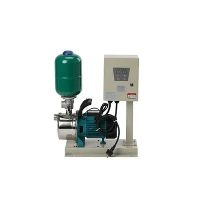
As a supplier of Stainless Steel Five-Way, I've witnessed firsthand the challenges and opportunities associated with managing the waste generated from these products. In this blog post, I'll share some insights on how to deal with the waste of Stainless Steel Five-Way effectively, ensuring both environmental sustainability and cost - efficiency.
Understanding the Waste of Stainless Steel Five - Way
Stainless Steel Five - Way is a crucial component in many industrial and commercial applications, especially in water pump systems. Over time, these parts may become obsolete, damaged, or simply reach the end of their service life. The waste generated from Stainless Steel Five - Way can include scrap metal, worn - out components, and sometimes even entire units.
The composition of stainless steel makes it a valuable material, but improper handling of the waste can lead to environmental pollution and resource loss. Stainless steel contains elements such as chromium, nickel, and iron, which can have a significant impact on the environment if not managed correctly.
Recycling: The First Step
Recycling is one of the most effective ways to deal with the waste of Stainless Steel Five - Way. Stainless steel is highly recyclable, and the recycling process can save a substantial amount of energy compared to producing new stainless steel from raw materials.


When recycling Stainless Steel Five - Way, the first step is to collect the waste. As a supplier, we can establish a collection system for our customers. We can offer incentives such as discounts on future purchases or free disposal services to encourage customers to return their used Stainless Steel Five - Way to us.
Once the waste is collected, it needs to be sorted and processed. Sorting is crucial to separate different grades of stainless steel and remove any non - stainless steel components. This can be done through manual inspection or using advanced sorting technologies such as magnetic separation and eddy current separation.
After sorting, the stainless steel waste is melted down in a furnace. The melting process requires high temperatures, but it allows for the purification of the metal and the removal of impurities. The recycled stainless steel can then be used to manufacture new Stainless Steel Five - Way or other stainless - steel products.
Reusing and Refurbishing
In some cases, the waste of Stainless Steel Five - Way may not need to be recycled immediately. Instead, it can be reused or refurbished. Reusing involves finding new applications for the existing components. For example, a damaged Stainless Steel Five - Way may still have some parts that are in good condition and can be used in other systems.
Refurbishing is a more in - depth process. It involves disassembling the Stainless Steel Five - Way, inspecting each component, and replacing any worn - out or damaged parts. After refurbishment, the product can be as good as new and can be sold at a lower price compared to a brand - new unit. This not only reduces waste but also provides cost - effective solutions for customers.
Minimizing Waste at the Source
Another important aspect of dealing with the waste of Stainless Steel Five - Way is to minimize waste at the source. As a supplier, we can take several measures to achieve this.
Firstly, we can improve the design of our Stainless Steel Five - Way products. By using high - quality materials and advanced manufacturing techniques, we can increase the durability and service life of the products. This reduces the frequency of replacement and, consequently, the amount of waste generated.
Secondly, we can provide better maintenance and repair services to our customers. By educating customers on how to properly maintain their Stainless Steel Five - Way, we can extend the lifespan of the products. Additionally, offering prompt repair services can prevent minor issues from becoming major problems that lead to product replacement.
The Role of Sensors in Waste Management
Sensors such as Temperature Sensor and Liquid Level Sensor can play a significant role in waste management. Temperature sensors can monitor the operating temperature of the Stainless Steel Five - Way. Abnormal temperature changes may indicate a problem with the product, such as overheating or a malfunction. By detecting these issues early, we can take preventive measures to avoid product failure and waste.
Liquid level sensors can be used to monitor the level of liquids in systems where Stainless Steel Five - Way is used. This helps in ensuring proper operation and preventing leaks or spills, which can lead to the premature replacement of the product.
Environmental and Economic Benefits
Properly dealing with the waste of Stainless Steel Five - Way offers both environmental and economic benefits. From an environmental perspective, recycling and reusing stainless steel reduce the demand for raw materials, conserve energy, and minimize pollution. This contributes to a more sustainable future.
Economically, recycling and refurbishing can save costs for both the supplier and the customer. Recycling stainless steel is generally less expensive than producing new stainless steel, and refurbished products can be sold at a lower price, providing cost - effective options for customers.
Contact for Procurement and Waste Management
If you are interested in purchasing high - quality Stainless Steel Five - Way or need assistance with waste management, please feel free to reach out. We are committed to providing the best products and services to meet your needs. Our team of experts can offer guidance on product selection, waste management strategies, and after - sales support.
References
- "Stainless Steel Recycling: An Overview", Journal of Materials Recycling, 2020
- "Sustainable Manufacturing of Stainless Steel Components", International Journal of Sustainable Engineering, 2019
- "The Role of Sensors in Industrial Waste Management", Sensor Technology Journal, 2021