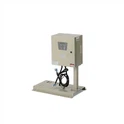
A water pump pressure controller is a crucial device in any water pumping system. It ensures that the water pump operates within a specific pressure range, which is essential for the efficient and safe functioning of the entire system. As a supplier of water pump pressure controllers, I have extensive knowledge and experience in this field. In this blog, I will discuss the typical pressure range of a water pump pressure controller and its significance.
Understanding the Basics of a Water Pump Pressure Controller
Before delving into the pressure range, it's important to understand what a water pump pressure controller does. Essentially, it monitors the pressure in the water system and controls the operation of the water pump accordingly. When the pressure drops below a certain level, the controller activates the pump to increase the pressure. Conversely, when the pressure reaches a predefined upper limit, the controller stops the pump to prevent over - pressurization.
Typical Pressure Range of a Water Pump Pressure Controller
The pressure range of a typical water pump pressure controller can vary depending on the application. However, for most residential and small - commercial water systems, the common pressure range is between 20 to 60 psi (pounds per square inch).
Lower Pressure Limit (Cut - In Pressure)
The lower pressure limit, also known as the cut - in pressure, is the point at which the water pump starts. In a typical system, this is usually set around 20 - 30 psi. For example, when you open a faucet in your house, the water flows out, and the pressure in the system drops. Once the pressure reaches the cut - in pressure, the pressure controller sends a signal to the water pump to start pumping water. This ensures that there is always an adequate supply of water at a reasonable pressure.
Upper Pressure Limit (Cut - Out Pressure)
The upper pressure limit, or the cut - out pressure, is the point at which the water pump stops. In most cases, it is set around 50 - 60 psi. When the pump has filled the water tank or built up enough pressure in the pipes, and the pressure reaches the cut - out pressure, the pressure controller shuts off the pump. This prevents the system from being over - pressurized, which could lead to pipe bursts, leaks, or damage to the pump itself.
Factors Affecting the Pressure Range
Several factors can influence the appropriate pressure range for a water pump pressure controller.
Type of Water System
The type of water system plays a significant role. For example, in a well - water system, the pressure range may need to be adjusted based on the depth of the well. Deeper wells require higher pressure to pump water to the surface, so the cut - in and cut - out pressures may be set higher compared to a shallow well or a municipal water system.
Number of Fixtures and Appliances
The number of water fixtures and appliances in a building also affects the pressure range. A large commercial building with numerous faucets, toilets, and industrial equipment will require a higher pressure to ensure proper water flow to all areas. In such cases, the pressure controller may need to be set to a wider or higher pressure range.
Pipe Size and Length
The size and length of the pipes in the water system can impact the pressure. Longer pipes or pipes with a smaller diameter can cause more friction, resulting in a greater pressure drop. To compensate for this, the pressure controller may need to be adjusted to maintain an adequate pressure at the fixtures.
Importance of the Correct Pressure Range
Maintaining the correct pressure range is vital for several reasons.
Efficient Water Use
An appropriate pressure range ensures that water is used efficiently. If the pressure is too low, water flow may be insufficient, leading to longer filling times for appliances and inconvenience for users. On the other hand, if the pressure is too high, it can cause excessive water flow, leading to wastage.
Equipment Longevity
The correct pressure range helps to extend the lifespan of the water pump and other components in the system. Over - pressurization can cause excessive wear and tear on the pump motor, seals, and valves, leading to premature failure. By keeping the pressure within the recommended range, the equipment operates under less stress, reducing the likelihood of breakdowns and costly repairs.
Safety
Proper pressure control is also essential for safety. High - pressure water can cause pipes to burst, which can lead to water damage in the building and pose a risk to occupants. By maintaining the correct pressure range, the risk of such accidents is minimized.
Our Product Offerings
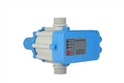
As a supplier of water pump pressure controllers, we offer a wide range of products to meet different needs. Our Water Pump Pressure Controller with CE TUV Certificate is a high - quality option that ensures reliable performance and compliance with international standards. It is suitable for various water systems, providing accurate pressure control within the desired range.


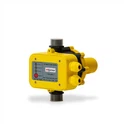
For those looking for a more cost - effective solution, our Factory Water Pump Switch is a great choice. It is designed for simplicity and durability, making it ideal for industrial and commercial applications.
We also offer a 24V DC Water Pump Switch, which is perfect for low - voltage applications, such as in RVs, boats, or small off - grid water systems.
Contact Us for Purchase and Consultation
If you are in the market for a water pump pressure controller or need advice on the appropriate pressure range for your water system, we are here to help. Our team of experts can provide you with detailed information and guidance to ensure that you select the right product for your specific requirements. Whether you are a homeowner, a contractor, or a business owner, we have the products and knowledge to meet your needs. Contact us today to start the procurement process and discuss how our water pump pressure controllers can improve the efficiency and performance of your water system.
References
- "Water Pump Handbook" by Igor J. Karassik et al.
- "Pump Engineering: Design and Application" by Heinz P. Bloch and Allan R. Budris.
- Technical documentation from leading water pump and pressure controller manufacturers.