As a proud supplier of Water Pump Pressure Tanks, I've been frequently asked about the lifespan of these essential components. In this blog, I'll delve into the factors that influence the lifespan of a water pump pressure tank, offer insights on how to extend its longevity, and share some practical tips for maintaining optimal performance.
Understanding Water Pump Pressure Tanks
Before we discuss their lifespan, it's crucial to understand what water pump pressure tanks are and how they function. A water pump pressure tank is a vital part of a water supply system. It stores water under pressure, reducing the frequency of pump cycling. This not only helps to maintain a consistent water pressure in your plumbing system but also protects the pump from premature wear and tear.
There are two main types of water pump pressure tanks: diaphragm tanks and bladder tanks. Diaphragm tanks have a flexible diaphragm that separates the water and air chambers, while bladder tanks use a replaceable rubber bladder for the same purpose. Both types serve the same fundamental function but may have different lifespans based on their design and construction.
Factors Affecting the Lifespan of a Water Pump Pressure Tank
Several factors can influence how long a water pump pressure tank lasts. Let's take a closer look at some of the most significant ones:
Quality of Construction
The quality of materials and workmanship used in manufacturing the tank plays a crucial role in determining its lifespan. Tanks made from high - grade materials, such as corrosion - resistant steel or durable plastics, are likely to last longer. Additionally, well - constructed tanks with proper seals and fittings are less prone to leaks and other issues that can shorten their lifespan.
Water Quality
The quality of the water in your system can have a significant impact on the tank's longevity. Water that is high in minerals, such as calcium and magnesium, can cause scale buildup inside the tank. This scale can damage the tank's interior surface, including the diaphragm or bladder, and reduce its efficiency over time. Similarly, water with high levels of chlorine or other chemicals can also corrode the tank's components.
Frequency of Use
How often the water pump pressure tank is used also affects its lifespan. Tanks that are used frequently, such as in commercial or industrial settings where there is a high demand for water, may experience more wear and tear than those in residential applications with lower usage. Frequent cycling of the pump can put additional stress on the tank's components, leading to a shorter lifespan.
Installation and Maintenance
Proper installation is essential for the long - term performance of a water pump pressure tank. Incorrect installation, such as improper mounting or incorrect pressure settings, can cause the tank to operate inefficiently and may lead to premature failure. Regular maintenance, including checking the pressure, inspecting for leaks, and replacing worn - out parts, can significantly extend the tank's lifespan.
Average Lifespan of a Water Pump Pressure Tank
On average, a well - maintained water pump pressure tank can last between 5 to 15 years. However, this can vary widely depending on the factors mentioned above. Diaphragm tanks may have a slightly shorter lifespan, typically around 5 to 10 years, while bladder tanks can last up to 15 years or more if properly cared for.
Extending the Lifespan of Your Water Pump Pressure Tank
As a supplier, I'm always eager to help my customers get the most out of their water pump pressure tanks. Here are some tips to extend the lifespan of your tank:
Monitor Water Quality
Regularly test your water for mineral content, pH levels, and the presence of chemicals. If your water has high mineral content, consider installing a water softener to prevent scale buildup. For water with high chemical levels, a filtration system may be necessary.


Check the Pressure Regularly
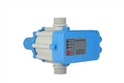
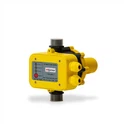
Use a Water Pump Pressure Gauge to monitor the pressure in your tank. The pressure should be within the manufacturer's recommended range. If the pressure is too high or too low, it can cause problems for the tank and the pump. Adjust the pressure as needed using an Adjustable Pump Mechanical Switch.
Inspect for Leaks
Periodically check the tank and its connections for leaks. A small leak can lead to significant problems over time, including water damage and reduced efficiency. If you notice any leaks, repair them immediately.
Replace Worn - Out Parts
Components such as the diaphragm, bladder, or pressure switch may wear out over time. Replace these parts as soon as you notice signs of damage or malfunction. Using high - quality replacement parts is essential for maintaining the tank's performance.
Proper Installation
Ensure that your water pump pressure tank is installed correctly by a professional. They will make sure that the tank is properly mounted, the pressure is set correctly, and all connections are secure. A stainless - steel Stainless Steel Five - Way can be a great addition to your installation for better system performance.
When to Replace Your Water Pump Pressure Tank
Despite your best efforts, there may come a time when you need to replace your water pump pressure tank. Here are some signs that it's time for a replacement:
- Frequent Pump Cycling: If your pump is cycling on and off more frequently than usual, it could be a sign that the tank is no longer holding pressure effectively.
- Loss of Water Pressure: A sudden or gradual decrease in water pressure throughout your plumbing system may indicate a problem with the tank.
- Visible Damage: If you notice any cracks, dents, or signs of corrosion on the tank, it's likely time for a replacement.
- Leaks: Persistent leaks that cannot be repaired are a clear indication that the tank needs to be replaced.
Conclusion
The lifespan of a water pump pressure tank depends on various factors, including quality of construction, water quality, frequency of use, and proper maintenance. By understanding these factors and following the tips outlined in this blog, you can extend the lifespan of your tank and ensure optimal performance for your water supply system.
If you're in the market for a new water pump pressure tank or need replacement parts, I'm here to help. As a trusted supplier, I offer a wide range of high - quality products to meet your needs. Whether you're a homeowner, a business owner, or a contractor, I can provide you with the right solutions for your water system. Contact me to discuss your requirements and start a purchase negotiation.
References
- "Water Pump Systems: Design, Installation, and Maintenance" - A comprehensive guidebook on water pump systems.
- Manufacturer's manuals for water pump pressure tanks, which provide detailed information on installation, operation, and maintenance.