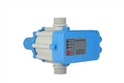
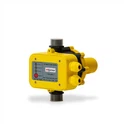
As a supplier of water pump pressure sensors, I often encounter questions from customers about the applicability of our products in various pump systems. One common query is whether a water pump pressure sensor can be used in a wastewater pump system. In this blog post, I'll delve into this topic, exploring the technical aspects, advantages, and potential challenges of using water pump pressure sensors in wastewater pump applications.
Understanding Water Pump Pressure Sensors
Before discussing their use in wastewater pump systems, it's essential to understand what water pump pressure sensors are and how they work. A water pump pressure sensor is a device that measures the pressure of water within a pump system. It converts the pressure into an electrical signal, which can then be used to control the operation of the pump. These sensors are crucial for maintaining optimal pressure levels, preventing over - pressurization or under - pressurization, and ensuring the efficient and safe operation of the pump.
There are different types of water pump pressure sensors, including piezoresistive sensors, capacitive sensors, and strain - gauge sensors. Piezoresistive sensors are widely used due to their high sensitivity, accuracy, and relatively low cost. They work based on the principle that the resistance of a piezoresistive material changes when it is subjected to pressure.
Wastewater Pump Systems: An Overview
Wastewater pump systems are designed to transport wastewater from one location to another, typically from a collection point (such as a sewage pit or a building's drainage system) to a treatment facility. These systems face unique challenges compared to clean water pump systems. Wastewater often contains solid particles, debris, and chemicals, which can cause abrasion, corrosion, and clogging in the pump and its components.
The operation of a wastewater pump system needs to be carefully controlled to ensure that the pump starts and stops at the appropriate times. For example, the pump should start when the wastewater level in the collection pit reaches a certain height and stop when the level drops to a safe level. Traditionally, Automatic Pump Mechanical Switch or Liquid Level Sensor have been used for this purpose. However, water pump pressure sensors can offer some distinct advantages in these systems.
Advantages of Using Water Pump Pressure Sensors in Wastewater Pump Systems
1. Accurate Pressure Monitoring
One of the primary advantages of using water pump pressure sensors in wastewater pump systems is the ability to accurately monitor the pressure within the system. Pressure changes can indicate various conditions, such as blockages in the pipes, changes in the flow rate, or the level of wastewater in the collection pit. By continuously monitoring the pressure, the sensor can provide real - time data that can be used to optimize the operation of the pump.
For example, if the pressure suddenly increases, it may indicate a blockage in the discharge pipe. The sensor can detect this change and send a signal to the pump control system, which can then take appropriate action, such as shutting down the pump to prevent damage.
2. Energy Efficiency
Water pump pressure sensors can help improve the energy efficiency of wastewater pump systems. By maintaining the optimal pressure levels, the pump can operate more efficiently, reducing energy consumption. When the pressure is too high, the pump may be working harder than necessary, leading to increased energy usage. Conversely, if the pressure is too low, the pump may not be able to transport the wastewater effectively.
The sensor can communicate with the pump control system to adjust the pump speed or operation based on the pressure readings. This ensures that the pump is operating at the most energy - efficient point, saving both energy and money in the long run.
3. Integration with Control Systems
Modern water pump pressure sensors can be easily integrated with advanced pump control systems. These control systems can use the data from the pressure sensor to automate the operation of the pump, making the system more reliable and less prone to human error.
For instance, a Deep Well Pump Control Box can be programmed to receive signals from the pressure sensor and adjust the pump's operation accordingly. This integration allows for remote monitoring and control of the wastewater pump system, which is particularly useful for large - scale or hard - to - access installations.
Challenges and Considerations
1. Contamination and Corrosion
As mentioned earlier, wastewater contains solid particles, debris, and chemicals, which can pose a significant challenge to water pump pressure sensors. The solid particles can cause abrasion and clogging of the sensor, while the chemicals can lead to corrosion.
To overcome these challenges, it is essential to choose a water pump pressure sensor that is specifically designed for use in wastewater environments. These sensors are typically made of corrosion - resistant materials and have protective coatings or filters to prevent contamination.
2. Installation and Maintenance
Proper installation and maintenance are crucial for the reliable operation of water pump pressure sensors in wastewater pump systems. The sensor should be installed in a location where it can accurately measure the pressure without being affected by the flow of wastewater or the presence of solid particles.
Regular maintenance is also required to ensure that the sensor is functioning correctly. This may include cleaning the sensor, checking the calibration, and replacing any worn - out components.


Conclusion
In conclusion, a water pump pressure sensor can indeed be used in a wastewater pump system. It offers several advantages, such as accurate pressure monitoring, energy efficiency, and integration with control systems. However, it also faces challenges related to contamination, corrosion, installation, and maintenance.
As a supplier of water pump pressure sensors, we have the expertise and experience to provide high - quality sensors that are suitable for wastewater pump applications. Our sensors are designed to withstand the harsh conditions of wastewater environments and provide reliable and accurate pressure measurements.
If you are considering using a water pump pressure sensor in your wastewater pump system or have any questions about our products, we encourage you to contact us for a detailed discussion. Our team of experts is ready to assist you in finding the most suitable solution for your specific needs.
References
- "Pump Handbook" by Igor J. Karassik et al.
- "Wastewater Engineering: Treatment and Resource Recovery" by Metcalf & Eddy.
- Technical documentation from leading water pump and sensor manufacturers.