In the realm of water pump accessories, the check valve stands as a pivotal component that often goes unnoticed but plays a crucial role in ensuring the efficient and reliable operation of water pump systems. As a seasoned supplier of water pump accessories, I've witnessed firsthand the significant impact that check valves have on the overall performance of these systems. In this blog post, I'll delve into the importance of check valves in water pump accessories, exploring their functions, benefits, and why they are an essential addition to any water pump setup.


Understanding the Function of Check Valves
At its core, a check valve is a mechanical device that allows fluid to flow in one direction only. It consists of a valve body, a disc or ball, and a seat. When the fluid flows in the desired direction, the pressure of the fluid pushes the disc or ball away from the seat, allowing the fluid to pass through. However, when the fluid tries to flow in the opposite direction, the pressure forces the disc or ball back onto the seat, preventing the reverse flow.
In a water pump system, the check valve is typically installed on the discharge side of the pump. Its primary function is to prevent the backflow of water when the pump is turned off or experiences a sudden loss of power. Without a check valve, the water in the discharge pipe would flow back into the pump, causing the pump to lose its prime and potentially damaging the pump impeller and other components. By preventing backflow, the check valve helps to maintain the prime of the pump, ensuring that it can start up quickly and efficiently when needed.
Benefits of Using Check Valves in Water Pump Systems
The use of check valves in water pump systems offers several significant benefits, including:
1. Protecting the Pump
As mentioned earlier, check valves prevent the backflow of water into the pump, which helps to protect the pump from damage. Backflow can cause the pump to lose its prime, which can lead to cavitation, a phenomenon where vapor bubbles form in the liquid and collapse, causing damage to the pump impeller and other components. By preventing backflow, check valves help to reduce the risk of cavitation and other pump failures, extending the lifespan of the pump and reducing maintenance costs.
2. Improving System Efficiency
Check valves also help to improve the efficiency of water pump systems by reducing the energy consumption of the pump. When the pump is turned off, the check valve prevents the water in the discharge pipe from flowing back into the pump, which means that the pump does not have to work as hard to start up again. This reduces the energy required to start the pump and helps to improve the overall efficiency of the system.
3. Maintaining System Pressure
In addition to preventing backflow, check valves also help to maintain the pressure in the water distribution system. When the pump is running, the check valve allows water to flow freely through the system, but when the pump is turned off, the check valve closes, preventing the pressure in the system from dropping. This helps to ensure that the water pressure in the system remains stable, which is essential for the proper operation of appliances and fixtures that rely on water pressure, such as showers, faucets, and toilets.
4. Preventing Water Hammer
Water hammer is a phenomenon that occurs when the flow of water in a pipe is suddenly stopped or changed, causing a pressure surge in the pipe. This pressure surge can cause damage to the pipes, valves, and other components of the water distribution system. Check valves help to prevent water hammer by allowing the water to flow in one direction only, which reduces the likelihood of sudden changes in flow and pressure.
Types of Check Valves
There are several types of check valves available for use in water pump systems, each with its own unique features and benefits. Some of the most common types of check valves include:
1. Swing Check Valves
Swing check valves are the most commonly used type of check valve in water pump systems. They consist of a disc that is hinged at the top of the valve body and swings open to allow fluid to flow in one direction and closes to prevent backflow. Swing check valves are simple in design, easy to install, and relatively inexpensive. However, they can be prone to water hammer and may require regular maintenance to ensure proper operation.
2. Ball Check Valves
Ball check valves use a ball to control the flow of fluid. When the fluid flows in the desired direction, the ball is pushed away from the seat, allowing the fluid to pass through. When the fluid tries to flow in the opposite direction, the ball is forced back onto the seat, preventing the reverse flow. Ball check valves are more compact than swing check valves and are less prone to water hammer. However, they can be more expensive and may require more frequent maintenance.
3. Diaphragm Check Valves
Diaphragm check valves use a flexible diaphragm to control the flow of fluid. When the fluid flows in the desired direction, the diaphragm is pushed away from the seat, allowing the fluid to pass through. When the fluid tries to flow in the opposite direction, the diaphragm is forced back onto the seat, preventing the reverse flow. Diaphragm check valves are ideal for use in applications where a tight seal is required, such as in high-pressure systems. However, they can be more expensive and may require more frequent maintenance than other types of check valves.
Choosing the Right Check Valve for Your Water Pump System
When choosing a check valve for your water pump system, it's important to consider several factors, including the flow rate, pressure, temperature, and type of fluid being pumped. You should also consider the size and type of the pump, as well as the specific requirements of your application. Here are some tips to help you choose the right check valve for your water pump system:
1. Determine the Flow Rate
The flow rate of your water pump system will determine the size of the check valve you need. You should choose a check valve that has a flow capacity that is equal to or greater than the flow rate of your pump. This will ensure that the check valve can handle the volume of water being pumped without causing a significant pressure drop.
2. Consider the Pressure
The pressure of your water pump system will also affect the type of check valve you need. You should choose a check valve that is rated for the maximum pressure of your system. This will ensure that the check valve can withstand the pressure without leaking or failing.
3. Evaluate the Temperature
The temperature of the fluid being pumped will also affect the type of check valve you need. You should choose a check valve that is made from materials that are compatible with the temperature of the fluid. For example, if you are pumping hot water, you should choose a check valve that is made from materials that can withstand high temperatures, such as stainless steel or brass.
4. Choose the Right Type of Check Valve
As mentioned earlier, there are several types of check valves available for use in water pump systems. You should choose the type of check valve that is best suited for your specific application. For example, if you need a check valve that is easy to install and maintain, a swing check valve may be the best choice. If you need a check valve that is more compact and less prone to water hammer, a ball check valve may be a better option.
Other Important Water Pump Accessories
In addition to check valves, there are several other important water pump accessories that can help to improve the performance and reliability of your water pump system. Some of these accessories include:
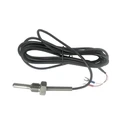
1. Protection Class IP68 Pressure Sensors
Pressure sensors are used to monitor the pressure of the water in the system. They can be used to control the operation of the pump, ensuring that it starts and stops at the appropriate pressure levels. Protection class IP68 pressure sensors are designed to be waterproof and dustproof, making them ideal for use in harsh environments.
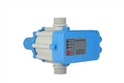
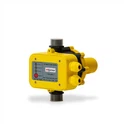
2. Automatic Pump Mechanical Switch
Automatic pump mechanical switches are used to control the operation of the pump based on the water level in the tank or reservoir. They can be used to turn the pump on and off automatically, ensuring that the water level is maintained at a constant level. Automatic pump mechanical switches are easy to install and require minimal maintenance.
3. Industrial Plastic Expansion Tank
Expansion tanks are used to absorb the pressure fluctuations in the water pump system. They help to prevent water hammer and other pressure-related problems, ensuring that the system operates smoothly and efficiently. Industrial plastic expansion tanks are lightweight, durable, and resistant to corrosion, making them ideal for use in a variety of applications.
Conclusion
In conclusion, check valves are an essential component of water pump systems, providing protection for the pump, improving system efficiency, maintaining system pressure, and preventing water hammer. By choosing the right check valve for your water pump system and using other important water pump accessories, you can ensure that your system operates smoothly and efficiently, reducing maintenance costs and extending the lifespan of your pump. If you have any questions about check valves or other water pump accessories, or if you're interested in purchasing high-quality water pump accessories for your system, please don't hesitate to contact us. We're here to help you find the right solutions for your needs.
References
- Karassik, I. J., Messina, J. P., Cooper, P. T., & Heald, C. C. (2008). Pump Handbook. McGraw-Hill.
- Cameron Hydraulic Data. (2017). Ingersoll Rand.
- Crane Co. (2012). Flow of Fluids Through Valves, Fittings, and Pipe. Technical Paper No. 410.