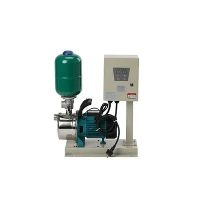
How to choose the right size of water pump automatic controller?
When it comes to water pumping systems, selecting the appropriate size of a water pump automatic controller is crucial for ensuring optimal performance, energy efficiency, and longevity of your equipment. As a seasoned supplier of Water Pump Automatic Controllers, I've witnessed firsthand the impact that a well - chosen controller can have on a water system. In this blog, I'll guide you through the key factors to consider when making this important decision.
Understanding the Basics of Water Pump Automatic Controllers
Before delving into the sizing process, it's essential to understand what a water pump automatic controller does. These devices are designed to regulate the operation of water pumps based on various parameters such as pressure, flow rate, and water level. They can turn the pump on and off automatically, protecting it from over - running, dry - running, and other potential issues.
There are different types of water pump automatic controllers available in the market, including Clean Water Pump Controller and Electric Water Pump Controller. Each type is tailored to specific applications and requirements.
Factors to Consider When Sizing a Water Pump Automatic Controller
1. Pump Capacity
The first and most important factor is the capacity of your water pump. The controller must be able to handle the electrical load of the pump. You need to know the pump's horsepower (HP) or kilowatts (KW). For example, if you have a 2.2KW Electric Water Pump Pressure Switch, the controller should be rated to handle at least this amount of power. A controller with a lower power rating may overheat or fail, while one with a significantly higher rating may be more expensive and less efficient.
To determine the pump capacity, refer to the pump's specifications provided by the manufacturer. This information usually includes the maximum power consumption, current draw, and voltage requirements. Make sure to account for any potential future upgrades or changes in the pump's operation.
2. Flow Rate Requirements
The flow rate is the volume of water that the pump can deliver per unit of time, typically measured in gallons per minute (GPM) or liters per second (L/s). The controller should be able to maintain the desired flow rate based on the system's demand. If the controller cannot handle the required flow rate, the pump may not be able to supply enough water, leading to low water pressure or inconsistent performance.
Consider the peak and average flow rates of your water system. For residential applications, the average household may require a flow rate of 5 - 10 GPM, while commercial or industrial systems may need much higher rates. The controller should be selected to match these requirements.
3. Pressure Range
Another critical factor is the pressure range of the water system. The controller is responsible for maintaining the appropriate pressure in the pipes. You need to know the minimum and maximum pressure settings required for your application. For example, in a domestic water supply system, the pressure may need to be maintained between 30 - 50 psi (pounds per square inch).
The controller should be able to accurately sense and control the pressure within this range. Some controllers offer adjustable pressure settings, allowing you to customize the operation according to your specific needs. Make sure to choose a controller with a pressure range that matches or exceeds your system's requirements.


4. System Type
The type of water system also plays a role in controller sizing. Different systems, such as well water systems, municipal water supply systems, or irrigation systems, have unique characteristics and requirements.
Well water systems often require a controller that can handle the variable water levels in the well. These controllers may need to have features such as dry - run protection to prevent damage to the pump when the water level is low. Municipal water supply systems may require a controller that can work in conjunction with the existing water pressure regulation infrastructure. Irrigation systems may need a controller that can handle large - scale water distribution and may be subject to different environmental conditions.
5. Environmental Conditions
The operating environment of the water pump and controller is also important. Factors such as temperature, humidity, and exposure to dust or chemicals can affect the performance and lifespan of the controller. If the controller is installed in a harsh environment, you may need to choose a model that is specifically designed for such conditions.
For example, in outdoor or industrial settings, a controller with a rugged enclosure and weather - resistant features may be required. In a corrosive environment, the controller should be made of materials that can resist corrosion.
Additional Features to Consider
1. Automatic Shut - off and Overload Protection
A good water pump automatic controller should have automatic shut - off and overload protection features. These features can prevent damage to the pump and the controller in case of a malfunction or abnormal operation. For example, if the pump is running dry or if there is an electrical overload, the controller should automatically turn off the pump to avoid costly repairs.
2. Remote Monitoring and Control
In today's connected world, remote monitoring and control capabilities can be a valuable addition to a water pump automatic controller. With these features, you can monitor the pump's operation, adjust settings, and receive alerts remotely using a smartphone or computer. This can be especially useful for large - scale or hard - to - access water systems.
3. Compatibility with Other Components
The controller should be compatible with other components in the water system, such as pressure sensors, flow meters, and valves. Make sure to check the compatibility specifications provided by the manufacturer before making a purchase.
Conclusion
Choosing the right size of a water pump automatic controller is a complex but essential task. By considering factors such as pump capacity, flow rate requirements, pressure range, system type, and environmental conditions, you can select a controller that will provide reliable and efficient operation for your water system.
As a supplier of Water Pump Automatic Controllers, we are committed to providing high - quality products and expert advice to help you make the best choice for your needs. If you have any questions or need assistance in selecting the right controller, please don't hesitate to contact us. We look forward to working with you to ensure the success of your water pumping system.
References
- Pump manufacturers' technical specifications
- Industry standards and guidelines for water pumping systems
- Previous experience and case studies in water pump controller applications