As a supplier of VFD (Variable Frequency Drive) water pumps, I've witnessed firsthand the growing demand for energy-efficient pumping solutions. In today's world, where sustainability and cost savings are paramount, understanding the energy-saving standards for VFD water pumps is crucial for both consumers and businesses. This blog post aims to shed light on these standards, explaining what they are, why they matter, and how our products meet and exceed them.
Understanding VFD Water Pumps
Before delving into energy-saving standards, it's essential to understand what VFD water pumps are and how they work. Unlike traditional pumps that operate at a fixed speed, VFD water pumps can adjust their speed according to the actual demand. This is achieved through a variable frequency drive, which controls the power supply to the pump motor. By adjusting the frequency of the electrical supply, the VFD can vary the motor's speed, allowing the pump to deliver the exact amount of water required at any given time.
This variable speed operation offers several advantages over fixed-speed pumps. Firstly, it reduces energy consumption significantly. Traditional pumps often operate at full capacity even when the demand for water is low, resulting in wasted energy. In contrast, VFD water pumps can slow down when less water is needed, consuming only the energy required to meet the demand. This not only saves electricity but also reduces wear and tear on the pump, extending its lifespan.
Energy-Saving Standards for VFD Water Pumps
Energy-saving standards for VFD water pumps are designed to ensure that these pumps operate efficiently and consume as little energy as possible. These standards are set by various national and international organizations, such as the International Electrotechnical Commission (IEC), the American Society of Mechanical Engineers (ASME), and the European Union's Ecodesign Directive.
One of the key metrics used to measure the energy efficiency of VFD water pumps is the Specific Energy Consumption (SEC). SEC is defined as the amount of energy consumed by the pump per unit of water delivered. A lower SEC indicates a more energy-efficient pump. The energy-saving standards typically specify a maximum allowable SEC for different types and sizes of VFD water pumps.
Another important aspect of energy-saving standards is the efficiency of the variable frequency drive itself. The drive should be able to convert electrical energy into mechanical energy with minimal losses. Standards often require the drive to have a high efficiency rating, typically above 90%.
In addition to SEC and drive efficiency, energy-saving standards may also cover other factors such as power factor, motor efficiency, and the ability of the pump to operate at partial loads. These factors all contribute to the overall energy efficiency of the VFD water pump system.
Our Commitment to Energy Efficiency
As a VFD water pump supplier, we are committed to providing our customers with the most energy-efficient products on the market. Our pumps are designed and manufactured to meet or exceed the latest energy-saving standards, ensuring that our customers can enjoy significant cost savings and environmental benefits.
We offer a wide range of VFD water pumps, including Self-priming Permanent Magnetic Frequency Conversion Pump, Stainless Steel Permanent Magnetic Frequency Conversion Pump, and High-Power Self-Priming Permanent Magnet Variable Frequency Pumps. These pumps are equipped with state-of-the-art variable frequency drives and high-efficiency motors, allowing them to operate at optimal efficiency under various conditions.
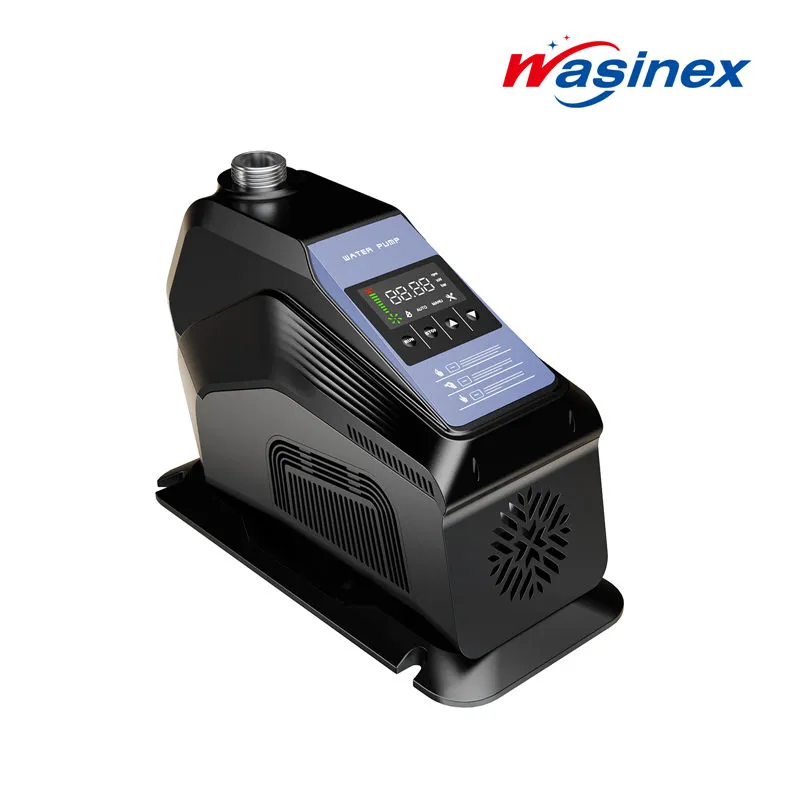

Our engineers use advanced design techniques and simulation tools to optimize the performance of our pumps. We conduct extensive testing and validation to ensure that our products meet the highest quality and energy efficiency standards. By continuously investing in research and development, we are able to stay at the forefront of energy-efficient pump technology and offer our customers the best possible solutions.
Benefits of Choosing Energy-Efficient VFD Water Pumps
Choosing energy-efficient VFD water pumps offers numerous benefits for both residential and commercial users. Here are some of the key advantages:
- Cost Savings: Energy-efficient pumps consume less electricity, resulting in lower energy bills. Over the lifespan of the pump, these savings can be substantial, making the initial investment in an energy-efficient pump well worth it.
- Environmental Sustainability: By reducing energy consumption, energy-efficient VFD water pumps help to lower greenhouse gas emissions and conserve natural resources. This makes them a more environmentally friendly choice compared to traditional pumps.
- Improved Performance: VFD water pumps can adjust their speed to match the demand, providing a more stable and consistent water supply. This can improve the performance of water systems and reduce the risk of water shortages or pressure fluctuations.
- Longer Lifespan: The variable speed operation of VFD water pumps reduces wear and tear on the pump components, extending the lifespan of the pump. This means less maintenance and replacement costs over time.
How to Choose the Right Energy-Efficient VFD Water Pump
When choosing an energy-efficient VFD water pump, there are several factors to consider. Here are some tips to help you make the right decision:
- Determine Your Water Demand: Calculate the amount of water you need to pump and the pressure required. This will help you select a pump with the appropriate capacity and head.
- Check the Energy Efficiency Rating: Look for pumps with a high energy efficiency rating, such as a low SEC and a high drive efficiency. Make sure the pump meets or exceeds the relevant energy-saving standards.
- Consider the Pump Type and Application: Different types of pumps are suitable for different applications. For example, self-priming pumps are ideal for applications where the pump needs to be located above the water source. Choose a pump that is specifically designed for your application.
- Evaluate the Manufacturer's Reputation: Choose a reputable manufacturer with a proven track record of producing high-quality, energy-efficient pumps. Look for customer reviews and testimonials to get an idea of the manufacturer's reliability and customer service.
Contact Us for Energy-Efficient VFD Water Pumps
If you're interested in learning more about our energy-efficient VFD water pumps or have any questions about energy-saving standards, please don't hesitate to contact us. Our team of experts is available to provide you with detailed information, technical support, and assistance in selecting the right pump for your needs.
We believe that by choosing our energy-efficient VFD water pumps, you can not only save money on your energy bills but also contribute to a more sustainable future. Let's work together to make your water pumping systems more efficient and environmentally friendly.
References
- International Electrotechnical Commission (IEC). (Year). IEC standards for electrical equipment efficiency.
- American Society of Mechanical Engineers (ASME). (Year). ASME standards for pump efficiency.
- European Union. (Year). Ecodesign Directive for energy-related products.