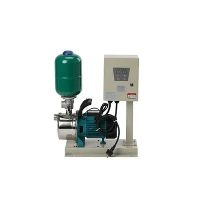
As a supplier of Variable Frequency Drive (VFD) Pumps, I've witnessed firsthand the transformative impact these devices have on pump systems. One crucial aspect that often comes under scrutiny is the effect of a VFD Pump on the pump's bearings. In this blog, we'll delve into the science behind VFD Pumps and explore how they influence the performance and longevity of pump bearings.
Understanding Variable Frequency Drive Pumps
Before we dive into the effects on bearings, let's first understand what a Variable Frequency Drive Pump is. A VFD Pump is a type of pump that is controlled by a variable frequency drive, which allows for the adjustment of the pump's speed. This is achieved by varying the frequency and voltage supplied to the pump motor. By adjusting the pump's speed, a VFD Pump can match the flow rate and pressure requirements of the system more precisely, resulting in energy savings and improved system efficiency.
The Role of Bearings in Pump Systems
Bearings are an essential component of any pump system. They support the rotating shaft of the pump and reduce friction between the moving parts. The proper functioning of bearings is crucial for the smooth operation of the pump and the prevention of premature wear and failure. There are several types of bearings used in pump systems, including ball bearings, roller bearings, and sleeve bearings, each with its own unique characteristics and applications.
Effects of VFD Pumps on Bearings
1. Reduced Mechanical Stress
One of the primary benefits of using a VFD Pump is the ability to reduce mechanical stress on the pump's bearings. Traditional fixed-speed pumps operate at a constant speed, which can result in high levels of stress on the bearings, especially during startup and shutdown. In contrast, VFD Pumps can ramp up and down gradually, reducing the sudden shocks and vibrations that can damage the bearings. This gentle start and stop operation can significantly extend the lifespan of the bearings and reduce the likelihood of premature failure.
2. Improved Lubrication
Another advantage of VFD Pumps is the potential for improved lubrication of the bearings. At lower speeds, the lubricant in the bearings has more time to circulate and form a protective film between the moving parts. This can help to reduce friction and wear, leading to longer bearing life. Additionally, VFD Pumps can operate at optimal speeds, which can help to maintain the proper viscosity of the lubricant, further enhancing its effectiveness.
3. Mitigation of Cavitation
Cavitation is a common problem in pump systems that can cause significant damage to the bearings. It occurs when the pressure in the pump drops below the vapor pressure of the liquid, causing the formation of vapor bubbles. These bubbles collapse when they reach a region of higher pressure, creating shock waves that can erode the bearing surfaces. VFD Pumps can help to mitigate cavitation by adjusting the pump's speed to maintain a stable pressure in the system. By avoiding the formation of vapor bubbles, VFD Pumps can protect the bearings from the damaging effects of cavitation.
4. Electrical Bearing Damage
While VFD Pumps offer many benefits, they can also introduce some potential risks to the bearings. One of the main concerns is electrical bearing damage, which can occur due to the presence of high-frequency electrical currents in the system. These currents can flow through the bearings, causing pitting and fluting on the bearing surfaces. To prevent electrical bearing damage, it is important to use proper grounding and insulation techniques and to select bearings that are designed to withstand the electrical stresses associated with VFD operation.
Case Studies and Real-World Examples
To illustrate the effects of VFD Pumps on bearings, let's look at some real-world examples. In a water treatment plant, the installation of VFD Pumps resulted in a significant reduction in bearing failures. By adjusting the pump's speed to match the flow requirements of the system, the mechanical stress on the bearings was reduced, and the lubrication was improved. As a result, the bearing lifespan increased by up to 50%, leading to substantial cost savings in terms of maintenance and replacement.
In another case, a manufacturing facility replaced its fixed-speed pumps with VFD Pumps to improve energy efficiency. The VFD Pumps were able to operate at lower speeds, which reduced the risk of cavitation and extended the life of the bearings. The facility also reported a decrease in vibration and noise levels, indicating improved overall system performance.
Selecting the Right VFD Pump for Your Application
When choosing a VFD Pump for your application, it is important to consider several factors, including the type of pump, the operating conditions, and the specific requirements of your system. Here are some tips to help you make the right choice:
- Understand Your System Requirements: Determine the flow rate, pressure, and temperature requirements of your system to ensure that the VFD Pump can meet your needs.
- Choose the Right Pump Type: There are several types of pumps available, including centrifugal pumps, positive displacement pumps, and submersible pumps. Select the type of pump that is best suited for your application.
- Consider the VFD Features: Look for a VFD that offers features such as adjustable speed control, soft start and stop, and protection against overcurrent and overvoltage. These features can help to optimize the performance of the pump and protect the bearings from damage.
- Select Quality Bearings: Choose bearings that are designed to withstand the specific operating conditions of your system. Consider factors such as load capacity, speed rating, and lubrication requirements.
Our Product Offerings
As a leading supplier of VFD Pumps, we offer a wide range of products to meet the diverse needs of our customers. Our Household Variable Frequency Water Pump is designed for residential applications, providing reliable and efficient water supply. With its variable speed control, this pump can adjust to the changing water demand, reducing energy consumption and extending the life of the bearings.
For industrial applications, our 60HZ Frequency Conversion Water Pump is a powerful and versatile solution. It can operate at different frequencies, allowing for precise control of the pump's speed and performance. This pump is equipped with high-quality bearings that are designed to withstand the harsh operating conditions of industrial environments.


Our Variable Frequency Drive Water Pump is a comprehensive solution that combines the benefits of variable frequency control with the reliability of a high-performance water pump. This pump is suitable for a wide range of applications, including water supply, irrigation, and industrial processes.
Conclusion
In conclusion, the use of VFD Pumps can have a significant impact on the performance and longevity of the pump's bearings. By reducing mechanical stress, improving lubrication, and mitigating cavitation, VFD Pumps can extend the life of the bearings and reduce the likelihood of premature failure. However, it is important to be aware of the potential risks associated with VFD Pumps, such as electrical bearing damage, and to take appropriate measures to mitigate these risks.
If you are considering upgrading your pump system to a VFD Pump, we encourage you to contact us to discuss your specific requirements. Our team of experts can help you select the right VFD Pump for your application and provide you with the support and guidance you need to ensure its successful installation and operation. We are committed to providing high-quality products and excellent customer service, and we look forward to the opportunity to work with you.
References
- Karassik, I. J., Messina, J. P., Cooper, P. T., & Heald, C. C. (2008). Pump Handbook. McGraw-Hill.
- ANSI/HI 9.6.7-2017, Rotodynamic Pumps for Nonsanitary Applications - Vibration and Axial Position Monitoring. Hydraulic Institute.
- IEEE 519-2014, Recommended Practices and Requirements for Harmonic Control in Electrical Power Systems. Institute of Electrical and Electronics Engineers.