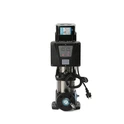
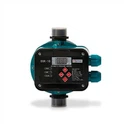
As a supplier of pump inverters, I've seen a lot of confusion among customers when it comes to choosing between using a pump inverter with a fixed - speed and a variable - speed motor. So, in this blog, I'll break down the differences in a way that's easy to understand.
Fixed - Speed Motors and Pump Inverters
Let's start with fixed - speed motors. These motors run at a constant speed, which is usually determined by the power supply frequency. For example, in most countries, the standard power supply frequency is 50 or 60 Hz. A fixed - speed motor operating on this power supply will spin at a set RPM (revolutions per minute).
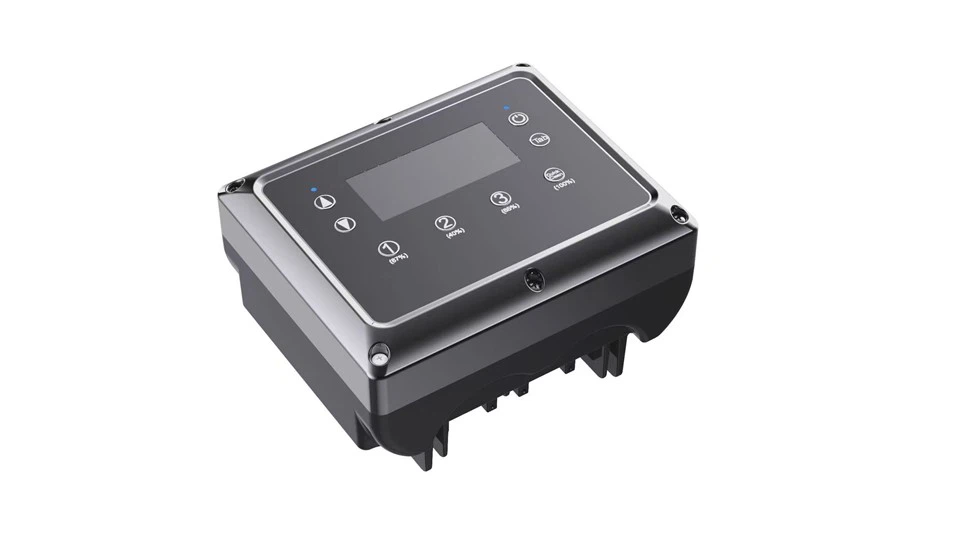

When you use a pump inverter with a fixed - speed motor, the main goal is often to optimize the pump's operation within the limitations of that fixed speed. The inverter can provide features like soft - start and soft - stop. A soft - start means that when the pump is turned on, it doesn't immediately jump to full speed. Instead, the inverter gradually increases the power to the motor. This reduces the mechanical stress on the pump and its connected parts, which can extend the lifespan of the equipment.
For instance, in a water supply system using a fixed - speed pump. If the pump starts suddenly at full speed, it can cause water hammer, which is a shockwave in the pipes due to the sudden change in water flow. With a pump inverter, this can be avoided. The soft - stop function works in a similar way. When the pump needs to shut down, the inverter gradually reduces the power, preventing sudden stops that could also lead to issues in the system.
However, there are some limitations. Since the motor is fixed - speed, the pump can't adjust its flow rate according to the actual demand in real - time. If the system requires less water flow at a certain time, the pump will still operate at its maximum capacity, which can lead to energy wastage. You can find our Timing And Speed Control Pump Inverters at Timing And Speed Control Pump Inverters that can be used in combination with fixed - speed motors to achieve these optimization functions.
Variable - Speed Motors and Pump Inverters
Variable - speed motors, on the other hand, can run at different speeds. This is where pump inverters truly shine. A pump inverter can adjust the frequency and voltage supplied to the variable - speed motor, allowing it to operate at any speed within a certain range.
One of the biggest advantages of using a pump inverter with a variable - speed motor is energy efficiency. Let's say you have a swimming pool pump. During the night, when there are no swimmers, the pool doesn't need to be circulated as vigorously. With a variable - speed motor and a pump inverter, the pump can slow down, using less energy. When people are swimming during the day, the pump can speed up to meet the higher demand for water circulation. You can check out our Swimming Pool Pump Inverter which is specifically designed for such applications.
In industrial settings, variable - speed pumps can also respond to changes in process requirements. For example, in a chemical processing plant, the flow rate of a pump may need to change depending on the stage of the chemical reaction. A variable - speed motor with a pump inverter can easily adjust to these changes, ensuring the process runs smoothly and efficiently.
Another benefit is better system control. With a variable - speed pump, you can maintain a more consistent pressure in the system. In a water distribution network, for instance, the inverter can adjust the pump speed to keep the water pressure stable, no matter how many users are drawing water at the same time.
However, variable - speed motor and inverter systems are generally more complex and expensive to install compared to fixed - speed systems. They also require more technical knowledge for installation, programming, and maintenance.
Cost and Return on Investment
When it comes to cost, fixed - speed motors are usually cheaper to purchase and install. The initial investment for a variable - speed motor and inverter combination is higher. But we need to look at the long - term picture.
As mentioned before, variable - speed systems can save a significant amount of energy. Over time, these energy savings can offset the higher initial cost. For example, in a large commercial building with a high - demand water supply system, the energy savings from using a variable - speed pump can add up to thousands of dollars per year.
In addition, the reduced wear and tear on the equipment due to the smooth operation provided by the inverter can also lead to lower maintenance and replacement costs in the long run. So, while the upfront cost may be higher for variable - speed systems, the return on investment can be well worth it.
Application - Specific Considerations
The choice between using a pump inverter with a fixed - speed or a variable - speed motor also depends on the specific application.
For small - scale residential applications, such as a single - family home's water pump, a fixed - speed pump with a simple inverter may be sufficient. It's cost - effective and can still provide some benefits like soft - start and soft - stop. Our Inverter With Float Switch is a great option for these types of applications, as it can automatically turn the pump on and off based on the water level.
In large - scale industrial, commercial, or agricultural applications, variable - speed pumps are often the better choice. They can adapt to the changing demands of the system, leading to significant energy savings and better process control.
Conclusion
So, in summary, there are clear differences between using a pump inverter with a fixed - speed and a variable - speed motor. Fixed - speed systems are simple and inexpensive up front, but they have limitations in terms of energy efficiency and system flexibility. Variable - speed systems are more complex and costly initially, but they offer better energy savings, system control, and long - term cost - effectiveness.
If you're still not sure which option is right for your project, or if you have any other questions about our pump inverters, I'd love to have a chat. Just reach out, and we can discuss your specific needs and come up with the best solution for you.
References
- ASHRAE Handbook: HVAC Systems and Equipment.
- Pump Handbook by Igor Karassik.