As a supplier of Variable Frequency Drive (VFD) Pumps, I've been deeply involved in understanding and addressing the various aspects of these remarkable pieces of equipment. One crucial factor that often comes under scrutiny is the vibration levels of VFD pumps. In this blog, I'll delve into what these vibration levels are, why they matter, and how they impact the performance and longevity of the pumps.
Understanding Vibration in VFD Pumps
Vibration is an inherent characteristic of any mechanical device, and VFD pumps are no exception. It refers to the oscillatory motion of the pump components around an equilibrium position. In a VFD pump, this vibration can originate from multiple sources. The rotating impeller, for instance, is a primary source of vibration. As the impeller spins at high speeds, it creates dynamic forces that cause the pump casing and other connected parts to vibrate.
The motor driving the pump also contributes to the vibration levels. Electric motors have rotating shafts and magnetic fields that can generate vibrations. Additionally, the flow of fluid through the pump can induce vibrations due to pressure fluctuations and turbulent flow patterns. These vibrations can be classified into different types based on their frequency and amplitude.
Frequency and Amplitude of Vibration
Frequency is a measure of how often a vibration occurs within a given time period, usually measured in Hertz (Hz). In VFD pumps, the vibration frequency can vary depending on the operating speed of the pump. For example, a pump running at a lower speed may have a lower vibration frequency compared to one running at a higher speed. The amplitude of vibration, on the other hand, refers to the magnitude of the oscillatory motion. It is typically measured in millimeters or inches.
High-frequency vibrations in VFD pumps can be particularly problematic. They can cause fatigue in the pump components, leading to premature wear and tear. Over time, this can result in component failure, such as cracked impellers or damaged bearings. Low-frequency vibrations, while generally less severe, can still cause issues such as misalignment of the pump and motor, which can further exacerbate the vibration problem.
Importance of Monitoring Vibration Levels
Monitoring the vibration levels of VFD pumps is essential for several reasons. Firstly, it allows for early detection of potential problems. By regularly measuring the vibration frequency and amplitude, operators can identify any abnormal changes that may indicate a developing issue. For example, a sudden increase in vibration amplitude could be a sign of a loose component or a misaligned motor.
Secondly, monitoring vibration levels helps in ensuring the efficient operation of the pump. Excessive vibration can lead to energy losses, as the pump has to work harder to overcome the forces generated by the vibration. This can result in higher energy consumption and increased operating costs. By keeping the vibration levels within acceptable limits, the pump can operate more efficiently, saving both energy and money.
Finally, monitoring vibration levels is crucial for the safety of the equipment and the personnel operating it. High levels of vibration can cause the pump to become unstable, increasing the risk of accidents. In extreme cases, it can even lead to the pump detaching from its mounting, causing significant damage to the surrounding equipment and posing a danger to the operators.
Factors Affecting Vibration Levels
Several factors can affect the vibration levels of VFD pumps. One of the most significant factors is the quality of the pump installation. A poorly installed pump can lead to misalignment between the pump and the motor, which can cause excessive vibration. It is essential to ensure that the pump is properly aligned and securely mounted to minimize vibration.
The operating conditions of the pump also play a crucial role in determining the vibration levels. For example, if the pump is operating at a flow rate that is significantly different from its design flow rate, it can cause unstable flow patterns and increased vibration. Similarly, changes in the fluid properties, such as viscosity and density, can also affect the vibration levels.
The age and condition of the pump components can also impact the vibration levels. As the pump components wear out over time, they can become less balanced, leading to increased vibration. Regular maintenance and replacement of worn components are essential to keep the vibration levels under control.
Controlling Vibration Levels
There are several ways to control the vibration levels of VFD pumps. One of the most effective methods is to use vibration isolation mounts. These mounts are designed to absorb and dampen the vibrations generated by the pump, reducing the amount of vibration transmitted to the surrounding equipment and the building structure.
Proper maintenance of the pump is also crucial for controlling vibration levels. This includes regular inspection and lubrication of the pump components, as well as timely replacement of worn parts. Additionally, ensuring that the pump is operating within its recommended operating range can help to minimize vibration.


Advanced control systems can also be used to monitor and adjust the vibration levels of VFD pumps. These systems can continuously measure the vibration frequency and amplitude and make real-time adjustments to the pump speed or other operating parameters to keep the vibration levels within acceptable limits.
Our VFD Pump Offerings
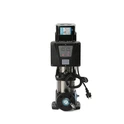
At our company, we offer a wide range of VFD pumps, including the 60HZ Frequency Conversion Water Pump, Variable Frequency Drive Water Pump, and Frequency Conversion Constant Pressure Water Pump. Our pumps are designed and manufactured to the highest standards, with a focus on minimizing vibration levels and ensuring reliable and efficient operation.
We use advanced technology and high-quality materials in the construction of our pumps to reduce vibration and improve performance. Our pumps are also equipped with state-of-the-art control systems that allow for precise monitoring and adjustment of the vibration levels. Whether you need a pump for a small residential application or a large industrial project, we have the right solution for you.
Contact Us for Purchase and Consultation
If you are interested in learning more about our VFD pumps or have any questions regarding vibration levels or other aspects of pump operation, we encourage you to contact us. Our team of experts is always ready to assist you with your pump needs. We can provide you with detailed information about our products, offer technical support, and help you select the right pump for your specific application.
Don't hesitate to reach out to us for a consultation. We look forward to working with you and providing you with the best VFD pump solutions.
References
- "Pump Handbook" by Igor J. Karassik et al.
- "Vibration Analysis for Rotating Machinery" by Thomas R. Brown.
- "Variable Frequency Drives: Fundamentals, Applications, and Troubleshooting" by Mark E. Miller.