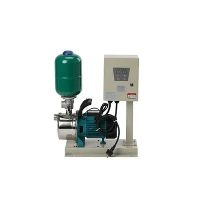
Hey there! As a supplier of water pump pressure controllers, I've seen firsthand the importance of safety when it comes to using these devices in a fire - fighting water system. Let's dive right into the safety requirements that you need to keep in mind.
1. Electrical Safety
First off, electrical safety is crucial. A water pump pressure controller in a fire - fighting system is often connected to a power source, and any electrical malfunction can be extremely dangerous.
The controller should be installed by a qualified electrician. They know how to handle electrical wiring properly, ensuring that there are no loose connections or exposed wires. Loose connections can lead to short - circuits, which might start a fire or damage the controller itself.
When it comes to the power supply, the controller should be compatible with the voltage of the system. Our Wide Voltage Water Pump Controller is designed to work with a wide range of voltages, reducing the risk of electrical problems due to voltage fluctuations. This is really handy in areas where the power supply might not be completely stable.
It's also important to have proper grounding. A grounded controller helps to prevent electrical shocks. The grounding wire should be securely connected to the controller and to a proper grounding point. This way, if there's an electrical fault, the excess current can safely flow into the ground.
2. Pressure Rating and Accuracy
The pressure rating of the water pump pressure controller is another key safety factor. In a fire - fighting water system, the controller needs to be able to handle the high pressures that are typically involved.
The controller should have a pressure rating that is higher than the maximum pressure that the fire - fighting system is expected to reach. This provides a safety margin. For example, if the fire - fighting system is designed to operate at a maximum pressure of 100 psi, the controller should have a pressure rating of at least 120 psi or more.
Accuracy is also vital. The controller needs to accurately sense the pressure in the system. If it can't accurately measure the pressure, it might not turn the pump on or off at the right times. Our LCD Pump Pressure Switch offers high - accuracy pressure sensing, with an LCD display that makes it easy to monitor the pressure readings. This helps to ensure that the fire - fighting system operates as intended.
3. Material and Construction
The materials used in the construction of the water pump pressure controller can have a big impact on its safety. The controller should be made of high - quality, durable materials that can withstand the harsh conditions of a fire - fighting environment.
For example, the housing of the controller should be made of a material that is resistant to corrosion. In a fire - fighting system, the water that the pump is handling might contain chemicals or minerals that could cause corrosion over time. A corrosion - resistant housing helps to protect the internal components of the controller and ensures its long - term reliability.


The internal components, such as the pressure sensor and the electrical contacts, should also be made of high - quality materials. Poor - quality components can fail prematurely, leading to malfunctions in the system. Our Water Pump Pressure Controller with CE TUV Certificate is made with top - notch materials and has passed strict quality tests, which gives you peace of mind when it comes to its safety and performance.
4. Over - Pressure and Under - Pressure Protection
Over - pressure and under - pressure protection are essential safety features in a water pump pressure controller for a fire - fighting system.
Over - pressure protection prevents the system from reaching dangerously high pressures. If the pressure in the system exceeds the set limit, the controller should automatically shut off the pump. This helps to prevent damage to the pipes, valves, and other components in the fire - fighting system. It also reduces the risk of a pipe bursting, which could cause water damage and potentially endanger people in the area.
Under - pressure protection is also important. If the pressure in the system drops below a certain level, it might indicate a problem, such as a leak or a pump failure. The controller should be able to detect this and take appropriate action, such as sounding an alarm or shutting off the pump to prevent further damage.
5. Regular Maintenance and Testing
Regular maintenance and testing are crucial for ensuring the safety of a water pump pressure controller in a fire - fighting system.
The controller should be inspected regularly for any signs of damage or wear. This includes checking the electrical connections, the pressure sensor, and the housing. Any damaged parts should be replaced immediately.
Testing the controller is also important. You should test the pressure sensing accuracy and the over - pressure and under - pressure protection features on a regular basis. This can help you to identify any potential problems before they become serious.
6. Compatibility with the Fire - Fighting System
The water pump pressure controller needs to be compatible with the rest of the fire - fighting system. This includes the pump, the pipes, the valves, and any other components.
It should be able to communicate effectively with the pump to control its operation. For example, it should be able to send the right signals to turn the pump on and off at the appropriate times.
The controller should also be compatible with the type of water that the fire - fighting system is using. Some fire - fighting systems use treated water, while others use untreated water. The controller should be able to handle the specific characteristics of the water, such as its pH level and the presence of any chemicals or minerals.
7. Installation Location
The location where the water pump pressure controller is installed is also important for safety.
It should be installed in a dry, well - ventilated area. Moisture can cause electrical problems and corrosion in the controller. A well - ventilated area helps to prevent the controller from overheating, which can also lead to malfunctions.
The controller should also be installed in a location where it is easily accessible for maintenance and testing. This makes it easier for technicians to check the controller and make any necessary repairs or adjustments.
Conclusion
In conclusion, using a water pump pressure controller in a fire - fighting water system requires careful attention to safety. From electrical safety and pressure rating to material quality and regular maintenance, there are many factors that need to be considered.
As a supplier, we understand the importance of providing high - quality, safe water pump pressure controllers. Our products, like the Wide Voltage Water Pump Controller, LCD Pump Pressure Switch, and Water Pump Pressure Controller with CE TUV Certificate, are designed to meet the strict safety requirements of fire - fighting systems.
If you're in the market for a reliable and safe water pump pressure controller for your fire - fighting system, don't hesitate to reach out. We're here to help you find the right product for your needs and ensure that your fire - fighting system operates safely and efficiently.
References
- NFPA 20: Standard for the Installation of Stationary Pumps for Fire Protection
- UL 448: Standard for Pressure - Switch Controllers for Electric Pumps
- IEEE 141: Recommended Practice for Electric Power Distribution for Industrial Plants