As a seasoned supplier of water pump frequency inverters, I've witnessed firsthand the detrimental effects of moisture on these crucial devices. Moisture can lead to corrosion, short - circuits, and overall reduced performance of water pump frequency inverters. In this blog, I'll share some effective moisture - proof measures to ensure the longevity and reliability of your water pump frequency inverters.
1. Installation Environment Selection
The first step in moisture protection is choosing the right installation environment. Water pump frequency inverters should be installed in a dry, well - ventilated area. Avoid installing them in basements, near water sources, or in areas prone to flooding. If possible, select a location with a controlled temperature and humidity. For example, an indoor electrical cabinet with proper ventilation can be an ideal choice.
When selecting an installation site, consider the distance from potential sources of moisture. Keep the inverter at least a few feet away from water pipes, drains, or areas where water might splash. Additionally, ensure that the area is free from excessive dust, as dust can combine with moisture to create a conductive layer on the inverter's components, increasing the risk of electrical problems.
2. Enclosure Design and Sealing
A high - quality enclosure is essential for protecting water pump frequency inverters from moisture. The enclosure should be made of materials that are resistant to corrosion and have a high degree of ingress protection (IP) rating. An IP rating indicates the degree of protection against solid objects and liquids. For example, an IP54 - rated enclosure provides protection against dust ingress to a degree that is not likely to interfere with the satisfactory operation of the equipment and protection against water splashing from any direction.
Regularly inspect the enclosure for any signs of damage or wear. Check the seals around the doors, panels, and cable entries. If the seals are damaged, replace them immediately to maintain the integrity of the enclosure. Some enclosures also come with gaskets that can be tightened to improve the seal.
3. Use of Desiccants
Desiccants are substances that absorb moisture from the air. Placing desiccants inside the inverter enclosure can help reduce the humidity level. Silica gel is a commonly used desiccant. It is non - toxic, reusable, and can absorb a significant amount of moisture. You can place silica gel packets in strategic locations inside the enclosure, such as near the corners or close to components that are more sensitive to moisture.
Monitor the desiccants regularly. When the silica gel changes color (usually from blue to pink), it indicates that it has reached its moisture - absorption capacity. You can regenerate the silica gel by heating it in an oven at a low temperature for a few hours. This will drive out the absorbed moisture, and the desiccant can be reused.
4. Ventilation and Airflow
Proper ventilation is crucial for moisture control. Good airflow helps to remove humid air from the inverter enclosure and replace it with dry air. Install ventilation fans or vents in the enclosure to ensure a continuous flow of air. The fans should be sized appropriately for the enclosure to provide sufficient airflow.
In addition to mechanical ventilation, natural ventilation can also be effective in some cases. If the installation environment allows, you can design the enclosure with openings that allow for natural air circulation. However, make sure that these openings are protected with filters to prevent dust and insects from entering the enclosure.
5. Heaters and Dehumidifiers
In some environments with high humidity, using heaters or dehumidifiers can be an effective moisture - proof measure. Heaters can raise the temperature inside the enclosure, reducing the relative humidity. However, be careful not to overheat the inverter, as high temperatures can also damage the components.
Dehumidifiers work by removing moisture from the air. They can be installed inside the enclosure or in the surrounding area. There are different types of dehumidifiers available, such as refrigerant - based and desiccant - based dehumidifiers. Choose the type that is most suitable for your specific application.
6. Cable Management
Proper cable management is also important for moisture protection. Ensure that all cables are properly sealed and routed. Use cable glands that provide a tight seal around the cables to prevent moisture from entering the enclosure through the cable entries.
Inspect the cables regularly for any signs of damage or wear. Replace any damaged cables immediately. Additionally, make sure that the cables are not in contact with any sources of moisture, such as water puddles or wet surfaces.
7. Regular Maintenance and Inspection
Regular maintenance and inspection are essential for ensuring the long - term moisture protection of water pump frequency inverters. Schedule routine inspections to check the enclosure, seals, desiccants, ventilation systems, and cables. Look for any signs of moisture ingress, such as condensation, rust, or water stains.
During maintenance, clean the inverter and its components to remove any dust or debris. This will help to improve the performance and reliability of the inverter. If any problems are detected during the inspection, take immediate action to address them.
Our Product Range
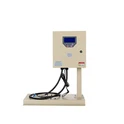
At our company, we offer a wide range of water pump frequency inverters to meet different customer needs. Our LCD Display Box Water Pump Inverter provides a user - friendly interface with an LCD display, allowing for easy monitoring and control. The high - quality enclosure of this inverter provides excellent moisture protection.
For customers with high - power requirements, our High - Power Water Pump Inverter is an ideal choice. It is designed to handle large - scale water pumping applications and is built with robust moisture - proof features.
We also offer the 110V Water Pump Inverter Controller, which is suitable for applications that require a 110V power supply. This controller is designed with advanced moisture - proof technology to ensure reliable operation.
Contact Us for Purchase and Consultation
If you are interested in our water pump frequency inverters or need more information about moisture - proof measures, we encourage you to contact us. Our team of experts is ready to assist you in selecting the right product for your specific needs and providing you with professional advice on moisture protection.


References
- "Electrical Equipment Enclosures and Their Protection Ratings" - Electrical Engineering Handbook
- "Moisture Control in Electrical Systems" - IEEE Transactions on Industry Applications
- "Cable Management Best Practices" - National Electrical Code Handbook