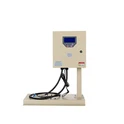
Can a water pump inverter be used in a water - based chemical process?
As a professional water pump inverter supplier, I am often asked whether water pump inverters can be effectively used in water - based chemical processes. This is a crucial question for many industries, as water - based chemical processes are widespread in various sectors such as pharmaceuticals, food and beverage, and chemical manufacturing. In this blog post, I will delve into the feasibility, advantages, and considerations of using water pump inverters in these processes.
Feasibility of Using Water Pump Inverters in Water - Based Chemical Processes
Water pump inverters are designed to control the speed of water pumps by adjusting the frequency of the electrical power supplied to the motor. This technology can be highly applicable in water - based chemical processes. In many chemical operations, the flow rate and pressure of water need to be precisely controlled. For instance, in a chemical mixing process, the right amount of water needs to be added at a specific rate to ensure the quality and consistency of the final product. A water pump inverter can regulate the pump speed, enabling accurate control of water flow and pressure, which is essential for the success of the chemical process.
Moreover, water - based chemical processes often require different operating conditions at various stages. A water pump inverter allows for easy adjustment of the pump's performance according to these changing requirements. Whether it is a small - scale laboratory process or a large - scale industrial production line, the flexibility provided by water pump inverters makes them a viable option for water - based chemical applications.
Advantages of Using Water Pump Inverters in Water - Based Chemical Processes
1. Energy Efficiency
One of the most significant advantages of using water pump inverters is energy savings. In a traditional fixed - speed water pump system, the pump operates at a constant speed regardless of the actual demand. This may lead to excessive energy consumption, especially when the process requires a lower flow rate or pressure. With a water pump inverter, the pump speed can be adjusted according to the real - time demand. When less water is needed, the inverter reduces the pump speed, thereby consuming less energy. This not only helps to cut down on energy costs but also contributes to environmental sustainability.
2. Precise Process Control
As mentioned earlier, precise control of water flow and pressure is crucial in water - based chemical processes. Water pump inverters offer a high level of accuracy in regulating these parameters. They can maintain a constant pressure or flow rate, which is essential for ensuring the quality and reproducibility of chemical reactions. For example, in a chemical synthesis process, a slight variation in water flow can affect the reaction rate and the yield of the final product. By using a water pump inverter, operators can precisely control the water supply, leading to more consistent and reliable results.
3. Extended Equipment Lifespan
Constant - speed pumps are often subject to high mechanical stress, which can lead to premature wear and tear. Water pump inverters, on the other hand, allow the pump to start and stop smoothly. This reduces the mechanical shock on the pump components, such as the motor, bearings, and impellers. By minimizing the stress on the equipment, water pump inverters can significantly extend the lifespan of the water pump, reducing maintenance and replacement costs in the long run.
4. Reduced Noise and Vibration
In a water - based chemical process environment, noise and vibration can be a nuisance and may also affect the accuracy of other equipment. Water pump inverters can reduce the noise and vibration levels of the pump. By controlling the speed of the motor, the inverter can operate the pump at an optimal speed, minimizing the generation of noise and vibration. This creates a more comfortable and stable working environment.
Considerations When Using Water Pump Inverters in Water - Based Chemical Processes
1. Chemical Compatibility
When using water pump inverters in water - based chemical processes, it is essential to ensure the chemical compatibility of the pump and the inverter components. Some chemicals may be corrosive or reactive with certain materials. Therefore, the pump and inverter should be made of materials that can withstand the chemical environment. For example, if the process involves acidic or alkaline solutions, the pump casing and internal components should be made of corrosion - resistant materials such as stainless steel or plastic.
2. Temperature and Humidity
Water - based chemical processes often involve specific temperature and humidity conditions. High temperatures can affect the performance of the inverter, as electronic components may overheat. Similarly, high humidity can cause corrosion and electrical short - circuits. Therefore, the inverter should be installed in a suitable environment with proper temperature and humidity control. Additionally, the inverter should be designed to withstand the expected temperature and humidity ranges of the chemical process.
3. Electrical Safety
Electrical safety is of utmost importance in any industrial setting, especially in water - based chemical processes where the presence of water increases the risk of electrical accidents. The water pump inverter should comply with relevant electrical safety standards. It should have proper grounding, insulation, and protection against over - current, over - voltage, and short - circuits. Operators should also receive proper training on the safe use and maintenance of the inverter.
Our Product Offerings
We, as a water pump inverter supplier, offer a wide range of products suitable for water - based chemical processes. Our Pump Constant Pressure Variable Speed Drive Inverter is designed to provide precise control of water flow and pressure, ensuring stable operation in chemical applications. It features advanced control algorithms and high - quality components, offering reliable performance and energy efficiency.
Our 380V Three - Phase Pump Variable Frequency Drive is suitable for large - scale water - based chemical processes. With its high power capacity and excellent speed regulation ability, it can meet the demanding requirements of industrial production lines.
In addition, our New Three - phase Water Pump Inverter is a cost - effective solution for small to medium - sized chemical operations. It combines the latest technology with user - friendly features, making it easy to install and operate.
Conclusion
In conclusion, water pump inverters can be effectively used in water - based chemical processes. They offer significant advantages in terms of energy efficiency, precise process control, extended equipment lifespan, and reduced noise and vibration. However, it is important to consider factors such as chemical compatibility, temperature and humidity, and electrical safety when using water pump inverters in these processes.
If you are involved in a water - based chemical process and are looking for a reliable water pump inverter solution, we are here to help. Our team of experts can provide you with professional advice and customized solutions based on your specific requirements. Contact us today to start a discussion about your procurement needs and explore how our water pump inverters can enhance the performance and efficiency of your chemical processes.


References
- Smith, J. (2018). Energy - efficient motor control in industrial processes. Industrial Engineering Journal, 25(3), 123 - 135.
- Brown, A. (2019). Precise fluid control in chemical manufacturing. Chemical Process Magazine, 32(4), 45 - 52.
- Green, C. (2020). Electrical safety in industrial environments. Safety Engineering Review, 18(2), 78 - 86.