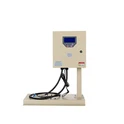
Hey there! As a supplier of pump inverters, I often get asked whether it's necessary to use a pump inverter. Well, let's dive right into this topic and break it down.
First off, what exactly is a pump inverter? A pump inverter is a device that controls the speed of a pump motor. By adjusting the frequency and voltage supplied to the motor, it can regulate the pump's flow rate and pressure. This is different from a regular pump setup where the motor runs at a constant speed, which might not always be the most efficient way to operate.
One of the biggest advantages of using a pump inverter is energy efficiency. In a lot of applications, the demand for water or fluid isn't constant. For example, in a residential water supply system, there might be high demand during morning and evening when people are using water for showers, washing dishes, etc. But during the middle of the day, the demand drops significantly. A regular pump would keep running at full speed all the time, consuming a lot of energy even when the demand is low. On the other hand, a Water Pump Inverter can adjust the pump's speed according to the actual demand. When the demand is low, it slows down the pump, which saves a ton of energy. This not only reduces your electricity bills but also makes your system more environmentally friendly.
Another benefit is improved system performance. With a pump inverter, you can have better control over the pump's operation. You can set the exact flow rate and pressure you need, which is crucial in many industrial and commercial applications. For instance, in a manufacturing plant where precise fluid levels and pressures are required for the production process, a pump inverter can ensure that the system operates smoothly and accurately. It can also prevent issues like over-pressurization, which can damage pipes and other components in the system.
Pump inverters also offer enhanced protection for the pump motor. When a regular pump starts, it experiences a high inrush current, which can cause wear and tear on the motor over time. A pump inverter, however, provides a soft start and stop function. It gradually ramps up the speed of the motor when starting and slows it down gently when stopping. This reduces the stress on the motor and extends its lifespan. You won't have to replace your pump motor as often, which saves you money on maintenance and replacement costs.


Now, let's talk about some specific types of pump inverters. The Inverter With Float Switch is a great option for applications where you need to control the water level. The float switch detects the water level in a tank or reservoir and sends a signal to the inverter. The inverter then adjusts the pump's operation accordingly. This is commonly used in water storage tanks, sewage systems, and other applications where maintaining a specific water level is important.
The Timing And Speed Control Pump Inverters are ideal for applications where you need to control both the timing and speed of the pump. You can set the pump to run at different speeds at different times of the day. For example, in an irrigation system, you might want the pump to run at a higher speed during the early morning or late evening when the evaporation rate is lower, and at a lower speed during the middle of the day. This type of inverter gives you a lot of flexibility in managing your pump's operation.
So, is it necessary to use a pump inverter? Well, it depends on your specific needs. If you're running a small residential water system with a relatively constant demand, a regular pump might be sufficient. But if you have a larger system, whether it's a commercial building, an industrial plant, or an agricultural operation, a pump inverter can offer significant benefits. It can save you money on energy, improve system performance, and protect your pump motor.
In addition, if you're concerned about environmental sustainability, using a pump inverter is a great way to reduce your carbon footprint. By using less energy, you're contributing to a greener planet. And with the increasing focus on energy efficiency and environmental protection, more and more people are turning to pump inverters for their pumping needs.
If you're still not sure whether a pump inverter is right for you, feel free to reach out to us. We have a team of experts who can assess your specific situation and recommend the best solution for your needs. Whether you need a simple inverter with basic functions or a more advanced one with complex timing and speed control features, we have a wide range of products to choose from.
Investing in a high-quality pump inverter can be a game-changer for your pumping system. It's a smart decision that can pay off in the long run in terms of cost savings, improved performance, and environmental benefits. So, why not take the next step and consider using a pump inverter for your application? Contact us today to learn more about our products and how we can help you optimize your pumping system.
References
- General knowledge of pump inverter technology from years of industry experience.
- Technical manuals and research papers on pump inverters and their applications.