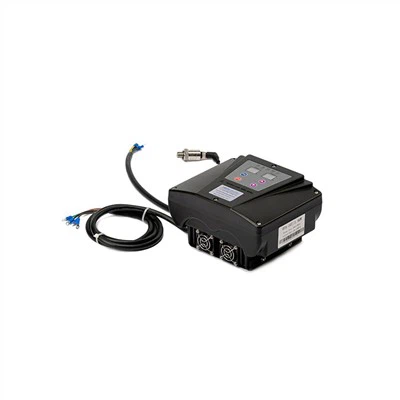
In the realm of water pump systems, the water pump frequency inverter stands as a crucial component, offering a multitude of functions that enhance efficiency, performance, and protection. One of the most vital functions among them is the overload protection function. In this blog post, I'll delve into the details of what the overload protection function of a water pump frequency inverter is and why it's indispensable for water pump operations as a seasoned water pump frequency inverter supplier.
Understanding Overload in Water Pump Systems
Before we explore the overload protection function, it's essential to understand what overload means in the context of water pump systems. An overload occurs when a water pump draws more current or power than its rated capacity or the inverter's capabilities. Several factors can lead to an overload situation. For instance, blockages in the pipes can increase the resistance the pump has to overcome, forcing it to work harder and draw more power. Similarly, changes in the water level, such as a low - water level that causes the pump to cavitate, can also lead to abnormal current consumption.
When a water pump operates under an overload condition, it can cause severe damage. The excessive current can overheat the motor windings, which may lead to insulation breakdown. In the long run, this can lead to motor failure, significantly increasing maintenance costs and system downtime.
How the Overload Protection Function Works
The overload protection function of a water pump frequency inverter is designed to detect and respond to overload conditions in a timely manner. At its core, the inverter continuously monitors the current flowing through the pump motor. Using sensors and sophisticated control algorithms, it can accurately measure the current and compare it with the pre - set rated current.
When the detected current exceeds the rated current by a certain margin, which is often adjustable according to the specific application requirements, the overload protection mechanism kicks in. There are generally two main ways the inverter can respond to an overload situation.
The first is to reduce the motor speed. By decreasing the frequency output of the inverter, it can lower the power consumption of the motor, thereby reducing the current drawn. This is a preventive measure that allows the pump to continue operating under a reduced load, avoiding immediate shutdown while still protecting the motor from excessive stress.
The second response is a complete shutdown. If the overload condition persists or is too severe, the inverter will stop supplying power to the motor. This is a safety measure to prevent permanent damage to the motor and other components of the water pump system. Once the inverter shuts down due to overload, it usually requires manual reset after the root cause of the overload, such as a pipe blockage, is removed.
Benefits of Overload Protection in Water Pump Frequency Inverters
1. Prolonged Equipment Lifespan
As mentioned earlier, overload can cause significant damage to the water pump motor. By preventing the motor from operating under excessive current for extended periods, the overload protection function helps to extend the motor's lifespan. With reduced wear and tear on the motor windings and other components, the pump can operate smoothly for a longer time, reducing the need for frequent replacements.
2. Energy Savings
The ability to reduce the motor speed in response to an overload situation also leads to energy savings. When the pump is operating under normal conditions, it runs at an optimal speed. However, during an overload, reducing the speed can ensure that the pump doesn't consume excessive energy while dealing with the abnormal load. This not only saves on electricity costs but also makes the water pump system more energy - efficient overall.
3. Increased System Reliability
The overload protection function enhances the reliability of the entire water pump system. By detecting and responding to overload conditions promptly, it minimizes the risk of sudden breakdowns. In industrial or commercial applications, this is crucial as it helps to maintain a stable water supply and prevents production disruptions.
Types of Water Pump Frequency Inverters with Excellent Overload Protection
There are various types of water pump frequency inverters available in the market, each with its unique features and overload protection capabilities.
- Pump LCD Display Variable Speed Drive Pump LCD Display Variable Speed Drive: This type of inverter is equipped with an LCD display, which provides real - time information about the pump's operating parameters, including current, voltage, and frequency. The advanced control algorithms in these drives can accurately detect overload conditions and adjust the motor speed or shut down the system as needed. The user - friendly interface also allows for easy adjustment of the overload protection settings.
- Water - cooled Inverter VFA - 60L Series Water - cooled Inverter VFA - 60L Series: The water - cooled design in this series of inverters offers excellent heat dissipation, which is crucial for stable operation even under high - load conditions. The overload protection function in these inverters is highly reliable, ensuring that the pump motor is well - protected. The water - cooling system also helps to extend the lifespan of the inverter itself, making it a long - term investment for water pump applications.
- Knapsack Water Pump Inverter Knapsack Water Pump Inverter: Designed for portable and small - scale water pump applications, this inverter provides effective overload protection in a compact package. It can be easily carried and installed, and its overload protection function ensures that the small - sized pump motors are not damaged by excessive loads, making it suitable for various scenarios such as agricultural irrigation in small fields or emergency water supply.
Proper Selection and Configuration of Overload Protection
Selecting the right water pump frequency inverter with appropriate overload protection is essential. When choosing an inverter, you need to consider the rated power of the water pump. The inverter should have a rated capacity that can handle the normal operating power of the pump, as well as provide sufficient headroom for potential overload situations. It's also important to look at the adjustable range of the overload protection settings. Different applications may require different levels of protection, so an inverter with flexible settings can meet a wider range of needs.
Proper configuration of the overload protection function is also crucial. The inverter's user manual usually provides detailed instructions on how to set the rated current, overload time, and other related parameters. It's recommended to hire a professional technician to configure the inverter based on the specific requirements of the water pump system.
Conclusion
The overload protection function of a water pump frequency inverter is a key feature that provides numerous benefits, from protecting the motor and extending equipment lifespan to saving energy and ensuring system reliability. As a water pump frequency inverter supplier, we offer a wide range of inverters, including Pump LCD Display Variable Speed Drive, Water - cooled Inverter VFA - 60L Series, and Knapsack Water Pump Inverter, all of which are designed with top - notch overload protection capabilities.
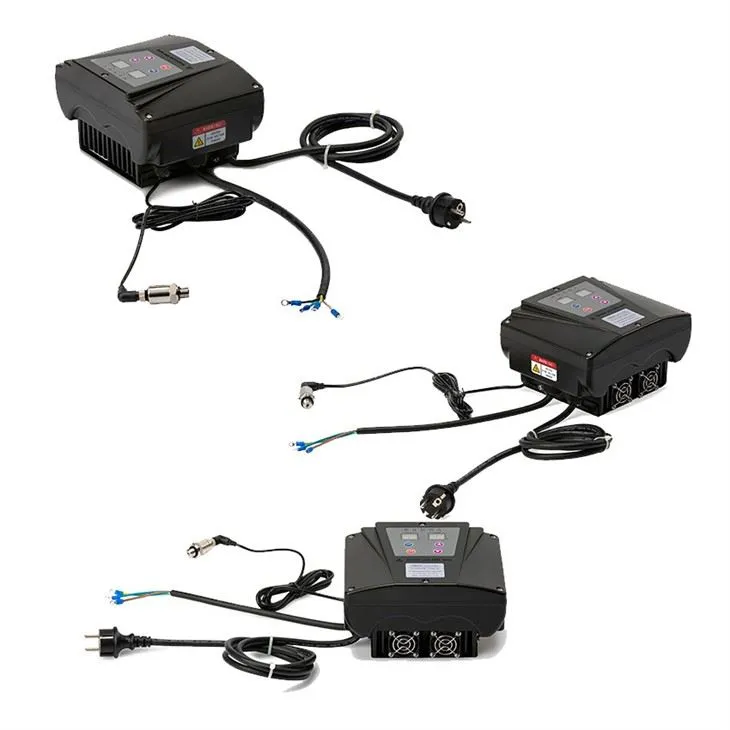

If you're in the market for a high - quality water pump frequency inverter with reliable overload protection, we encourage you to get in touch with us for a detailed discussion. Our team of experts is ready to assist you in selecting the most suitable inverter for your specific needs and configuration.
References
- Iglesias, O., & Siano, P. (2017). Optimal Control of Inverter - Driven Water Pumps: A Review. Energies, 10(11), 1769.
- Bose, B. K. (2002). Modern Power Electronics and AC Drives. Prentice Hall.
- Sen, P. C. (1997). Principles of Electric Machines and Power Electronics. Wiley.