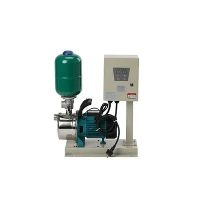
Hey there! As a supplier of Water Pump VFD Inverters, I often get asked about the installation requirements for these nifty devices. So, I thought I'd put together a blog post to share all the details you need to know. Whether you're a DIY enthusiast or a professional installer, this post will guide you through the process.
Understanding Water Pump VFD Inverters
First off, let's quickly go over what a water pump VFD inverter is. A Variable Frequency Drive (VFD) inverter is a type of motor controller that drives an electric motor by varying the frequency and voltage supplied to the motor. In the context of water pumps, it allows you to control the speed of the pump motor, which in turn controls the flow and pressure of the water. This can lead to energy savings, better system control, and longer pump life.
We offer a range of water pump VFD inverters, including the Constant Pressure Pump VSD Inverter, Variable Frequency Pump Converter for Home Use, and New Three-phase Water Pump Inverter. These inverters are designed to meet different needs and applications, so you can find the one that's right for you.
Installation Requirements
1. Electrical Requirements
- Power Supply: The first thing you need to consider is the power supply. Make sure the power supply voltage and frequency match the specifications of the VFD inverter. Most residential water pump VFD inverters are designed to work with a single-phase 220V power supply, while commercial and industrial models may require a three-phase power supply.
- Circuit Protection: Install appropriate circuit protection devices, such as fuses or circuit breakers, to protect the VFD inverter from overcurrent and short circuits. The size of the circuit protection device should be based on the rated current of the VFD inverter.
- Grounding: Proper grounding is essential for the safety and reliable operation of the VFD inverter. Connect the grounding terminal of the VFD inverter to a good earth ground using a suitable grounding conductor.
2. Environmental Requirements
- Temperature and Humidity: VFD inverters are sensitive to temperature and humidity. They should be installed in an environment with a temperature range of 0°C to 40°C (32°F to 104°F) and a relative humidity range of 5% to 95% (non-condensing). Avoid installing the VFD inverter in areas where it may be exposed to direct sunlight, excessive moisture, or temperature extremes.
- Ventilation: Good ventilation is crucial to prevent the VFD inverter from overheating. Make sure there is enough space around the VFD inverter for proper air circulation. If possible, install the VFD inverter in a well-ventilated enclosure or cabinet.
- Dust and Contamination: Keep the VFD inverter away from dusty, dirty, or corrosive environments. Dust and contaminants can accumulate on the VFD inverter's components and cause malfunctions or damage. If the installation environment is particularly dirty, consider using a filtered enclosure or cabinet.
3. Mounting Requirements
- Mounting Location: Choose a suitable mounting location for the VFD inverter. It should be easily accessible for installation, maintenance, and troubleshooting. Avoid mounting the VFD inverter near sources of heat, vibration, or electromagnetic interference (EMI).
- Mounting Orientation: Mount the VFD inverter in the vertical orientation as specified in the installation manual. This ensures proper ventilation and heat dissipation. Do not mount the VFD inverter horizontally or upside down.
- Mounting Hardware: Use the appropriate mounting hardware to secure the VFD inverter to the mounting surface. Make sure the mounting surface is flat, rigid, and capable of supporting the weight of the VFD inverter.
4. Wiring Requirements
- Power Wiring: Connect the power supply wires to the VFD inverter's input terminals according to the wiring diagram provided in the installation manual. Use the correct wire size and type to ensure proper electrical conductivity and to prevent overheating.
- Motor Wiring: Connect the motor wires to the VFD inverter's output terminals. Make sure the motor wiring is correct and that the motor is compatible with the VFD inverter. Incorrect motor wiring can cause the motor to run incorrectly or even damage the VFD inverter.
- Control Wiring: Connect the control wires to the VFD inverter's control terminals. These wires are used to control the operation of the VFD inverter, such as starting and stopping the motor, adjusting the speed, and monitoring the system. Make sure the control wiring is properly insulated and protected from EMI.
Installation Steps
Now that we've covered the installation requirements, let's go through the general installation steps:
- Read the Installation Manual: Before you start the installation, carefully read the installation manual provided with the VFD inverter. This will give you detailed instructions on how to install and configure the VFD inverter.
- Prepare the Installation Site: Make sure the installation site meets the electrical, environmental, mounting, and wiring requirements discussed above. Clean the mounting surface and ensure there is enough space for the VFD inverter and its associated wiring.
- Mount the VFD Inverter: Use the appropriate mounting hardware to mount the VFD inverter to the mounting surface. Make sure the VFD inverter is securely fastened and level.
- Connect the Power Wiring: Connect the power supply wires to the VFD inverter's input terminals. Make sure the wiring is correct and that the connections are tight.
- Connect the Motor Wiring: Connect the motor wires to the VFD inverter's output terminals. Make sure the wiring is correct and that the connections are tight.
- Connect the Control Wiring: Connect the control wires to the VFD inverter's control terminals. Make sure the wiring is correct and that the connections are tight.
- Configure the VFD Inverter: Follow the instructions in the installation manual to configure the VFD inverter for your specific application. This may include setting the motor parameters, speed limits, and control modes.
- Test the System: Once the installation and configuration are complete, test the system to make sure the VFD inverter is working properly. Start the motor and check the speed and pressure of the water pump. Make any necessary adjustments to the VFD inverter's settings.
Troubleshooting Tips
If you encounter any problems during the installation or operation of the VFD inverter, here are some troubleshooting tips:
- Check the Power Supply: Make sure the power supply is connected correctly and that the voltage and frequency are within the specifications of the VFD inverter.
- Check the Wiring: Make sure all the wiring connections are tight and that there are no loose or damaged wires.
- Check the Motor: Make sure the motor is compatible with the VFD inverter and that it is running correctly.
- Check the Configuration: Make sure the VFD inverter is configured correctly for your specific application. Refer to the installation manual for detailed instructions.
- Contact Technical Support: If you are unable to resolve the problem, contact our technical support team for assistance. We have a team of experienced technicians who can help you troubleshoot and resolve any issues you may encounter.
Conclusion
Installing a water pump VFD inverter is not a difficult task, but it does require some knowledge and attention to detail. By following the installation requirements and steps outlined in this blog post, you can ensure a successful installation and reliable operation of your water pump VFD inverter.


If you're interested in purchasing a water pump VFD inverter or have any questions about installation or operation, please don't hesitate to contact us. We're here to help you find the right solution for your needs and to provide you with the support and service you deserve.
References
- Manufacturer's installation manuals for water pump VFD inverters
- Electrical codes and standards for installation of electrical equipment