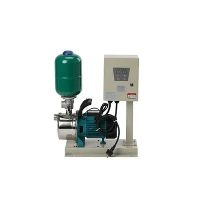
Fluid viscosity plays a crucial role in the performance and operation of Variable Frequency Drive (VFD) pumps. As a supplier of [Variable Frequency Drive Pumps], I have witnessed firsthand the various effects that fluid viscosity can have on these pumps. In this blog post, I will delve into the details of how fluid viscosity impacts VFD pumps, including its effects on pump performance, energy consumption, and maintenance requirements.
Understanding Fluid Viscosity
Before we explore the effects of fluid viscosity on VFD pumps, it's important to understand what viscosity is. Viscosity is a measure of a fluid's resistance to flow. A fluid with high viscosity, such as honey, flows slowly and is thick, while a fluid with low viscosity, such as water, flows easily and is thin. Viscosity is affected by factors such as temperature, pressure, and the chemical composition of the fluid.
Effects on Pump Performance
One of the most significant effects of fluid viscosity on a VFD pump is its impact on pump performance. As the viscosity of the fluid increases, the pump has to work harder to move the fluid through the system. This can lead to a decrease in the pump's flow rate and head.
- Flow Rate: The flow rate of a pump is the volume of fluid that it can move per unit of time. When the fluid viscosity is high, the pump has to overcome greater resistance to move the fluid, which reduces the flow rate. For example, a VFD pump that can deliver 100 gallons per minute (GPM) of water may only be able to deliver 50 GPM of a highly viscous oil.
- Head: The head of a pump is the height to which it can lift the fluid. High - viscosity fluids require more energy to be lifted, so the pump's head is reduced. This means that the pump may not be able to reach the same vertical height or overcome the same pressure in the system when pumping a viscous fluid compared to a less viscous one.
The performance curves of a VFD pump are typically based on water as the pumped fluid. When pumping a viscous fluid, these curves need to be adjusted. The pump may need to be oversized or operated at a higher speed to achieve the desired flow rate and head. However, operating the pump at a higher speed can also lead to other issues, such as increased energy consumption and wear on the pump components.


Energy Consumption
Fluid viscosity also has a direct impact on the energy consumption of a VFD pump. As the pump has to work harder to move the viscous fluid, it requires more power. This increase in power consumption can have significant cost implications for the end - user.
- Power Requirements: The power required by a pump is proportional to the flow rate, head, and the density of the fluid. When the fluid viscosity increases, the pump's efficiency decreases, and more power is needed to maintain the same flow rate and head. For instance, a pump that consumes 10 kilowatts (kW) of power when pumping water may consume 15 kW or more when pumping a viscous fluid.
- Variable Frequency Drive Operation: VFDs are designed to adjust the pump's speed according to the system's demand. However, when pumping a viscous fluid, the VFD may need to operate the pump at a higher frequency to maintain the required flow rate. This can lead to increased energy consumption, especially if the pump is operating for long periods.
End - users should be aware of the potential increase in energy costs when using a VFD pump to handle viscous fluids. They may need to consider energy - efficient pump designs or alternative pumping solutions to mitigate these costs.
Maintenance Requirements
The viscosity of the fluid being pumped can also affect the maintenance requirements of a VFD pump. High - viscosity fluids can cause more wear and tear on the pump components, leading to more frequent maintenance and a shorter lifespan of the pump.
- Wear on Impellers and Seals: The impeller is the rotating part of the pump that imparts energy to the fluid. When pumping a viscous fluid, the impeller has to work harder, which can cause increased wear on its blades. Similarly, the seals in the pump are also subjected to more stress, as they have to prevent the leakage of the viscous fluid. This can lead to premature failure of the seals and require more frequent replacement.
- Clogging and Fouling: Viscous fluids are more likely to cause clogging and fouling in the pump and the piping system. Particles and debris in the fluid are more likely to stick to the pump components and the walls of the pipes, reducing the flow area and increasing the resistance to flow. This can lead to reduced pump performance and may require regular cleaning of the pump and the system.
Regular maintenance, including inspection of the impellers, seals, and pipes, is essential when using a VFD pump to handle viscous fluids. End - users may also need to use filtration systems to remove particles from the fluid and prevent clogging.
Selecting the Right VFD Pump for Viscous Fluids
As a supplier of [Variable Frequency Drive Pumps], I often assist customers in selecting the right pump for their specific applications, especially when dealing with viscous fluids.
- Pump Design: Some pump designs are better suited for handling viscous fluids than others. For example, positive displacement pumps, such as gear pumps and screw pumps, are often more effective at pumping viscous fluids than centrifugal pumps. However, VFD - controlled centrifugal pumps can also be used with appropriate adjustments.
- VFD Settings: The VFD settings need to be adjusted to account for the increased load when pumping viscous fluids. This may include increasing the maximum speed, adjusting the acceleration and deceleration times, and setting appropriate torque limits.
When choosing a VFD pump for a viscous fluid application, it's important to consider the fluid's viscosity, the required flow rate and head, and the operating conditions of the system.
Conclusion
In conclusion, fluid viscosity has a significant impact on the performance, energy consumption, and maintenance requirements of Variable Frequency Drive pumps. As a supplier, I understand the challenges that end - users face when dealing with viscous fluids and am committed to providing them with the right solutions.
If you are in the market for a Frequency Drive Constant Pressure Water Pump, Variable Frequency Drive Water Pump, or a 60HZ Frequency Conversion Water Pump for your viscous fluid application, we can help. Our team of experts can assist you in selecting the right pump, adjusting the VFD settings, and providing ongoing support to ensure optimal performance.
Contact us today to discuss your specific requirements and let us help you find the best pumping solution for your needs.
References
- "Pump Handbook" by Igor J. Karassik et al.
- "Fluid Mechanics" by Frank M. White.