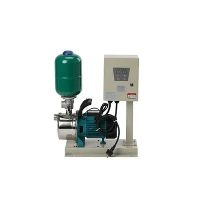
Hey there! As a supplier of 24V DC water pump switches, I've seen my fair share of issues with these nifty little devices. In this blog post, I'm gonna walk you through how to troubleshoot a 24V DC water pump switch. Whether you're a DIY enthusiast or a professional plumber, these tips should come in handy.
1. Check the Power Supply
The first thing you gotta do when troubleshooting any electrical device is to check the power supply. For a 24V DC water pump switch, this means making sure that the power source is providing the correct voltage. You can use a multimeter to measure the voltage at the power terminals of the switch. If the voltage is too low or too high, it could cause the switch to malfunction.
If the voltage is incorrect, check the power source. It could be a faulty battery, a loose connection, or a problem with the power adapter. Make sure all the connections are tight and there are no signs of damage. If you're using a battery, check its charge level and replace it if necessary.
2. Inspect the Wiring
Next, take a close look at the wiring. Loose, damaged, or corroded wires can cause all sorts of problems with the switch. Check for any frayed wires, broken connections, or signs of overheating. If you find any issues, repair or replace the wiring as needed.
Make sure the wires are properly connected to the switch terminals. Sometimes, a loose wire can cause intermittent problems, where the switch works sometimes but not others. Tighten all the connections and ensure that the wires are securely fastened.


3. Test the Switch Functionality
Once you've checked the power supply and wiring, it's time to test the switch itself. You can do this by using a continuity tester or a multimeter set to the continuity mode. Disconnect the switch from the power source and the pump, and then test the continuity between the terminals.
If the switch is working properly, you should get a reading indicating continuity when the switch is closed and no continuity when it's open. If you don't get the expected readings, the switch may be faulty and need to be replaced.
4. Check the Pressure Settings
Most 24V DC water pump switches are pressure-activated. This means that they turn the pump on and off based on the water pressure in the system. If the pressure settings are incorrect, the switch may not function properly.
Refer to the manufacturer's instructions to find out the correct pressure settings for your switch. You can use a pressure gauge to measure the water pressure in the system. Adjust the pressure settings on the switch as needed to ensure that it turns the pump on and off at the right pressure levels.
5. Look for Mechanical Issues
In some cases, the problem with the switch may be mechanical. For example, the diaphragm or the spring inside the switch could be damaged or worn out. Check for any signs of physical damage to the switch, such as cracks or leaks.
If you suspect a mechanical issue, you may need to disassemble the switch and inspect its internal components. However, be careful when doing this, as some switches are designed to be sealed and opening them could void the warranty. If you're not comfortable working on the switch yourself, it's best to contact a professional.
6. Consider External Factors
Sometimes, the problem with the water pump switch may not be with the switch itself but with external factors. For example, a clogged filter or a blockage in the water pipes can cause the water pressure to fluctuate, which can affect the switch's performance.
Check the water filter and clean or replace it if necessary. Inspect the water pipes for any blockages or restrictions. Make sure the water flow is unrestricted and the pressure is consistent throughout the system.
7. Seek Professional Help
If you've tried all the above steps and still can't figure out what's wrong with the switch, it may be time to seek professional help. A qualified electrician or plumber will have the tools and expertise to diagnose and fix the problem.
When choosing a professional, make sure they have experience working with 24V DC water pump switches. Ask for references and check their credentials to ensure that you're getting a reliable service.
Related Products
If you're in the market for a new water pump switch or related products, we offer a range of high-quality options. Check out our Household Water Pump Controller, 110V Water Pump Electronic Pressure Switch, and Water Pump Pressure Controller with CE TUV Certificate. These products are designed to provide reliable performance and are backed by our excellent customer service.
Conclusion
Troubleshooting a 24V DC water pump switch can be a bit tricky, but by following these steps, you should be able to identify and fix most common problems. Remember to always prioritize safety when working with electrical devices. If you're unsure about anything, don't hesitate to seek professional help.
If you have any questions or need further assistance with your 24V DC water pump switch, feel free to reach out. We're here to help you find the right solutions for your water pumping needs. Whether you're looking to purchase a new switch or need advice on troubleshooting, we're just a message away. Contact us today to start the conversation and explore how we can meet your requirements.
References
- Manufacturer's manuals for 24V DC water pump switches
- Electrical and plumbing textbooks
- Online resources on water pump systems and troubleshooting