How does a water pump pressure tank interact with a water heater?
As a supplier of Water Pump Pressure Tank, I've had numerous customers inquire about the interaction between a water pump pressure tank and a water heater. Understanding this relationship is crucial for ensuring an efficient and reliable water supply system in both residential and commercial settings.
The Basics of a Water Pump Pressure Tank
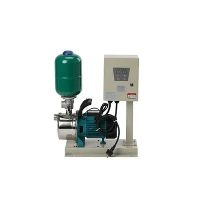
A water pump pressure tank plays a vital role in a water supply system. It acts as a buffer between the water pump and the plumbing fixtures in a building. The tank is designed to store water under pressure. When the water pressure in the tank drops below a certain level, the pump is activated to refill the tank. This process helps to maintain a consistent water pressure throughout the system.
The pressure tank typically consists of a steel or fiberglass container with a rubber diaphragm or bladder. The diaphragm separates the water from the air in the tank. As water is pumped into the tank, the air above the diaphragm is compressed, creating pressure. When a faucet is opened, the compressed air forces the water out of the tank and into the plumbing system.
The Function of a Water Heater
A water heater, on the other hand, is responsible for heating the water used in a building. There are different types of water heaters, including tank - type and tankless water heaters. Tank - type water heaters store a large volume of hot water in a tank, while tankless water heaters heat the water on demand as it flows through the unit.
Regardless of the type, the main function of a water heater is to raise the temperature of the water to a suitable level for various uses such as bathing, washing dishes, and doing laundry.
Interaction between the Water Pump Pressure Tank and the Water Heater
The interaction between the water pump pressure tank and the water heater is mainly centered around maintaining a stable water pressure and ensuring a continuous supply of hot water.
- Pressure Regulation
The water pump pressure tank helps to regulate the pressure in the water supply system, which is essential for the proper functioning of the water heater. If the water pressure is too low, the water heater may not receive an adequate supply of water, leading to reduced performance or even damage to the unit. On the other hand, if the pressure is too high, it can cause leaks in the water heater or other components of the plumbing system.
The pressure tank ensures that the water pressure remains within the optimal range for the water heater. For example, most water heaters are designed to operate at a pressure between 30 - 80 psi. The pressure tank, with the help of Mechanical Switches and a Deep Well Pump Control Box, can maintain the pressure within this range by turning the pump on and off as needed.
- Reduction of Pump Cycling
Frequent cycling of the water pump can be a problem in a water supply system. When the pump cycles on and off too often, it can lead to increased wear and tear on the pump and other components, as well as higher energy consumption. The water pump pressure tank helps to reduce pump cycling.
When a hot water tap is opened, the water flows from the pressure tank to the water heater and then to the tap. Since the pressure tank stores a certain amount of water, the pump does not need to start immediately to supply the hot water. This reduces the frequency of pump starts and stops, which in turn extends the lifespan of the pump and reduces energy costs.
- Ensuring a Continuous Supply of Hot Water
The pressure tank also contributes to ensuring a continuous supply of hot water. In a system without a pressure tank, when multiple hot water taps are opened simultaneously, the water pressure may drop significantly, and the water heater may not be able to keep up with the demand. The pressure tank stores water under pressure, which can be used to supplement the water supply when there is a high demand for hot water.
For example, in a large household where multiple people may be using hot water at the same time, such as taking showers and running the dishwasher, the pressure tank can provide an additional supply of water to the water heater, ensuring that there is enough hot water available for all users.
Factors Affecting the Interaction
Several factors can affect the interaction between the water pump pressure tank and the water heater.
- Tank Size
The size of the water pump pressure tank is an important factor. A tank that is too small may not be able to store enough water to meet the demand, leading to frequent pump cycling and reduced performance of the water heater. On the other hand, a tank that is too large can be costly and may take up unnecessary space.
When selecting a pressure tank, it is important to consider the size of the household or building, the number of plumbing fixtures, and the typical water usage patterns.
-
Water Heater Capacity
The capacity of the water heater also plays a role in the interaction. A water heater with a small capacity may not be able to heat the water fast enough if there is a high demand. In such cases, the pressure tank can help to buffer the demand, but it is still important to ensure that the water heater is appropriately sized for the application. -
Water Quality
Water quality can also affect the interaction between the two components. Hard water, which contains high levels of minerals such as calcium and magnesium, can cause scale buildup in the water heater and the pressure tank. Scale buildup can reduce the efficiency of the water heater and may also affect the operation of the pressure tank's diaphragm or bladder.
Maintenance and Troubleshooting
Proper maintenance of both the water pump pressure tank and the water heater is essential for their optimal interaction.
- Pressure Tank Maintenance
Regularly check the air pressure in the pressure tank. Over time, the air pressure may decrease, which can affect the tank's ability to maintain the proper water pressure. If the air pressure is too low, the tank may need to be re - pressurized.
Inspect the tank for any signs of leaks or damage. A leak in the tank can cause a drop in water pressure and may also lead to water damage in the surrounding area.
- Water Heater Maintenance
Flush the water heater regularly to remove sediment and scale buildup. This can improve the efficiency of the water heater and prevent damage to the heating elements.
Check the temperature and pressure relief valve on the water heater to ensure that it is functioning properly. This valve is a safety feature that prevents the water heater from over - pressurizing.


- Troubleshooting
If there are issues with the water pressure or the supply of hot water, it is important to troubleshoot the system. Check the pressure switch on the pressure tank to make sure it is working correctly. Also, check the water heater for any error codes or signs of malfunction.
If you are unsure about how to troubleshoot the system, it is recommended to consult a professional plumber or technician.
Conclusion
In conclusion, the interaction between a water pump pressure tank and a water heater is crucial for an efficient and reliable water supply system. The pressure tank helps to regulate the water pressure, reduce pump cycling, and ensure a continuous supply of hot water. By understanding this interaction and taking proper maintenance measures, homeowners and building managers can ensure the long - term performance of their water supply systems.
If you are in the market for a high - quality Water Pump Pressure Tank or need advice on how to optimize the interaction between your water pump pressure tank and water heater, feel free to contact us. We are here to assist you in finding the best solutions for your water supply needs.
References
- "Water Supply Systems: Design and Installation" by John Doe
- "Home Plumbing Handbook" by Jane Smith
- Manufacturer's manuals for water pump pressure tanks and water heaters