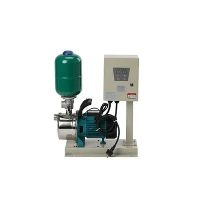
In the world of water systems, booster pumps play a crucial role in enhancing water pressure and flow, especially in situations where the natural water pressure is insufficient. On the other hand, automatic pump pressure switches are designed to control the operation of pumps based on the water pressure in the system. As a leading supplier of Automatic Pump Pressure Switches, I often receive inquiries about whether these switches can be used with booster pumps. In this blog post, I will delve into this topic, exploring the compatibility, benefits, and considerations of using an automatic pump pressure switch with a booster pump.
Understanding Booster Pumps and Automatic Pump Pressure Switches
Booster Pumps
Booster pumps are mechanical devices used to increase the pressure and flow rate of water in a system. They are commonly used in residential, commercial, and industrial settings to ensure adequate water pressure for various applications, such as showering, watering gardens, or operating industrial equipment. Booster pumps work by taking in water at a lower pressure and increasing its pressure before discharging it into the system.
Automatic Pump Pressure Switches
Automatic pump pressure switches are electrical devices that monitor the water pressure in a system and automatically turn the pump on and off based on pre-set pressure levels. When the water pressure drops below the set minimum pressure (cut-in pressure), the switch closes the electrical circuit, activating the pump. As the water pressure rises to the set maximum pressure (cut-out pressure), the switch opens the circuit, stopping the pump. This automatic operation helps maintain a consistent water pressure in the system and prevents the pump from running continuously, which can lead to premature wear and energy waste.
Compatibility of Automatic Pump Pressure Switches with Booster Pumps
The short answer is yes, an automatic pump pressure switch can be used with a booster pump. In fact, using a pressure switch with a booster pump offers several advantages:
Energy Efficiency
By automatically turning the booster pump on and off based on the water pressure, the pressure switch helps reduce energy consumption. The pump only runs when needed, which can result in significant energy savings over time.
Protection for the Pump
Continuous operation of a booster pump can cause overheating and premature wear. The pressure switch prevents the pump from running continuously by shutting it off when the desired pressure is reached. This helps extend the lifespan of the pump and reduces the need for costly repairs or replacements.
Consistent Water Pressure
A pressure switch ensures that the water pressure in the system remains within a set range. This provides a more consistent water flow for various applications, such as showers, faucets, and appliances, improving the overall user experience.
Considerations When Using an Automatic Pump Pressure Switch with a Booster Pump
While using an automatic pump pressure switch with a booster pump is generally a good idea, there are some considerations to keep in mind:
Pressure Ratings
It is essential to select a pressure switch with pressure ratings that are compatible with the booster pump. The cut-in and cut-out pressures of the switch should be set within the operating range of the pump to ensure proper operation. If the pressure switch is not rated for the pressure levels of the booster pump, it may not function correctly or could even be damaged.
Pump Capacity
The capacity of the booster pump should also be considered when selecting a pressure switch. A pump with a higher flow rate may require a pressure switch with a higher amperage rating to handle the electrical load. Using a pressure switch with an insufficient amperage rating can lead to overheating and failure of the switch.
System Requirements
The specific requirements of the water system, such as the size of the pipes, the number of fixtures, and the distance the water needs to be pumped, can also affect the performance of the pressure switch and the booster pump. It is important to consult with a professional or refer to the manufacturer's guidelines to ensure that the pressure switch and the booster pump are properly sized and configured for the system.
Types of Automatic Pump Pressure Switches for Booster Pumps
There are several types of automatic pump pressure switches available for use with booster pumps, each with its own features and benefits:
Household Water Pump Controller
Designed for residential applications, household water pump controllers are typically compact and easy to install. They offer basic pressure control functions and are suitable for small to medium-sized water systems.
Wide Voltage Water Pump Controller
Wide voltage water pump controllers are designed to operate over a wide range of input voltages, making them suitable for use in areas with unstable power supplies. They provide reliable pressure control and can help protect the pump from damage caused by voltage fluctuations.
24V DC Water Pump Switch
24V DC water pump switches are commonly used with low-voltage pumps, such as those powered by solar panels or batteries. They offer a safe and efficient way to control the operation of these pumps and are often used in off-grid or remote applications.
Installation and Maintenance
Proper installation and maintenance of the automatic pump pressure switch and the booster pump are essential for optimal performance and longevity. Here are some general guidelines:


Installation
- Follow the manufacturer's instructions carefully when installing the pressure switch and the booster pump.
- Ensure that the pressure switch is installed in a dry, accessible location and is properly grounded.
- Connect the pressure switch to the pump and the power supply using the appropriate wiring and connectors.
- Set the cut-in and cut-out pressures of the switch according to the requirements of the system.
Maintenance
- Regularly inspect the pressure switch and the booster pump for any signs of damage or wear.
- Check the pressure settings of the switch periodically to ensure that they are still within the desired range.
- Clean the pressure switch and the pump as needed to prevent the accumulation of dirt and debris.
- Replace any worn or damaged parts promptly to avoid further problems.
Conclusion
In conclusion, an automatic pump pressure switch can be effectively used with a booster pump to enhance energy efficiency, protect the pump, and maintain a consistent water pressure in the system. However, it is important to select the right pressure switch based on the pump's pressure ratings, capacity, and the specific requirements of the water system. Proper installation and maintenance are also crucial for ensuring the optimal performance and longevity of the pressure switch and the booster pump.
If you are considering using an automatic pump pressure switch with a booster pump or have any questions about our products, please feel free to contact us. Our team of experts is ready to assist you in finding the right solution for your water system needs. We look forward to the opportunity to discuss your requirements and help you make an informed decision.
References
- "Pump Handbook," by Igor J. Karassik et al.
- Manufacturer's manuals for automatic pump pressure switches and booster pumps.